The Philosopher
Yuquan Shenxiu
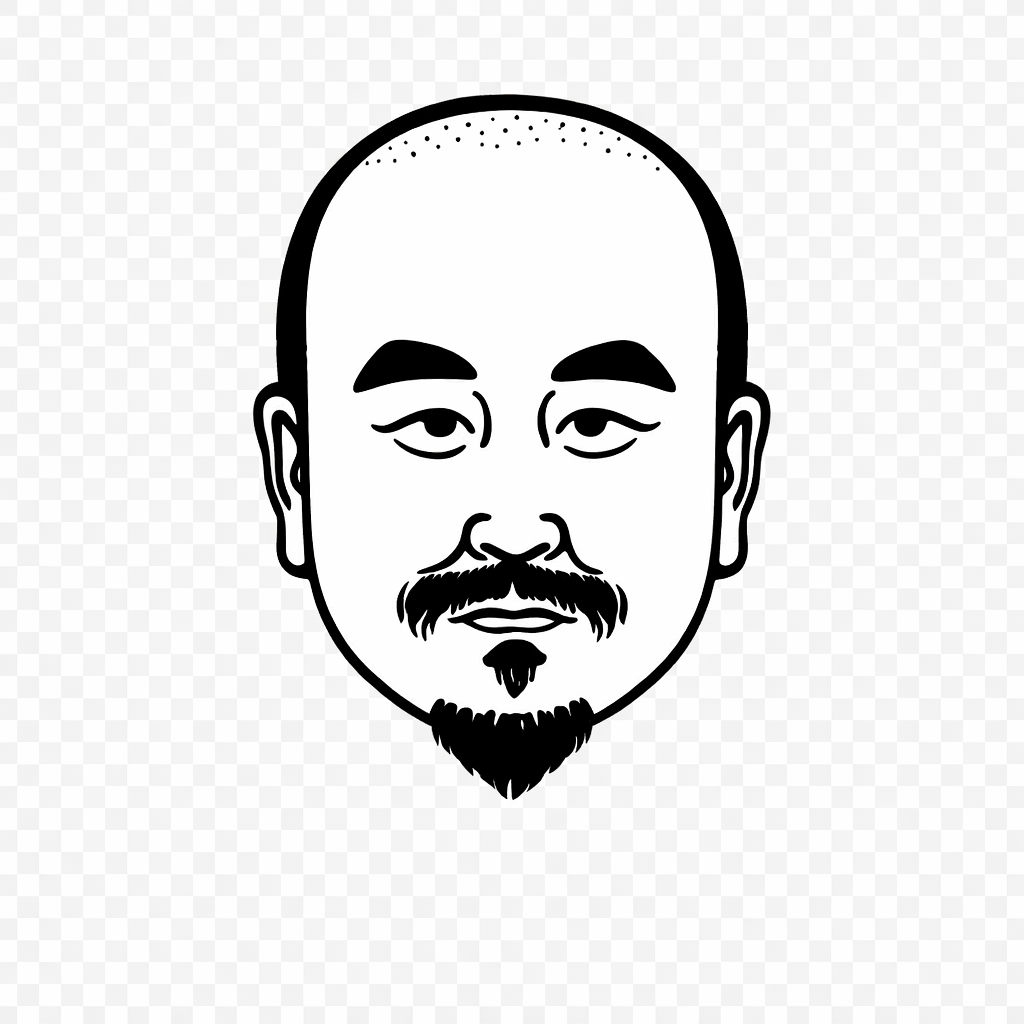
The face
The background
- Nationality:
- Chinese
- Schools:
- East Mountain Teaching
- Branchs:
- Chan Buddhism, East Mountain Teaching
- Period:
- Tang dynasty
The synopsis
Yuquan Shenxiu (606?–706) was a significant figure in Chinese Chan Buddhism, recognized as a Patriarch of the East Mountain Teaching. He was a direct successor to Daman Hongren and received imperial favor from Empress Wu Zetian. Educated in classics and Taoism, he embraced Buddhism at thirteen. After taking full monastic precepts in 625, he studied Vinaya, meditation, and wisdom for about six years under Hongren. Around 665–668, Shenxiu was exiled but returned to public notice between 676 and 679, eventually residing at Jade Spring Monastery and later the Monastery of the Six Perfections. In 701, he was invited to the capital by Empress Wu Zetian, where he was received with great reverence. Shenxiu traveled between Luoyang and Chang'an, preaching the Dharma, before dying in 706. He was posthumously granted the title 'Greatly Penetrating Dhyāna Master' by Emperor Zhongzong. Though later labeled as part of the 'Northern School' by Shenhui, accused of gradualism, Shenxiu emphasized the contemplation of mind and the integration of religious practice into daily activities. His teachings, particularly those found in the Guanxin Lun, suggest an immediate path to enlightenment.
The works
Guan Xin Lun