The Philosopher
William Whewell
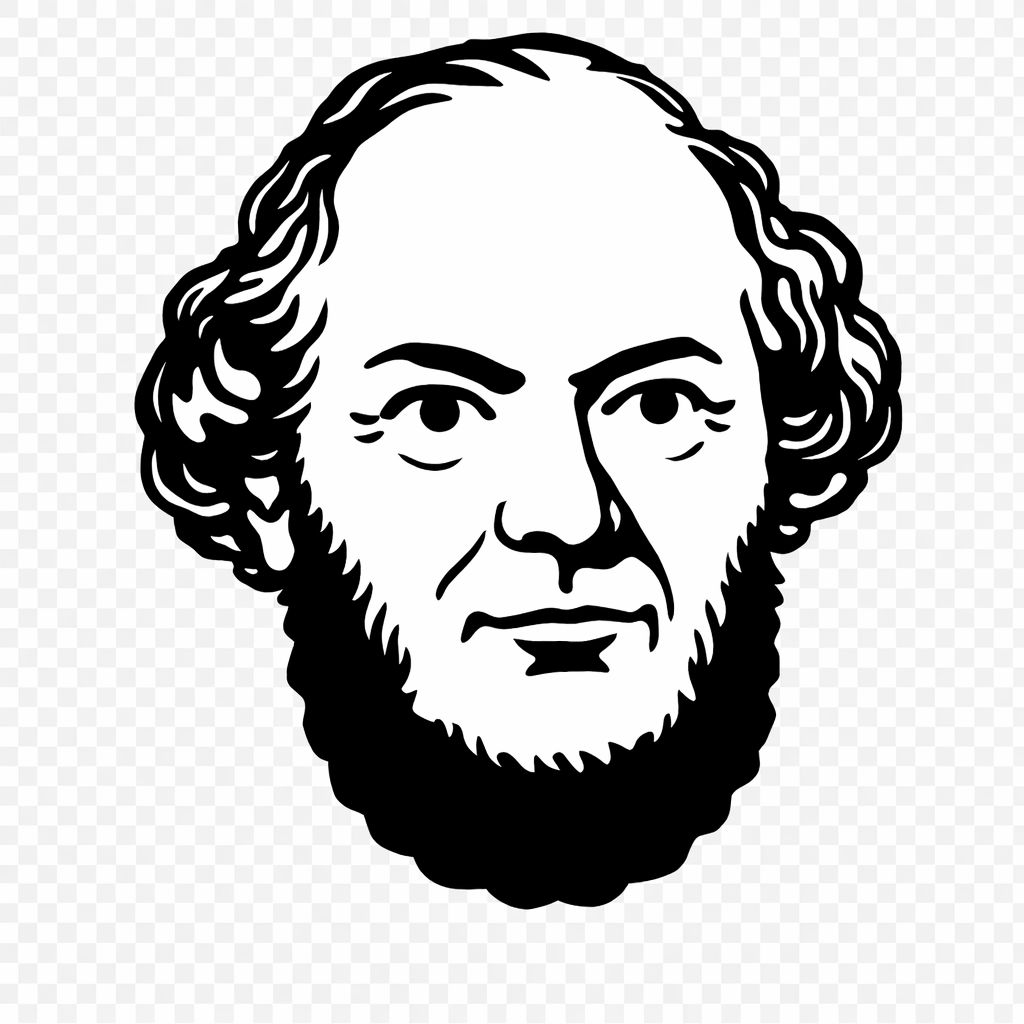
The face
The background
- Nationality:
- English
- Schools:
- English empiricism
- Branchs:
- Mathematics, Philosophy, Science, Theology, Mechanics, Physics, Geology, Astronomy, Economics, Poetry, Mineralogy, Moral theology, Casuistical divinity, History of Science, Architecture, International law
- Period:
- 19th-century
The synopsis
The works
Architectural Notes on German Churches
Astronomy and General Physics considered with reference to Natural Theology
History of the Inductive Sciences, from the Earliest to the Present Times
The Philosophy of the Inductive Sciences, founded upon their history
The Elements of Morality, including polity
Of the Plurality of Worlds
Hugonis Grotii de jure belli ac pacis libri tres
The quotes
Every failure is a step to success.
It is a test of true theories not only to account for but to predict phenomena.
Hence no force, however great, can stretch a cord, however fine, into a horizontal line which is accurately straight: there will always be a bending downwards.
We cannot observe external things without some degree of Thought; nor can we reflect upon our Thoughts, without being influenced in the course of our reflection by the Things which we have observed.
Fundamental ideas are not a consequence of experience, but a result of the particular constitution and activity of the mind, which is independent of all experience in its origin, though constantly combined with experience in its exercise.
The system becomes more coherent as it is further extended. The elements which we require for explaining a new class of facts are already contained in our system. In false theories, the contrary is the case.