The Philosopher
William Temple
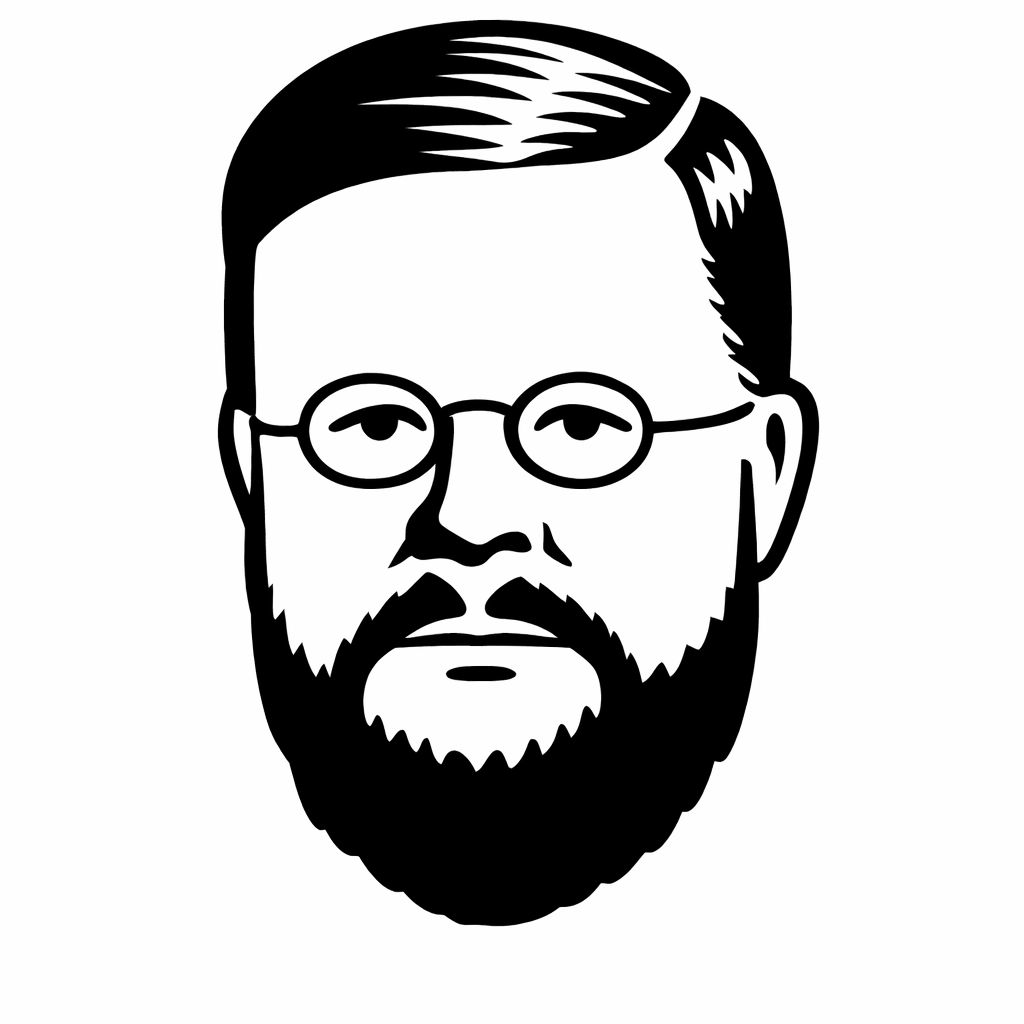
The face
The background
- Nationality:
- English
- Schools:
- Neo-Hegelian idealism
- Branchs:
- Philosophy, Theology, social justice, Ecumenism
- Period:
- 20th century
The synopsis
William Temple (15 October 1881 – 26 October 1944) was an English Anglican priest who served as Bishop of Manchester (1921–1929), Archbishop of York (1929–1942) and Archbishop of Canterbury (1942–1944). The son of an Archbishop of Canterbury, Temple had a traditional education after which he was briefly a lecturer at the University of Oxford before becoming headmaster of Repton School from 1910 to 1914. After serving as a parish priest in London from 1914 to 1917 and as a canon of Westminster Abbey, he was appointed Bishop of Manchester in 1921. He worked for improved social conditions for workers and for closer ties with other Christian churches. Despite being a socialist, he was nominated by the Conservative government for the archbishopric of York in 1928 and took office the following year. In 1942 he was translated to the see of Canterbury, and died in post after two and a half years, aged 63. Temple was admired and respected for his scholarly writing, his inspirational teaching and preaching, for his constant concern for those in need or under persecution, and for his willingness to stand up on their behalf to governments at home and abroad.
The works
The Faith and Modern Thought
The Nature of Personality
Foundations: A Statement of Christian Belief in Terms of Modern Thought: By Seven Oxford Men
The Kingdom of God
Studies In The Spirit And Truth Of Christianity: Being University And School Sermons
Church and Nation
Plato and Christianity
Mens Creatrix
Fellowship with God
Life of Bishop Percival
Christus Veritas
Personal Religion and the Life of Fellowship
Christianity and the State
Christian Faith and life
Nature, Man and God
Men Without Work
Readings in St John's Gospel
Christianity and Social Order
The Church Looks Forward
The quotes
When I pray, coincidences happen, and when I don't, they don't.
Man's wisdom is his best friend; folly his worst enemy.
Who ever converses among old books will be hard to please among the new.
The first glass is for myself, the second for my friends, the third for good humor, and the forth for my enemies.
There cannot live a more unhappy creature than an ill-natured old man, who is neither capable of receiving pleasures, nor sensible of conferring them on others.
You may keep your beauty and your health, unless you destroy them yourself, or discourage them to stay with you, by using them ill.
The best rules to form a young man, are, to talk little, to hear much, to reflect alone upon what has passed in company, to distrust one's own opinions, and value others that deserve it.
The first ingredient in conversation is truth, the next good sense, the third good humor, and the fourth wit.
The only way for a rich man to be healthy is by exercise and abstinence, to live as if he were poor.
The problem of evil... Why does God permit it? Or, if God is omnipotent, in which case permission and creation are the same, why did God create it?
I have always looked upon alchemy in natural philosophy to be like enthusiasm in divinity, and to have troubled the world much to the same purpose.
Books, like proverbs, receive their chief value from the stamp and esteem of ages through which they passed.
No one ever was a great poet, that applied himself much to anything else.
The most influential of all educational factors is the conversation in a child's home.
When all is done, human life is, at the greatest and the best, but like a froward child, that must be played with and humored a little to keep it quiet till it falls asleep, and then the care is over.
Our present time is indeed a criticizing and critical time, hovering between the wish, and the inability to believe. Our complaints are like arrows shot up into the air at no target: and with no purpose they only fall back upon our own heads and destroy ourselves.
Authority is by nothing so much strengthened and confirmed as by custom; for no man easily distrusts the things which he and all men have been always bred up to.