The Philosopher
Vsevolod Meyerhold
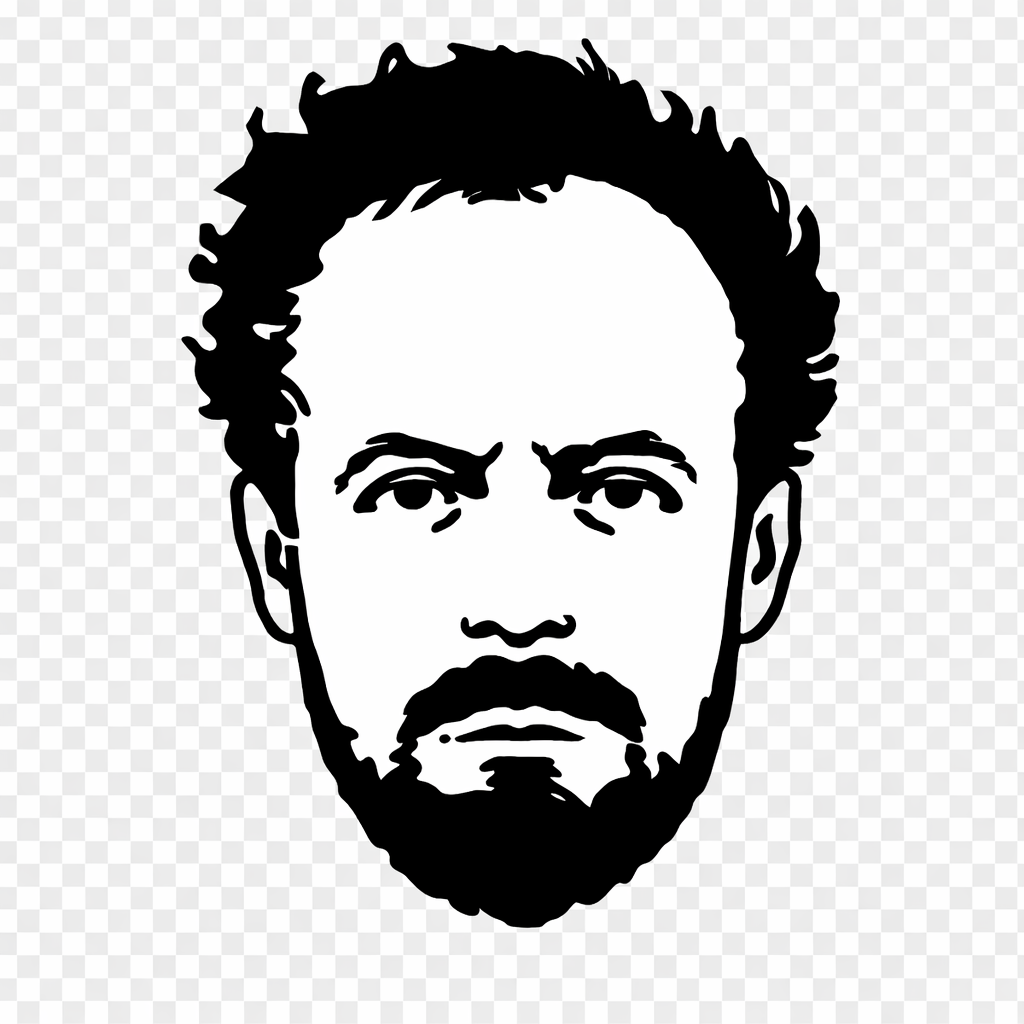
The face
The background
- Nationality:
- Russian, Soviet
The synopsis
Vsevolod Emilyevich Meyerhold (born Karl Kasimir Theodor Meyerhold; 9 February 1874 – 2 February 1940) was a Russian and Soviet theatre director, actor, and theatrical producer. His provocative experiments with physical being and symbolism in unconventional theatre settings made him a seminal figure in modern international theatre. He was known for his early experiments with Symbolism, his theoretical concept of the 'conditional theatre,' and his later embrace of constructivism and biomechanics. Meyerhold's theatrical innovations included a departure from Stanislavsky's naturalism, a focus on the actor's physical expression, and the use of non-traditional stage designs. He welcomed the Bolshevik Revolution and joined the party in 1918. He founded the Meyerhold Theatre in 1920, which became a center for avant-garde experimentation. He staged innovative productions of works by playwrights like Nikolai Erdman, Vladimir Mayakovsky, and Aleksandr Sukhovo-Kobylin. His acting technique, biomechanics, emphasized the connection between psychological and physiological processes, with actors learning gestures and movements to express emotion physically. Meyerhold influenced notable figures like Sergei Eisenstein and Dmitri Shostakovich. However, as Stalin's regime tightened control and promoted 'socialist realism,' Meyerhold's avant-garde approach was deemed 'formalist.' His theatre was closed in 1938, and he was arrested in June 1939. He was tortured, confessed to espionage under duress, and was executed by firing squad on 2 February 1940. His wife, Zinaida Reich, was murdered shortly before his execution. He was posthumously rehabilitated in 1955.
The works
On Theatre