The Philosopher
Vladimir Vernadsky
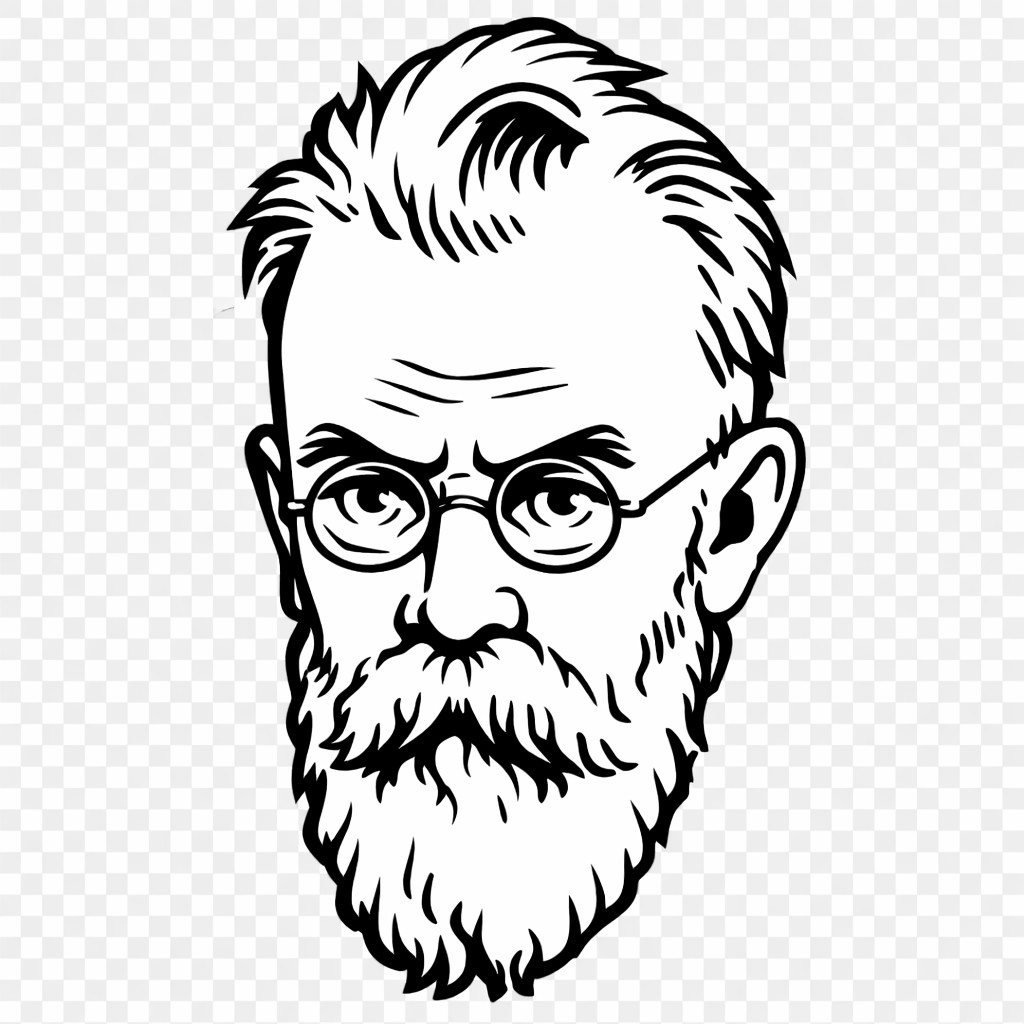
The face
The background
- Nationality:
- Russian, Ukrainian, Soviet
- Branchs:
- Geology, Crystallography, Mineralogy, Geochemistry, Radiogeology, Biology, Biogeochemistry, Philosophy
- Period:
- Late 19th to Mid-20th Century
The synopsis
Vladimir Ivanovich Vernadsky (1863–1945) was a prominent Russian, Ukrainian, and Soviet mineralogist and geochemist, celebrated as a founder of modern geochemistry, biogeochemistry, and radiogeology. Born in Saint Petersburg, Russian Empire, he was the son of an economist and a music instructor. His early education was influenced by scientific literature, which steered him from humanities to science. After graduating from Saint Petersburg State University, he pursued mineralogy and crystallography. Vernadsky's career included professorships at Moscow University, where he conducted extensive field research across Russia. A key contribution was his popularization of the concept of the noosphere, building upon Eduard Suess's idea of the biosphere. Vernadsky theorized that life itself is a powerful geological force and that human cognition represents a new stage in Earth's development. His visionary ideas, including the role of biological processes in shaping the Earth's atmosphere, were ahead of their time. He was instrumental in establishing the Ukrainian Academy of Sciences and played a role in advising on the Soviet atomic bomb project. Vernadsky's legacy is honored through numerous institutions, geographical features, and awards bearing his name, solidifying his status as a major figure in 20th-century science.
The works
Geochemistry
The Biosphere
Essays on Geochemistry & the Biosphere