The Philosopher
Vladimir Odoyevsky
The face
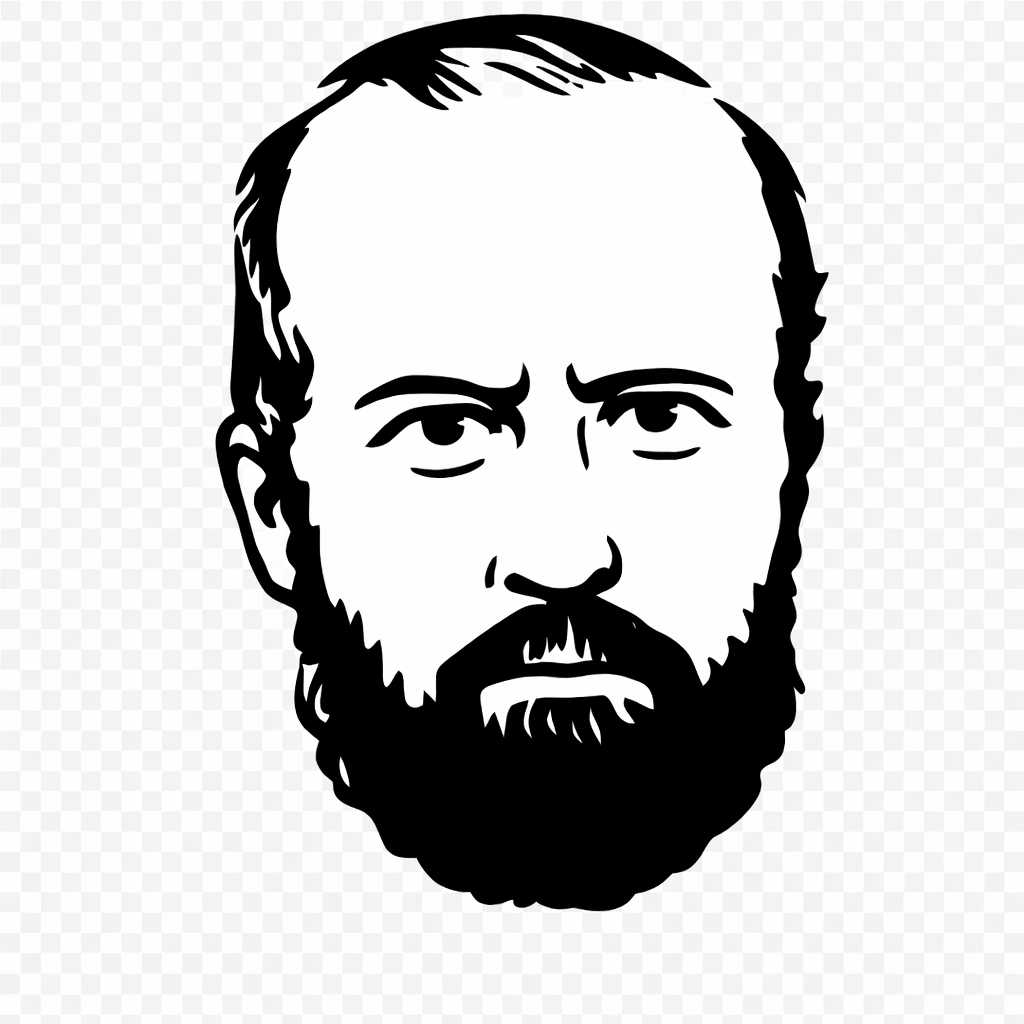
The background
- Nationality:
- Russian
- Schools:
- Lyubomudry Society
- Branchs:
- Philosophy, Literature, Music Criticism, Philanthropy, pedagogy, Technology, Electroplating
- Period:
- 19th-century
The synopsis
Prince Vladimir Fyodorovich Odoyevsky (11 August 1804 – 11 March 1869) was a prominent Russian philosopher, writer, music critic, philanthropist, and pedagogue. He is often referred to as the "Russian Hoffmann" or "Russian Faust" due to his fascination with supernatural tales and his insightful musical criticism. Odoyevsky was the last surviving member of the ancient princely House of Odoyev and held the distinction of being the most senior member of the House of Rurik. He was born in Moscow to Prince Fyodor Sergeevich Odoyevsky and Ekaterina Alekseevna Filippova. Educated at the Nobility School of Moscow University, Odoyevsky became involved in intellectual circles, notably presiding over the Lyubomudry Society in the mid-1820s, where discussions centered on German philosophy, particularly the ideas of Friedrich Schelling. Although he associated with future Slavophiles and Westernizers, he maintained his independence from these movements. Odoyevsky's career as a literary critic and journalist began in 1824 when he co-founded the short-lived Moscow literary magazine *Mnemozina* with Wilhelm Küchelbecker. In 1826, he moved to St. Petersburg and joined the staff of the Imperial Public Library. He later co-edited the influential literary journal *Sovremennik* with Alexander Pushkin in the mid-1830s and eventually took charge of the Rumyantsev Museum. He returned to Moscow in 1861, continuing his public service as a senator until his death. His literary works spanned various genres, including fantastical stories, dystopian novellas, and essays, with his collection *Russian Nights* (1844) being a notable work. Odoyevsky also contributed to technological advancements, particularly in electroplating, and was active in the development of musical institutions like the Russian Musical Society and the Moscow and St. Petersburg Conservatories. He is buried in the Donskoy monastery necropolis in Moscow.
The works
The Year 4338: Petersburg Letters
The Living Corpse
Russian Nights
Princess Mimi
Princess Zizi
The Last Suicide
The Town with No Name
Galvanism applied in technology