The Philosopher
Vladimir Lesevich
The face
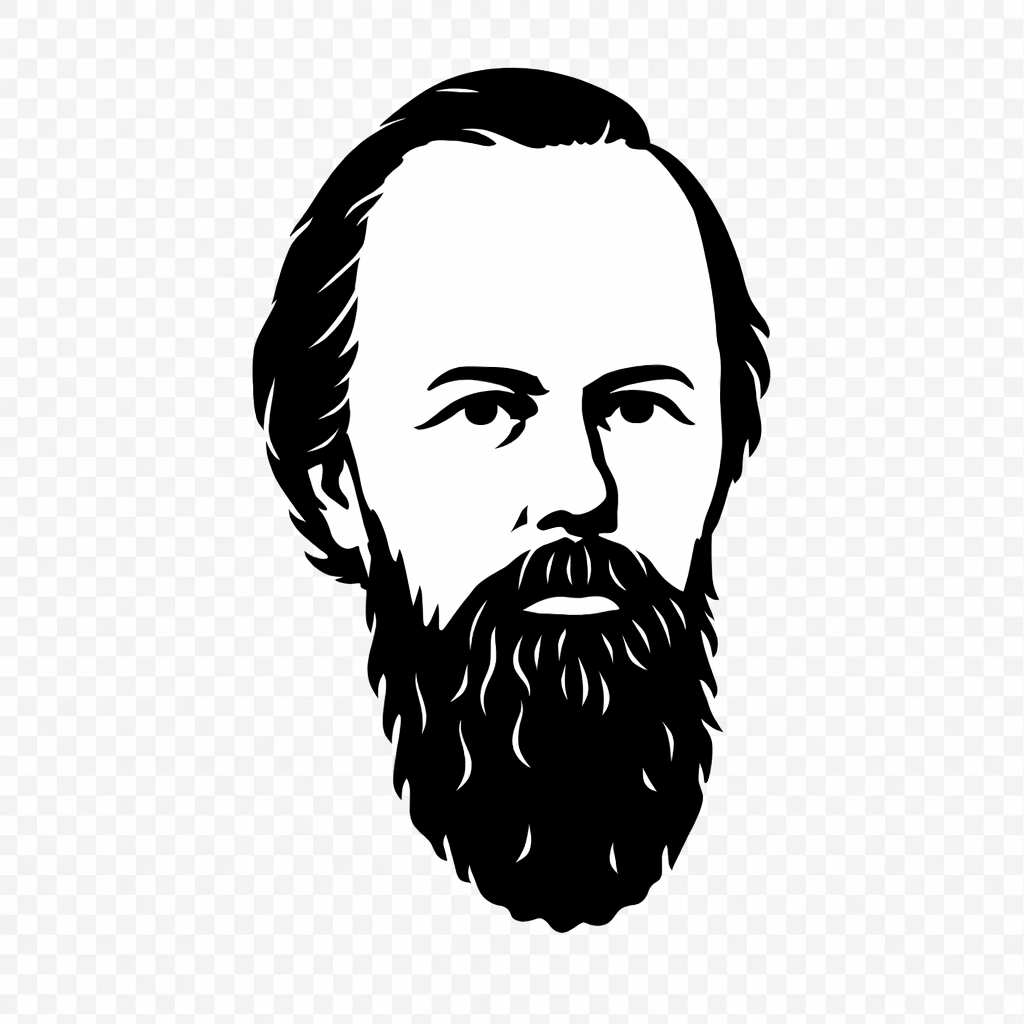
The background
- Nationality:
- Ukrainian-Russian
- Schools:
- Positivism, Empirio-criticism
- Branchs:
- Philosophy of science, Philosophy of religion, Sociology, Ethnography, Folkloristics, Literary history
- Period:
- 19th-century philosophy
The synopsis
Vladimir Viktorovich Lesevich was a notable Ukrainian-Russian philosopher, sociologist, ethnographer, folklorist, and public figure who lived from 1837 to 1905. His philosophical journey began with positivism, influenced by thinkers like Auguste Comte and Pyotr Lavrov, and later evolved towards empirio-criticism, incorporating ideas from neo-Kantianism, George Berkeley, and David Hume. Lesevich was deeply committed to his Ukrainian heritage, actively supporting Ukrainian language and culture. He founded educational institutions and publishing societies aimed at promoting Ukrainian literature and learning, often in defiance of Russian imperial policies such as the Ems Ukaz. His activism led to arrest and exile multiple times, with periods spent in Siberia, Kazan, the Caucasus, and other locations under police supervision. Despite these hardships, he continued his intellectual and public work, collaborating with prominent figures like Nikolai Mikhailovsky and supporting Ukrainian national movements. He participated in international academic events, including the International Sociological Congress in Paris. Lesevich's legacy includes his contributions to philosophy of science and religion, his ethnographic and folkloric studies, and his unwavering dedication to the cultural and political self-determination of Ukraine. He died in Kyiv in 1905, leaving his library to the Shevchenko Scientific Society.
The works