The Philosopher
Victoria, Lady Welby
The face
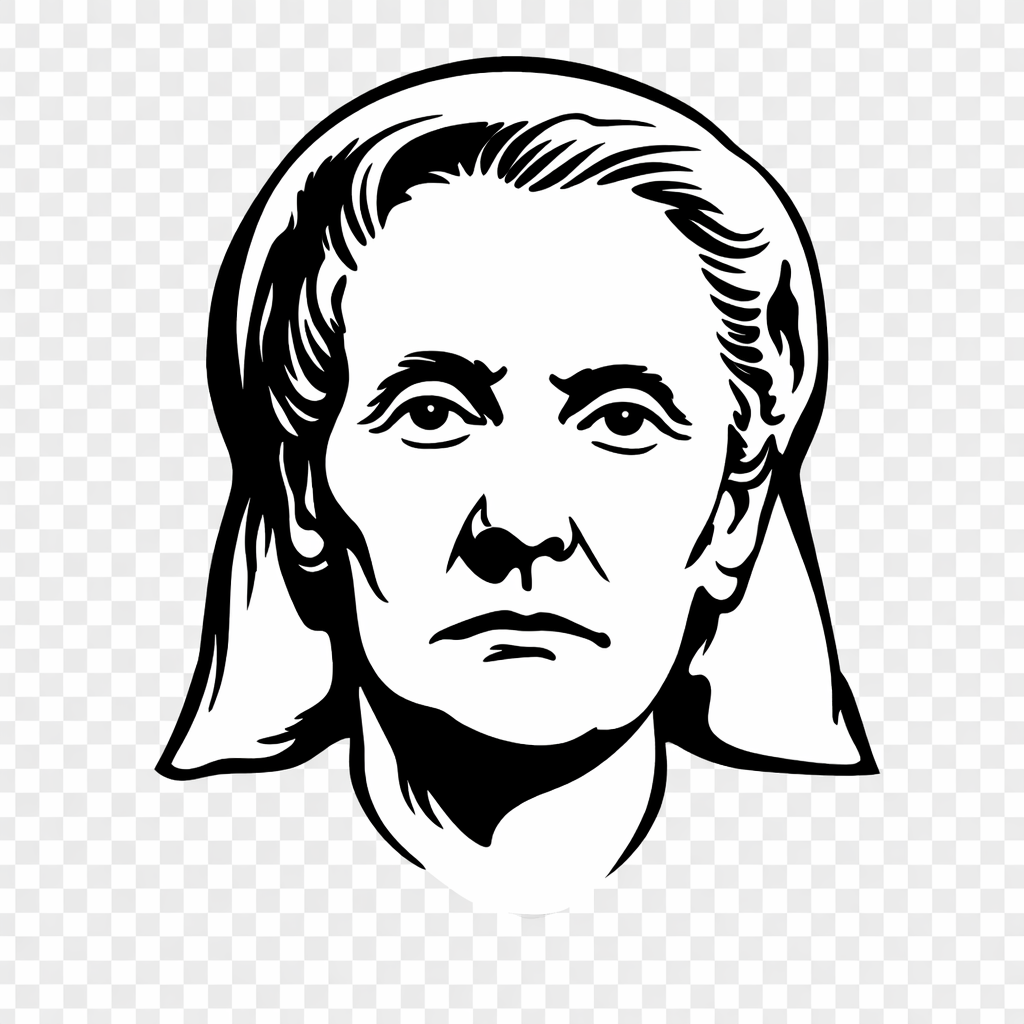
The background
- Nationality:
- British
- Schools:
- Pragmatism
- Branchs:
- Philosophy of language, semiotics, Logic
- Period:
- 19th-century philosophy
The synopsis
Victoria, Lady Welby (1837–1912), born Victoria Alexandrina Maria Louisa Stuart-Wortley, was a British philosopher of language, musician, and watercolourist. After a period of travel and service as a maid of honour to Queen Victoria, she married Sir William Earle Welby-Gregory. Following her children's independence, she pursued self-education and became a significant thinker in the philosophy of language. Her early publications focused on theology, but a curiosity about the nature of understanding led her to explore language, rhetoric, and philosophy. She published seminal works such as *What Is Meaning? Studies in the Development of Significance* (1903) and *Significs and Language* (1911). Welby coined the term 'significs' for her theory of meaning, distinguishing between sense, meaning, and significance, and exploring their connection to ethical, aesthetic, and social values. Her triadic thinking structure resonated with that of Charles Sanders Peirce, with whom she engaged in an influential correspondence. She also corresponded with other notable thinkers like C. K. Ogden, William James, and F.C.S. Schiller. Welby's work anticipated contemporary developments in semantics, semiotics, and semiology, and she had a direct influence on the Dutch Significs group, indirectly impacting L. E. J. Brouwer.
The works
A Young Traveller's Journal of a Tour in North and South America During the Year 1850
Links and Clues
Meaning and metaphor
Sense, meaning, and interpretation I
Sense, meaning, and interpretation II
Grains of Sense
Notes on the 'Welby Prize Essay
What Is Meaning? Studies in the Development of Significance
Time As Derivative
Mr. McTaggart on the "Unreality of Time"
Significs and Language. The Articulate Form of Our Expressive and Interpretative Resources
Echoes of Larger Life. A Selection from the Early Correspondence of Victoria Lady Welby
Other Dimensions. A Selection from the Later Correspondence of Victoria Lady Welby