The Philosopher
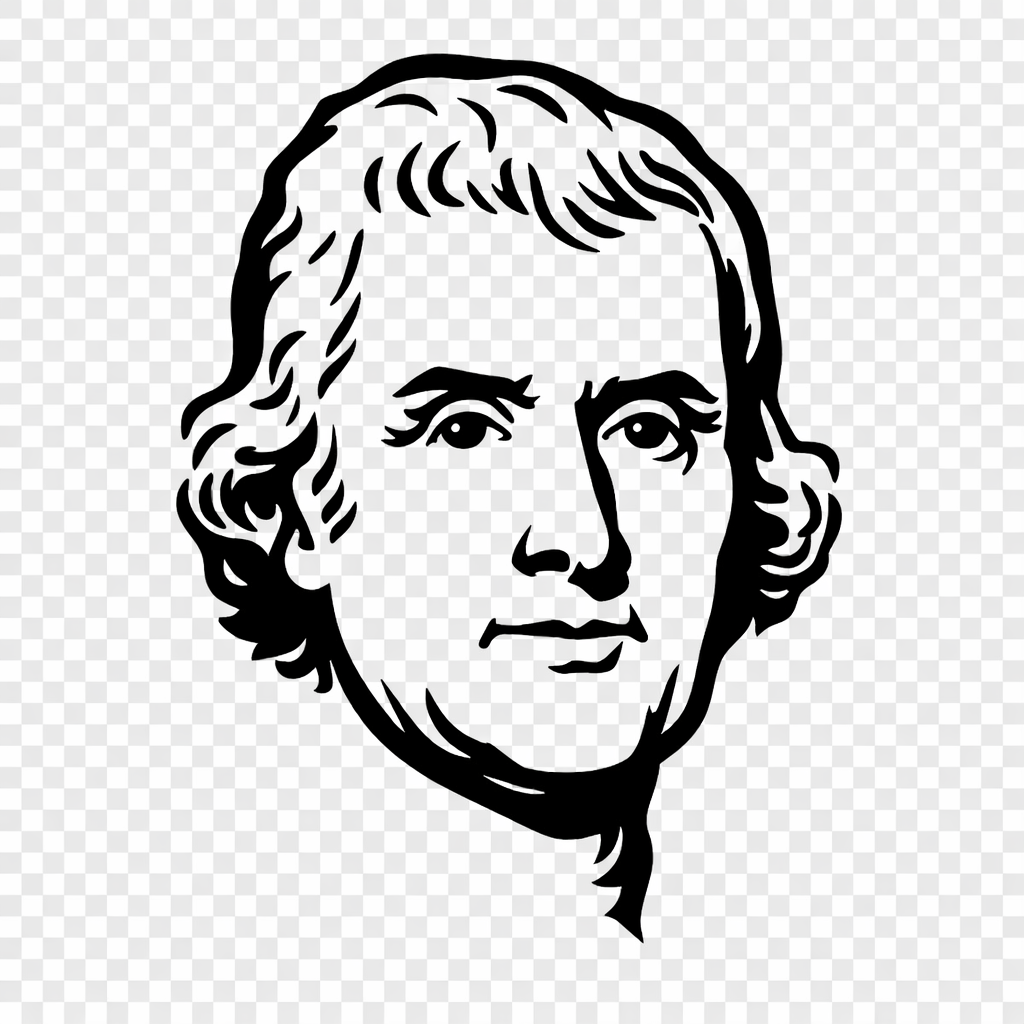
Thomas Jefferson
The face
The background
- Nationality:
- American
- Schools:
- Classical liberalism, Deism, Epicureanism
- Branchs:
- Politics, Ethics, Religion, Philology, Architecture, Natural Philosophy, Linguistics, Archaeology
- Period:
- Age of Enlightenment
The synopsis
Thomas Jefferson (April 13, 1743 – July 4, 1826) was an American statesman, diplomat, lawyer, architect, and Founding Father who served as the third president of the United States from 1801 to 1809. He was the primary author of the Declaration of Independence and a leading proponent of democracy, republicanism, and natural rights. Jefferson was born into the Colony of Virginia's planter class. During the American Revolution, he represented Virginia in the Second Continental Congress. Jefferson served as the second governor of Virginia from 1779 to 1781. In 1785, Congress appointed him as U.S. Minister to France, where he served from 1785 to 1789. President George Washington then appointed Jefferson the nation's first secretary of state, where he served from 1790 to 1793. Jefferson's presidency assertively defended the nation's shipping and trade interests against Barbary pirates and aggressive British trade policies, promoted a western expansionist policy with the Louisiana Purchase, and reduced military forces and expenditures. He is ranked among the upper tier of U.S. presidents both by scholars and in public opinion.
The works
A Summary View of the Rights of British America
Declaration of Independence
Notes on the State of Virginia
Manual of Parliamentary Practice
The Life and Morals of Jesus of Nazareth (Jefferson Bible)
Autobiography of Thomas Jefferson: 1743–1790
The quotes
I am mortified to be told that, in the United States of America, the sale of a book can become a subject of inquiry, and of criminal inquiry too.
Peace and friendship with all mankind is our wisest policy, and I wish we may be permitted to pursue it.
The second office in the government is honorable and easy; the first is but a splendid misery.