The Philosopher
Susanne Langer
The face
The background
- Nationality:
- American
- Schools:
- Process philosophy
- Branchs:
- Philosophy of mind, Aesthetics
- Period:
- 20th-century philosophy
The synopsis
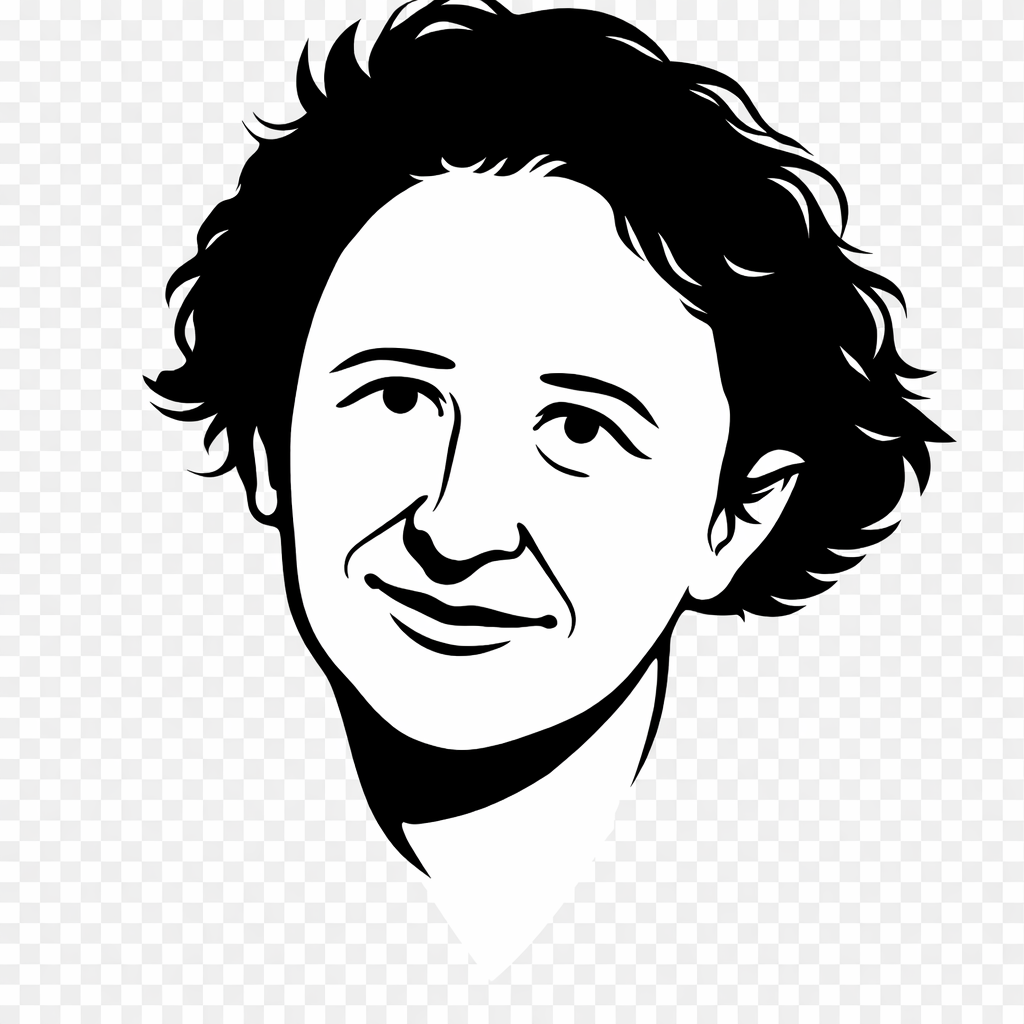
Susanne Katherina Knauth Langer (December 20, 1895 – July 17, 1985) was an American philosopher, writer, and educator known for her theories on the influences of art on the mind. She was one of the earliest American women to achieve an academic career in philosophy. Langer is best remembered for her 1942 book *Philosophy in a New Key*, which was followed by a sequel, *Feeling and Form: A Theory of Art*, in 1953. In 1960, Langer was elected a Fellow of the American Academy of Arts and Sciences.Born Susanne Katherina Knauth, Langer was raised in Manhattan's West Side in New York City. She was the daughter of Antonio Knauth, an attorney, and Else Uhlich, both immigrants from Germany. Though she was American born, Langer's primary language was German, as it was strictly spoken in her household throughout her youth, and her German accent remained for her entire life. She was exposed thoroughly to creativity and art, most specifically through music. She was taught to play the cello and the piano, and she continued with the cello for the rest of her life. As a girl, Langer enjoyed reciting the works of great poets as well as traditional children's rhymes and tales. This formed her love for reading and writing, and she would often write her own poems and stories to entertain her younger siblings. Her love of nature began during the summers her family spent in their cottage on Lake George. She married William Leonard Langer, a fellow student at Harvard, in 1921, and in the same year the couple took their studies to Vienna, Austria. They had two sons and moved back to Cambridge, Massachusetts before they divorced in 1942. She died July 17, 1985.
The works
The Cruise of the Little Dipper, and Other Fairy Tales
The Practice of Philosophy
An Introduction to Symbolic Logic
Philosophy in a New Key: A Study in the Symbolism of Reason, Rite, and Art
Language and Myth
Feeling and Form: A Theory of Art
Problems of Art: Ten Philosophical Lectures
Reflections on Art
Philosophical Sketches
Mind: An Essay on Human Feeling
The quotes
Art is the objectification of feeling, and the subjectification of nature.
If we would have new knowledge, we must get a whole world of new questions.
A signal is comprehended if it serves to make us notice the object or situation it bespeaks. A symbol is understood when we conceive the idea it presents.