The Philosopher
Stephen Toulmin
The face
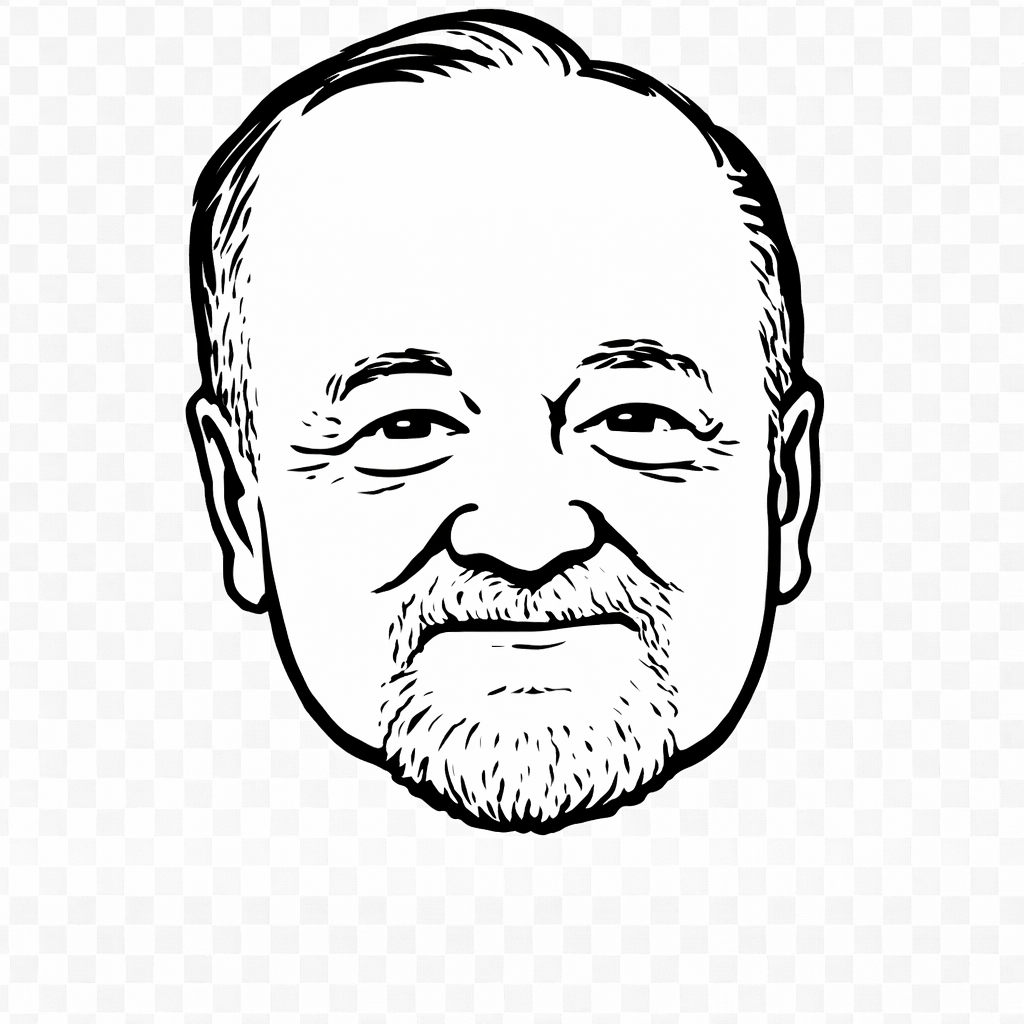
The background
- Nationality:
- British
- Schools:
- Analytic
- Branchs:
- Meta-philosophy, Argumentation, Ethics, Philosophy of science, Rhetoric, Modernity, history of ideas, Humanities
- Period:
- 20th-century philosophy
The synopsis
Stephen Edelston Toulmin (25 March 1922 – 4 December 2009) was a British philosopher, author, and educator. Influenced by Ludwig Wittgenstein, Toulmin devoted his works to the analysis of moral reasoning. Throughout his writings, he sought to develop practical arguments which can be used effectively in evaluating the ethics behind moral issues. His works were later found useful in the field of rhetoric for analyzing rhetorical arguments. The Toulmin model of argumentation, a diagram containing six interrelated components used for analyzing arguments, and published in his 1958 book The Uses of Argument, was considered his most influential work, particularly in the field of rhetoric and communication, and in computer science. Toulmin was born in London, UK, on 25 March 1922. He earned his Bachelor of Arts degree from King's College, Cambridge, in 1943. He later earned a Master of Arts degree and a PhD in philosophy from Cambridge University. He served as University Lecturer in Philosophy of Science at Oxford University and later held professorships at various universities in Australia, England, and the United States. His notable works include 'An Examination of the Place of Reason in Ethics' (1950), 'The Uses of Argument' (1958), 'Human Understanding: The Collective Use and Evolution of Concepts' (1972), and 'Cosmopolis: The Hidden Agenda of Modernity' (1990). He died in Los Angeles, California, at the age of 87.
The works
An Examination of the Place of Reason in Ethics
The Philosophy of Science: An Introduction
The Uses of Argument
Metaphysical Beliefs, Three Essays
The Riviera
Seventeenth century science and the arts
Foresight and Understanding: An Enquiry into the Aims of Science
The Fabric of the Heavens (The Ancestry of Science, volume 1)
The Architecture of Matter (The Ancestry of Science, volume 2)
Night Sky at Rhodes
The Discovery of Time (The Ancestry of Science, volume 3)
Physical Reality
Human Understanding: The Collective Use and Evolution of Concepts
Wittgenstein's Vienna
On the Nature of the Physician's Understanding
Knowing and Acting: An Invitation to Philosophy
An Introduction to Reasoning
The Return to Cosmology: Postmodern Science and the Theology of Nature
The Abuse of Casuistry: A History of Moral Reasoning
Cosmopolis: The Hidden Agenda of Modernity
Social Impact of AIDS in the United States
Beyond theory – changing organizations through participation
Return to Reason