The Philosopher
S. Barry Cooper
The face
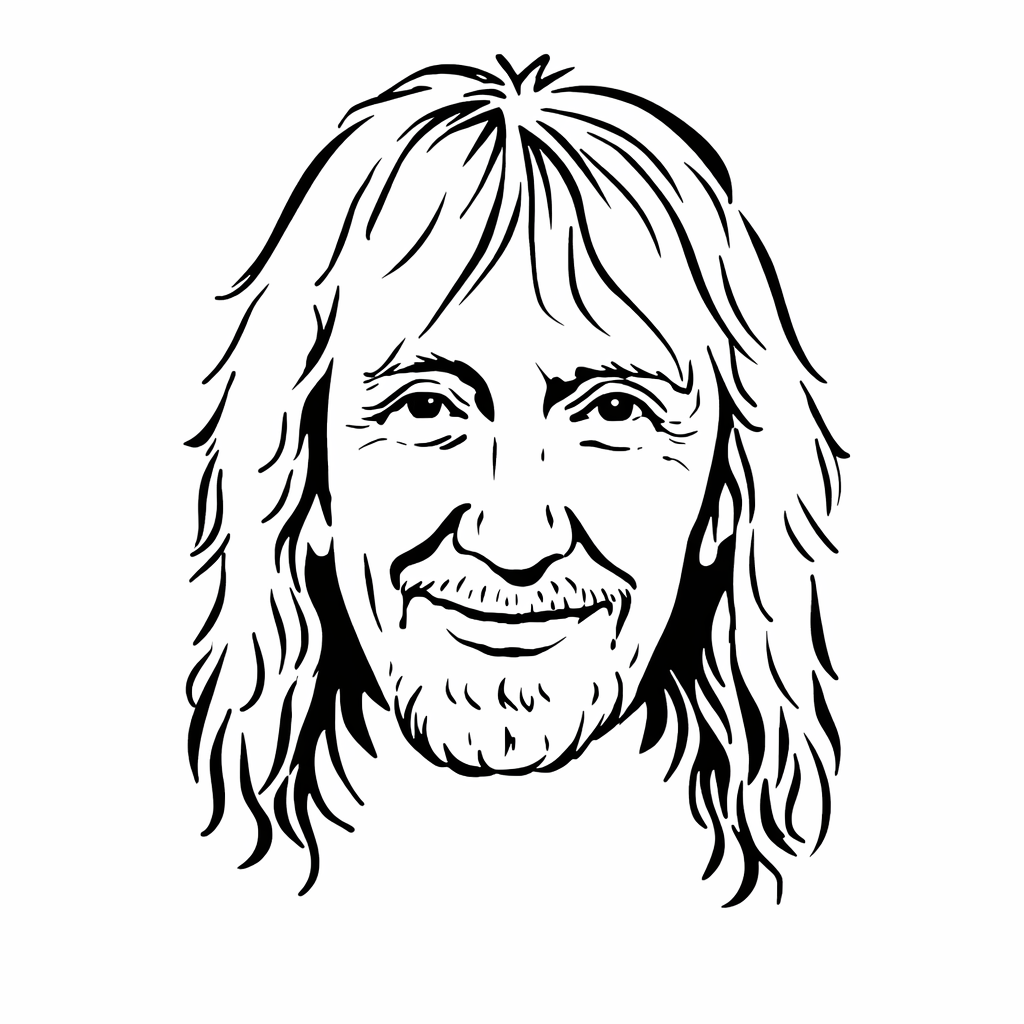
The background
- Nationality:
- English
- Period:
- 20th and 21st century
The synopsis
S. Barry Cooper was an English mathematician and computability theorist, born on October 9, 1943, in Bognor Regis, West Sussex, England. He passed away on October 26, 2015, at the age of 72. Cooper was a professor of pure mathematics at the University of Leeds, where he had a long and distinguished career. He earned his Ph.D. from the University of Leicester in 1970, with a thesis titled *Degrees of Unsolvability*, under the guidance of Reuben Goodstein and C.E.M. Yates.
Cooper's academic career began at the University of Leeds in 1969, where he progressed to Reader in Mathematical Logic in 1991 and then to Professor of Pure Mathematics in 1996. He was recognized internationally for his contributions, including an honorary doctorate from Sofia University in 2011. His book *Computability Theory* played a significant role in making the field accessible to students. Cooper was instrumental in the return to foundational questions in computability, drawing inspiration from Alan Turing, and fostered interdisciplinary connections. He served as the first President of the Association CiE (Computability in Europe) from 2008 to 2015 and chaired the Turing Centenary Advisory Committee (TCAC), coordinating the Alan Turing Year. The book *Alan Turing: His Work and Impact*, which he co-edited, received the R. R. Hawkins Award.
Beyond his academic pursuits, Cooper was a keen long-distance runner and had a passion for jazz and improvised music, founding Leeds Jazz and participating in the Termite Club. He was also actively involved in social causes, being a leading figure in the Chile Solidarity Campaign in the 1970s and welcoming Chilean refugees to Leeds. Cooper's influence extended to editorial boards, including *The Rutherford Journal*.
The works
Computability Theory
Alan Turing – His Work and Impact
New Computational Paradigms – Changing Conceptions of What is Computable
The d.r.e. degrees are not dense
Definability as hypercomputational effect
The incomputable Alan Turing
Incomputability in Nature
Clockwork or Turing U/universe?