The Philosopher
Robert Adamson
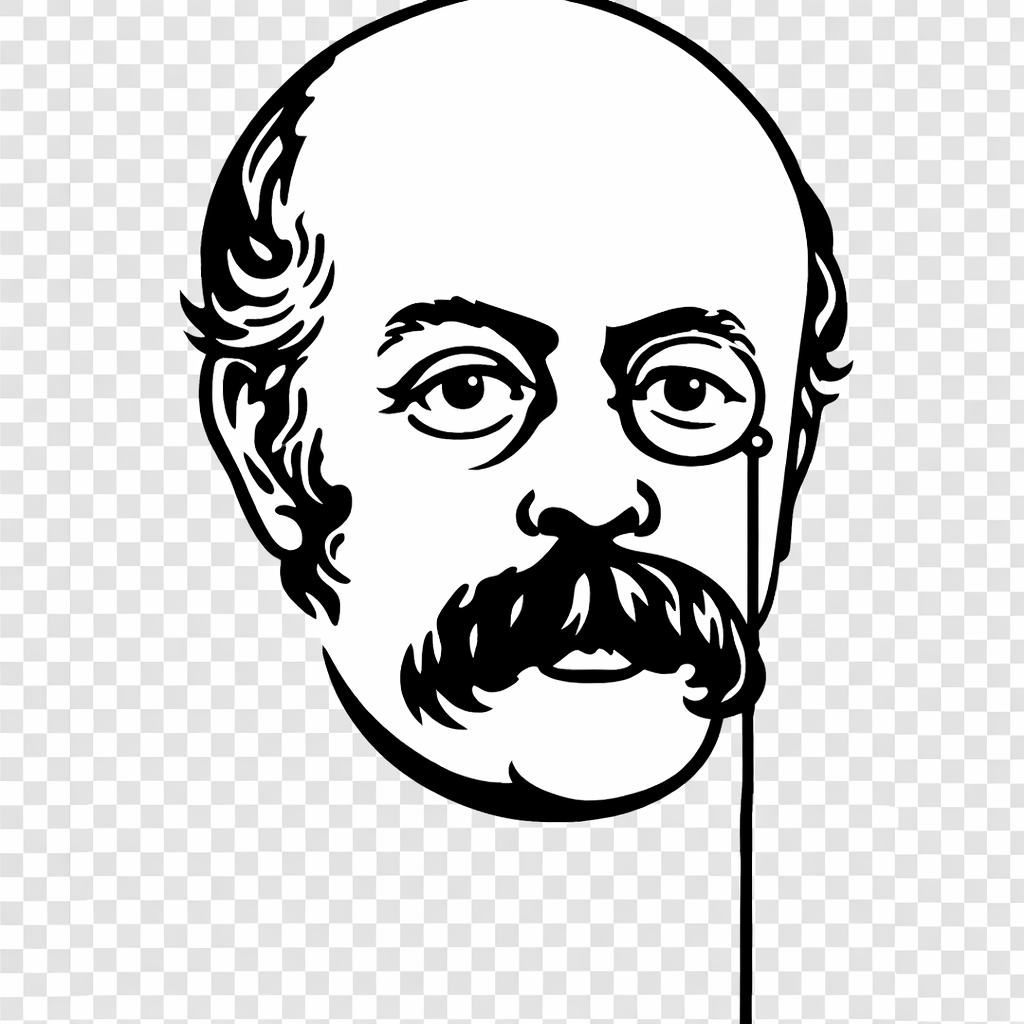
The face
The background
- Nationality:
- Scottish
- Schools:
- Neo-Kantianism
- Period:
- 19th-century philosophy
The synopsis
Robert Adamson (19 January 1852 – 5 February 1902) was a Scottish philosopher and Professor of Logic at Glasgow. He was born in Edinburgh, Scotland. His father was a solicitor, and his mother devoted herself to her children's education after his father's death. Adamson entered the University of Edinburgh at fourteen and graduated with high honors in mental philosophy. He continued his studies in Germany and returned to Edinburgh as an assistant. He also worked for the Encyclopædia Britannica. In 1876, he became Professor of Logic and Philosophy at Owens College, Manchester. He later moved to the University of Aberdeen and then to the University of Glasgow, where he remained until his death. Adamson delivered lectures without manuscripts and was known for his impartiality and rigorous logic. His philosophical views were influenced by Kant and neo-Kantianism, with a blend of empiricism and idealism. He was critical of abstract metaphysical doctrines. He married Margaret "Daisy" Duncan, and they had a daughter, Sarah Gough Adamson, who became an artist. Adamson's writings included articles and essays, with posthumous publications of his lectures and a history of psychology.
The works
The Development of Greek Philosophy
The Development of Modern Philosophy and Other Essays
Fichte
On the Philosophy of Kant
The quotes
I don't know if younger poets read a lot of, you know, the poets - the established poets. There was a lot of pretty boring stuff to sort of put up with and to add to, to make something vital from.
It's just that if you're not disruptive everything seems to be repeated endlessly - not so much the good things but the bland things - the ordinary things - the weaker things get repeated- the stronger things get suppressed and held down and hidden.
He was certainly in a confused state. I used to go and visit him in Callan Park. They were really - to me they were the best poets those two writing in those days but it wasn't very encouraging because, well, they weren't getting far were they?