The Philosopher
Razumnik Ivanov-Razumnik
The face
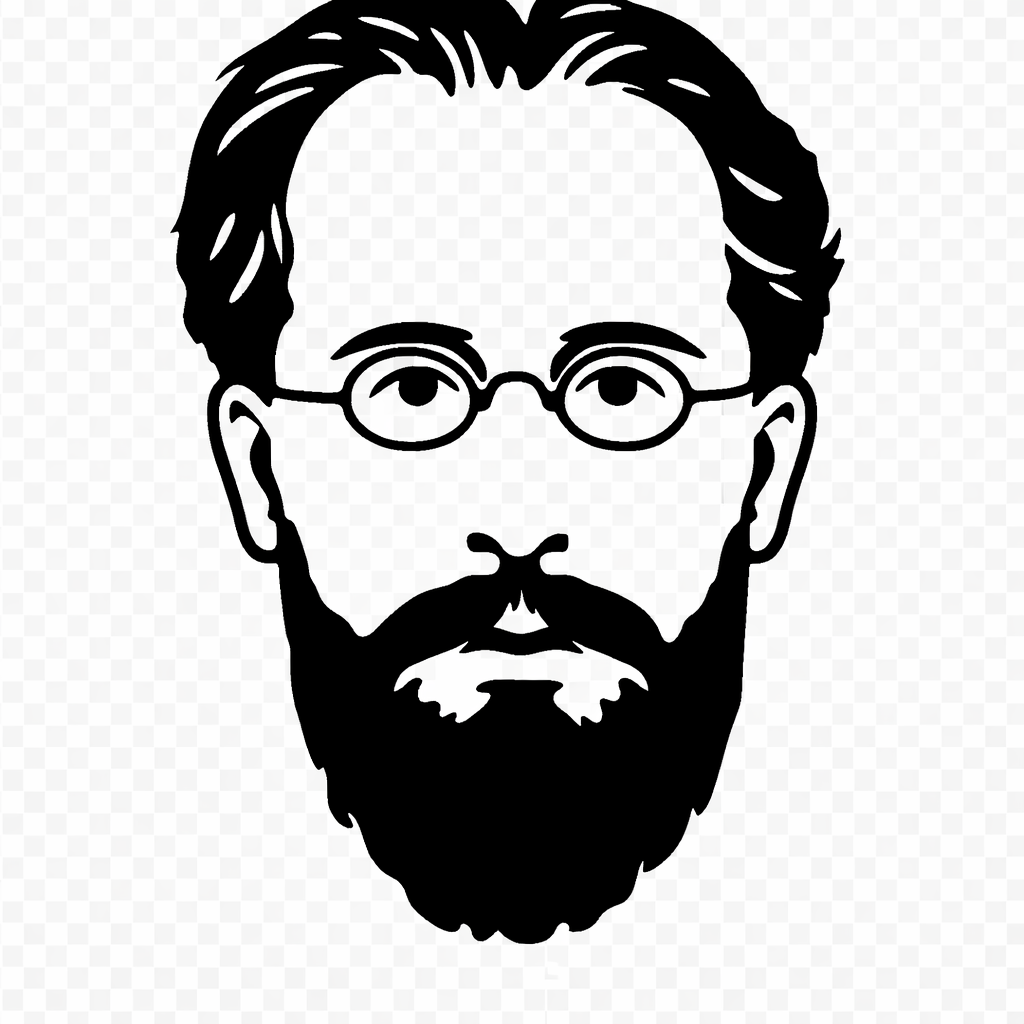
The background
- Nationality:
- Russian
- Schools:
- narodnik, Marxism, utilitarianism, nihilism
- Branchs:
- Philosophy, Sociology, Literary criticism
- Period:
- 1904–1946
The synopsis
Razumnik Vasilyevich Ivanov-Razumnik (born Ivanov; 24 December 1878 – 9 July 1946) was a Soviet Russian writer, philosopher, and literary critic. He is best known for his seminal work, *History of Russian Social Thought*, published in two volumes in 1907, which gained significant popularity among the Russian left. Ivanov-Razumnik developed a unique system for analyzing Russian literature, categorizing its history into distinct periods based on ideological paradigms, such as the "mystical theory of progress," the "positive theory of progress," and "immanent subjectivism." He particularly championed "immanent subjectivism," which he defined as an "ethical and sociological individualism" that prioritizes subjective systems of reasonability and finds meaning in life through achieving "the fullness of being" by integrating "elements of reality" like sense, beauty, justice, and truth. His early activism led to his arrest and expulsion from Saint Petersburg University in 1901. He joined the staff of the Narodnik magazine *Zavety* in 1912, becoming a central figure in literary circles. He embraced the October Revolution of 1917 and actively cooperated with the Left Socialist Revolutionary Party, which led to his arrest by the Cheka in 1919, though he was subsequently released. He was a leader of the Free Philosophical Association from 1919 to 1925. In 1933, he was accused of propagating narodnik ideas and was deported to Siberia. He faced further arrest and exile in 1937 but was released in 1939. During World War II, he worked at the State Museum of Literature before being sent to a camp in Eastern Prussia. After his liberation in 1943, he moved to Lithuania and then to Germany. In Germany, he wrote about his experiences in Soviet prisons and exile and published essays on Soviet authors. He died in Munich, Germany, in 1946.
The works
History of Russian Social Thought
The Two Russias
Life in Prisons and Exile
The Writers' Fates
Of the Life’s Meaning