The Philosopher
Pietro Verri
The face
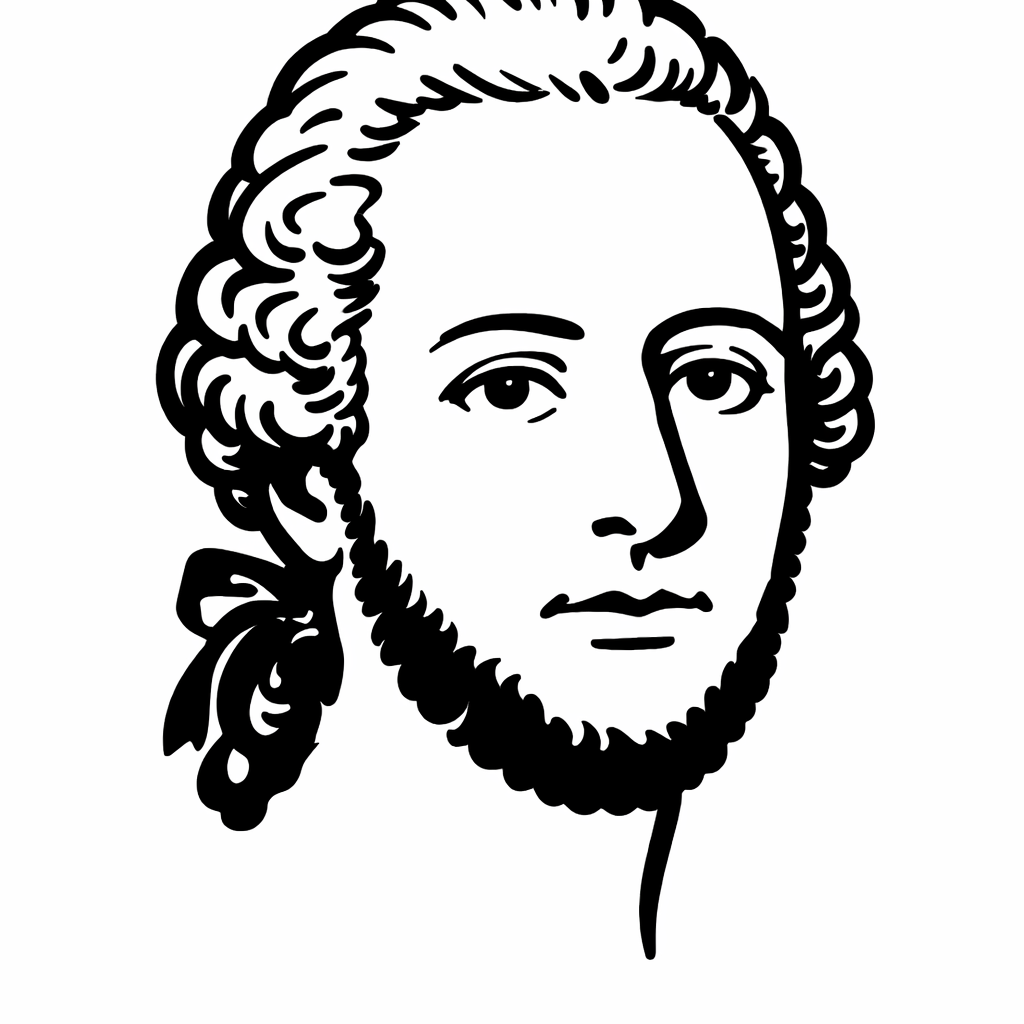
The background
- Nationality:
- Italian
- Schools:
- Classical liberalism, Italian Enlightenment
- Branchs:
- Political economy, Philosophy, History, Literature
- Period:
- 18th century
The synopsis
Pietro Verri (1728–1797) was an Italian economist, historian, philosopher, and writer. He was one of the most important cultural figures of 18th-century Italy, considered a father of the Lombard reformist Enlightenment. Verri's intellectual journey began with a rebellion against his religious education, leading him to explore Enlightenment thinkers like Montesquieu, Voltaire, Rousseau, and Hume. He co-founded the literary association Società dei Pugni and the magazine Il Caffè, which became a significant platform for Enlightenment ideas. In political economy, Verri published 'Meditazioni sull'economia politica' (1771), which was highly acclaimed and considered a foundational text in the emergence of political economy as a science. Joseph Schumpeter regarded him as a key pre-Smithian authority on 'cheapness and plenty'. Verri's work focused on prices, equilibrium between production and consumption, and distribution. Philosophically, he explored themes of happiness, pleasure, and pain, with his work influencing later thinkers like Kant and Schopenhauer. His influence extended to figures like Cesare Beccaria and possibly Adam Smith. Verri also contributed to historiography with his 'Storia di Milano'. He died in 1797.
The works
Meditazioni sull'economia politica
Il Caffè
Storia di Milano
Dell'indole del piacere e del dolore
Osservazioni sulla tortura