The Philosopher
Pietro Giannone
The face
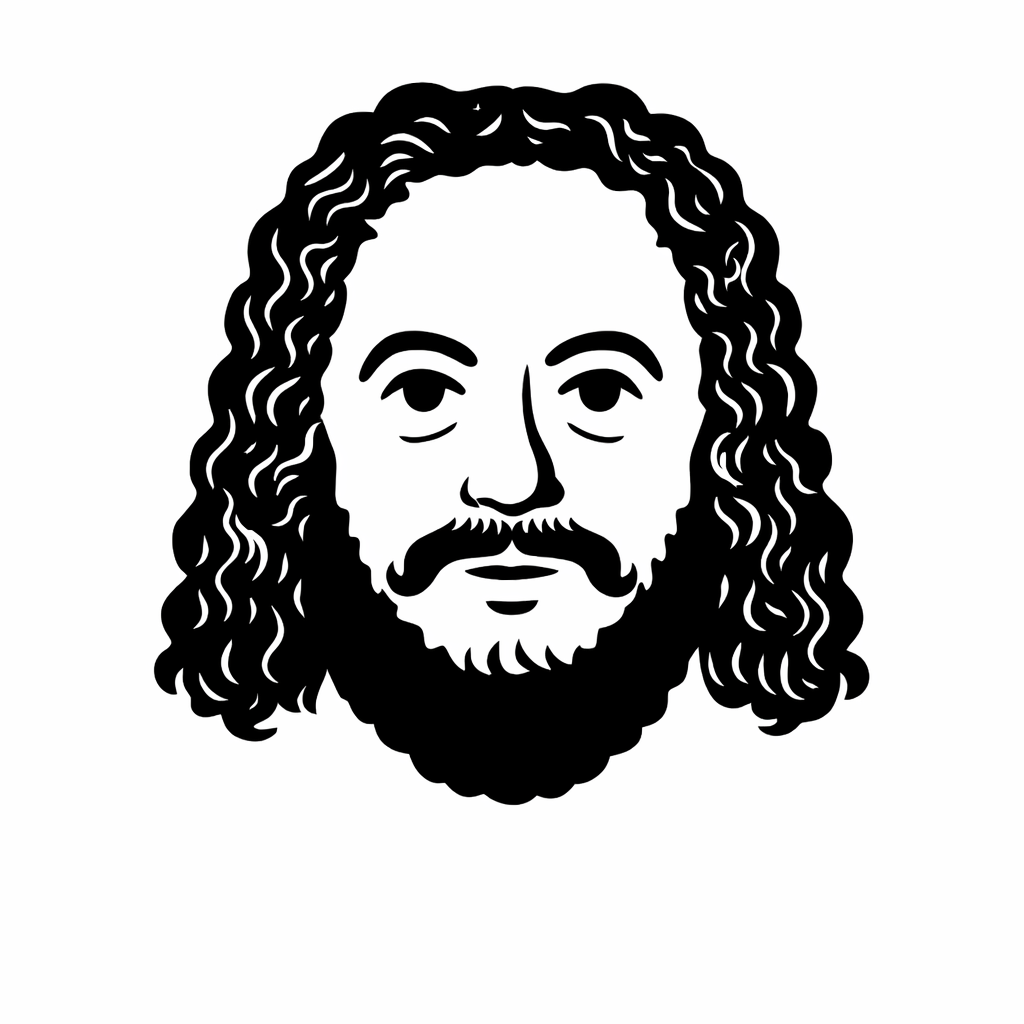
The background
- Nationality:
- Italian
- Period:
- Enlightenment
The synopsis
Pietro Giannone was an Italian philosopher, historian, and jurist born on May 7, 1676, in Ischitella, Kingdom of Naples. He died on March 17, 1748, at the age of 71. Giannone is recognized for his strong opposition to the papal influence in Naples, a stance that resulted in his excommunication and a lengthy imprisonment of twelve years until his death. He arrived in Naples at the age of eighteen and dedicated himself to the study of law, but his legal pursuits were overshadowed by his literary achievements. He spent twenty years composing his seminal work, the "Storia civile del regno di Napoli" (History of the Kingdom of Naples), which was published in 1723. In this historical account, Giannone meticulously detailed the evolution of Neapolitan laws and governance, ardently supporting the civil power in its disputes with the Roman Catholic hierarchy. He was a pioneer in systematically addressing the relationship between Church and State, a position that ignited a lifelong conflict with the Roman Catholic Church. Consequently, he was excommunicated by the archbishop's court and forced to flee Naples, eventually settling in Vienna, Austria. His historical work was further scrutinized when the Roman Inquisition placed it on the Index Librorum Prohibitorum. In Vienna, Giannone received support from Emperor Charles VI, which enabled him to continue his historical research, leading to the publication of "Il Triregno, ossia del regno del cielo, della terra, e del papa.". Later, he moved to Venice, hoping to serve the new Neapolitan monarchy, but was denied a passport. Despite initial positive reception in Venice, suspicions about his views on maritime law and clerical intrigues led to his expulsion. He was later kidnapped by Sardinian agents and imprisoned in the Fortress of Miolans and subsequently in Turin, where he spent the last twelve years of his life. During his imprisonment, he was compelled to retract certain statements in his writings that were objectionable to the Vatican. Despite these hardships, Giannone endured his suffering with fortitude, viewing himself as a confessor and martyr for historical truth.
The works
Storia civile del regno di Napoli
Volume 3, In cui contieni la Polizia del Regno sotto Angioini ed Aragonesi
Istoria civile del regno di Napoli, Volume 1
Volume 5, In cui contieni la Polizia del Regno sotto Angioini ed Aragonesi
Istoria civile del regno di Napoli, Volume 4
Il Triregno, ossia del regno del cielo, della terra, e del papa