The Philosopher
Pierre Teilhard de Chardin
The face
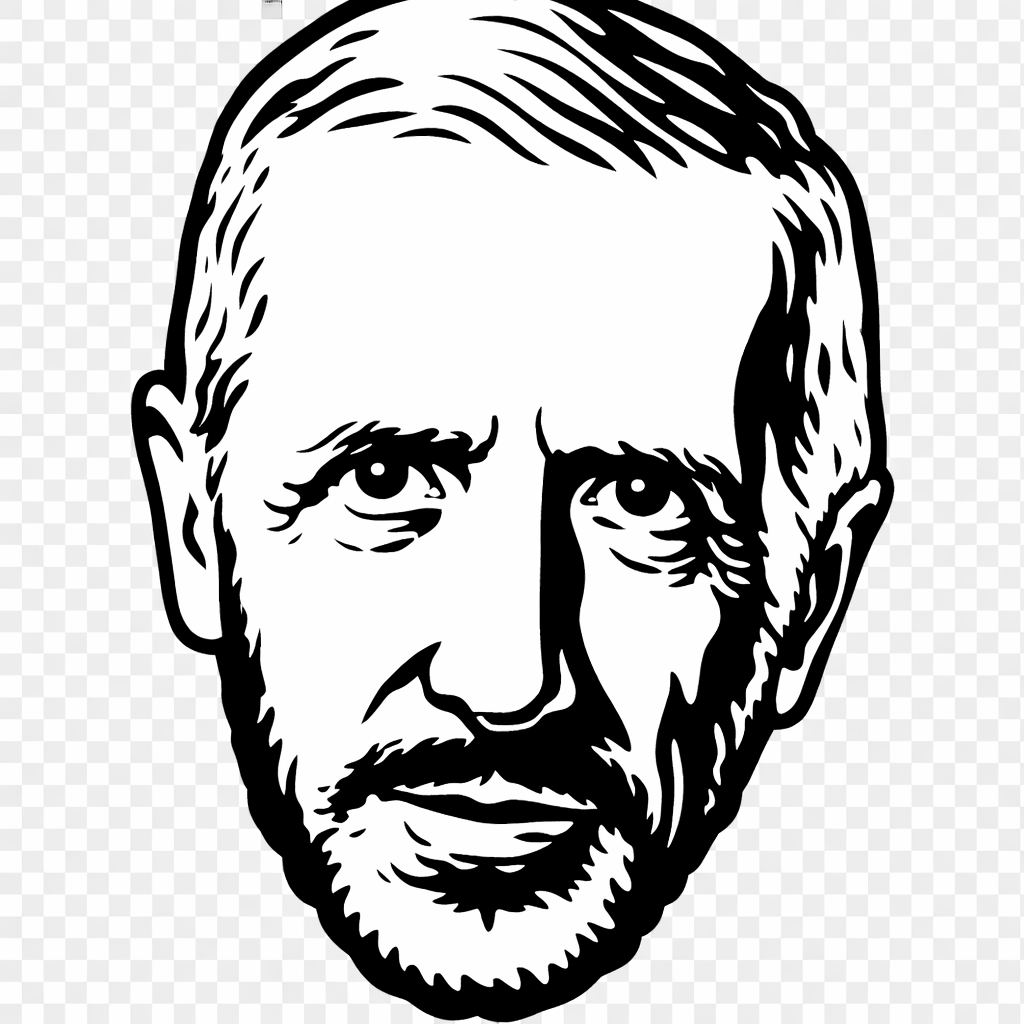
The background
- Nationality:
- French
- Schools:
- Christian philosophy
- Branchs:
- Philosophy of biology, Philosophy of religion
- Period:
- 20th-century philosophy
The synopsis
Pierre Teilhard de Chardin was a French Jesuit priest, scientist, paleontologist, philosopher, mystic, and teacher. He investigated the theory of evolution from a perspective influenced by Henri Bergson and Christian mysticism, writing multiple scientific and religious works on the subject. His mainstream scientific achievements include his paleontological research in China, taking part in the discovery of the significant Peking Man fossils from the Zhoukoudian cave complex near Beijing. His more speculative ideas, sometimes criticized as pseudoscientific, have included a vitalist conception of the Omega Point. Along with Vladimir Vernadsky, he contributed to the development of the concept of the noosphere. In 1962, the Holy Office issued a warning regarding Teilhard's works, alleging ambiguities and doctrinal errors without specifying them. Some eminent Catholic figures, including Pope Benedict XVI and Pope Francis, have made positive comments on some of his ideas since. The response to his writings by scientists has been divided. Teilhard served in World War I as a stretcher-bearer. He received several citations, and was awarded the Médaille militaire and the Legion of Honour, the highest French order of merit, both military and civil.
The works
The Phenomenon of Man
The Divine Milieu