The Philosopher
Michal Sedziwój
The face
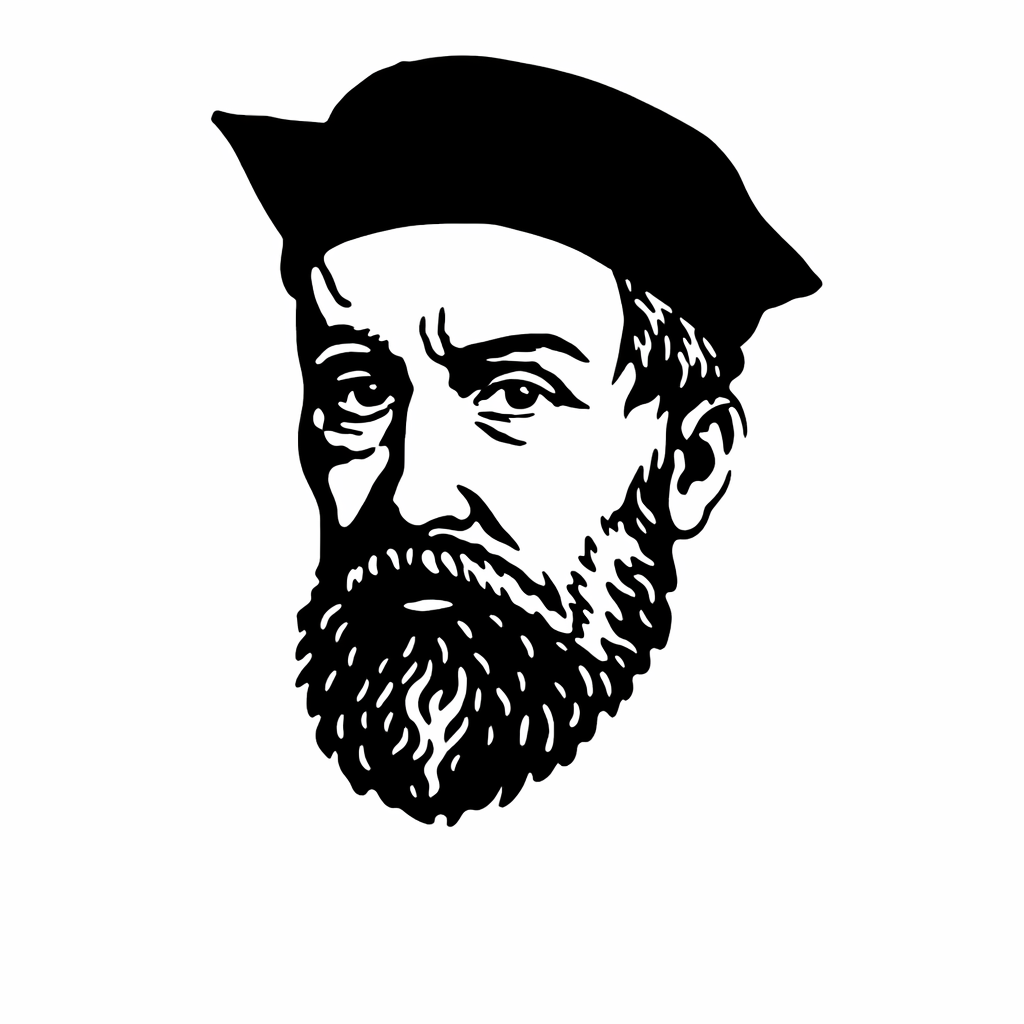
The background
- Nationality:
- Polish
- Branchs:
- Alchemy, Chemistry, Philosophy, Medicine
- Period:
- Early modern
The synopsis
Michael Sendivogius, born Michał Sędziwój on February 2, 1566, and died in 1636, was a notable Polish alchemist, philosopher, and physician. He is recognized as a pioneer in the field of chemistry for his work in purifying and creating various acids, metals, and other chemical substances. Sendivogius made a significant contribution by discovering that air is not a uniform substance but contains a vital component, which he termed "central nitre." This discovery predated the official isolation of oxygen by Carl Wilhelm Scheele by 170 years. He correctly identified this "food of life" with the gas released when heating nitre. His work and theories were influential, with his books, such as "New Chemical Light" (1604), being translated and read by prominent figures like Isaac Newton. Sendivogius was born into a noble family and studied at several European universities, including Vienna, Altdorf, Leipzig, and Cambridge. He was active at the courts of Emperor Rudolf II in Prague and King Sigismund III Vasa in Poland, where he gained fame not only for his alchemical pursuits but also for his practical contributions to mining and foundry design. Despite his international contacts and diplomatic roles, his later years were spent in Bohemia and Moravia. The onset of the Thirty Years' War shifted patronage away from alchemical speculation towards military financing, leading to Sendivogius dying in relative obscurity.
The works
De Lapide Philosophorum Tractatus duodecim e naturae fonte et manuali experientia deprompti
Novum Lumen Chymicum
Dialogus Mercuriii, Alchemistae et Naturae
Tractatus de sulphure altero naturae principio