The Philosopher
Marquis de Condorcet
The face
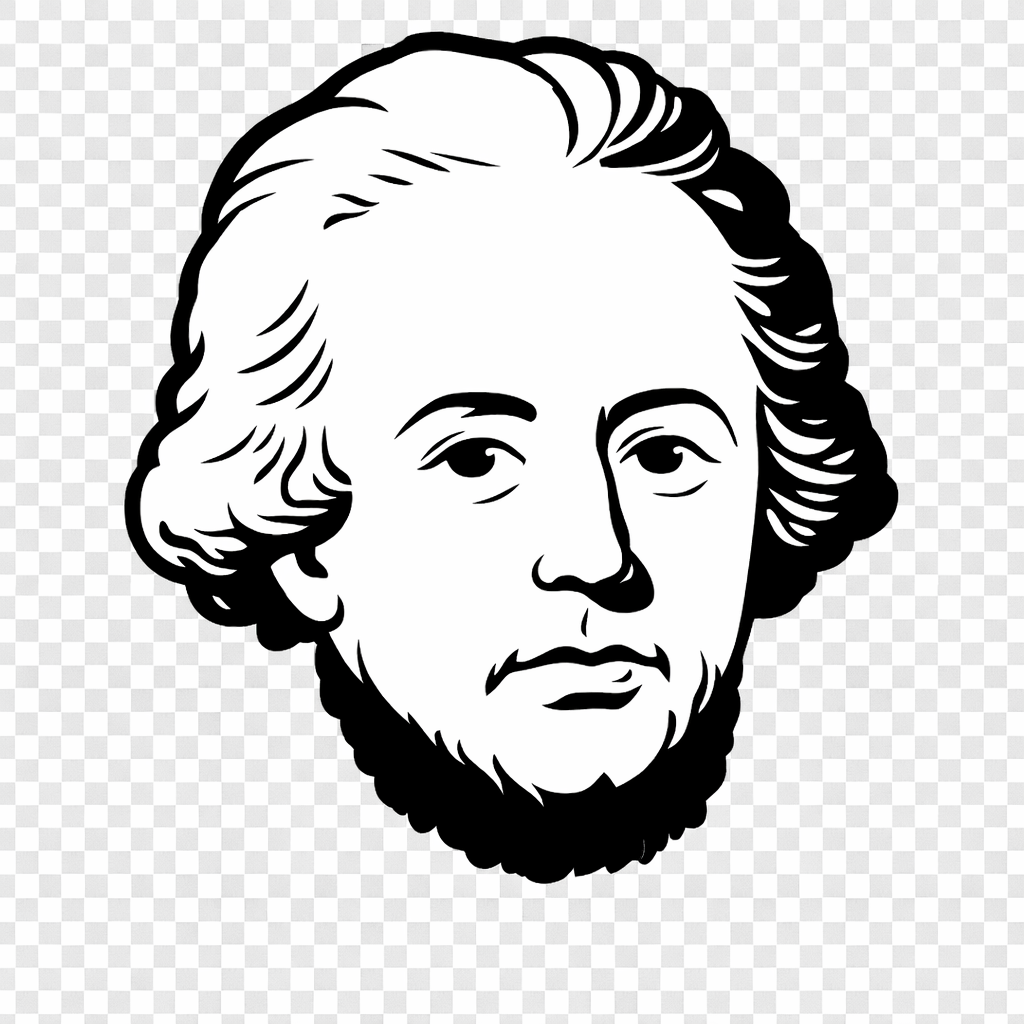
The background
- Nationality:
- French
- Schools:
- Enlightenment, Classical liberalism, Economic liberalism
- Branchs:
- Mathematics, Philosophy, Political economy, Politics
- Period:
- 18th-century philosophy
The synopsis
Marie Jean Antoine Nicolas de Caritat, Marquis de Condorcet was a French philosopher, political economist, politician, and mathematician. His ideas, including support for free markets, public education, constitutional government, and equal rights for women and people of all races, and a welfare state, have been said to embody the ideals of the Age of Enlightenment, of which he has been called the "last witness", and Enlightenment rationalism. As he was a critic of the constitution proposed by Marie-Jean Hérault de Séchelles in 1793, the Convention Nationale – and the Jacobin faction in particular – voted to have Condorcet arrested. He died in prison after a period of hiding from the French Revolutionary authorities. Born in Ribemont, he was educated in Reims and Paris, showing early intellectual ability, particularly in mathematics. He published his first work on mathematics in 1765 and was elected to the Académie royale des Sciences in 1769. He became friends with Jacques Turgot and later worked with Leonhard Euler and Benjamin Franklin. In 1774, he was appointed inspector general of the Paris mint, shifting his focus to philosophy and political matters. He became an advocate for human rights, women's rights, and the rights of Black people, and was active in the Society of the Friends of the Blacks. In 1785, he published his influential work on election methods, including Condorcet's jury theorem and Condorcet's paradox. He also anonymously published "Reflections on Negro Slavery" in 1781. During the French Revolution, he was elected to the Legislative Assembly and advocated for women's suffrage. However, his criticism of the Montagnards' constitution led to his arrest warrant in 1793. He died in prison in 1794, likely by suicide, after writing his posthumously published work, "Sketch for a Historical Picture of the Progress of the Human Mind."
The works
Essai sur le calcul intégral
Réflexions sur l'esclavage des nègres
Essai sur l'application de l'analyse à la probabilité des décisions rendues à la pluralité des voix
Vie de M. Turgot
Vie de Voltaire
De l'admission des femmes au droit de cité
Sketch for a Historical Picture of the Progress of the Human Mind
The quotes
I hope to see the bringing together of all the best educated people of the earth into a worldwide Congress of Scientists.
Enjoy your own life without comparing it with that of another.