The Philosopher
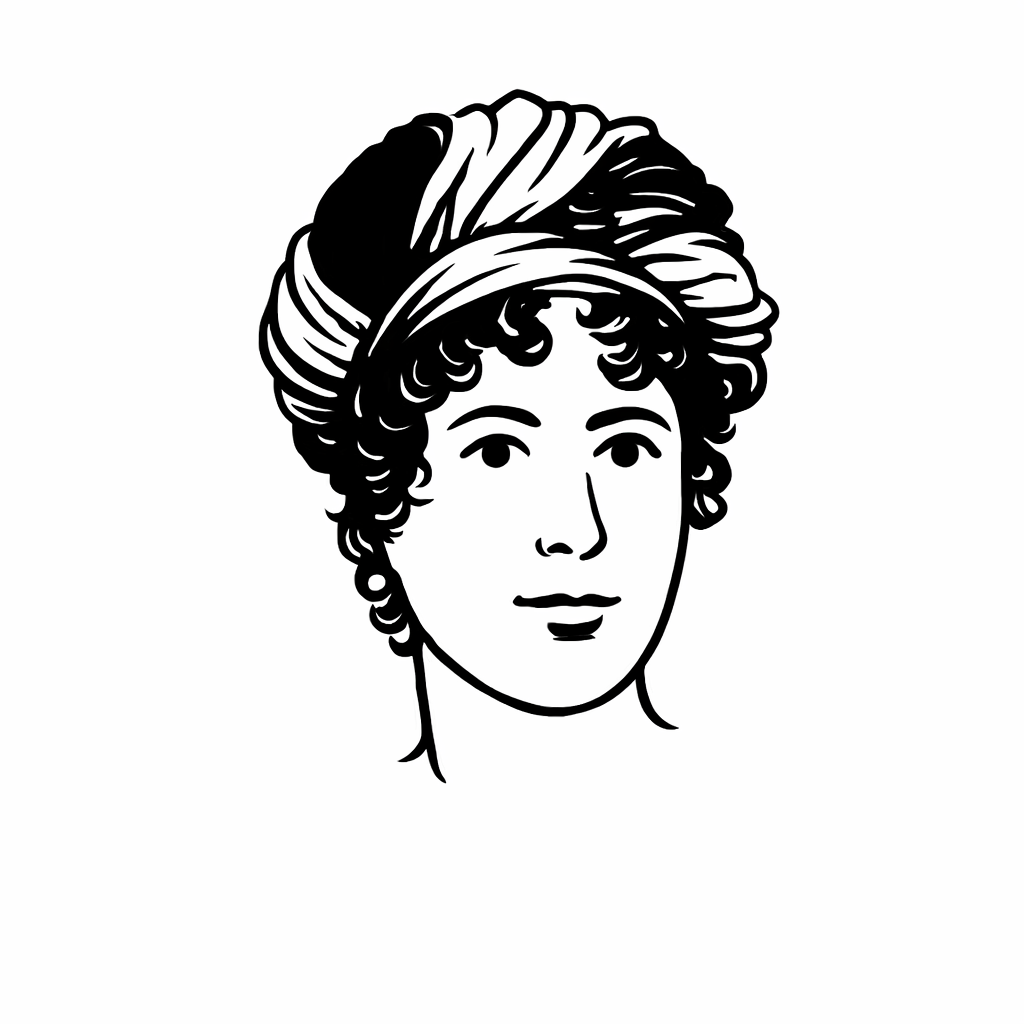
Madame de Staël
The face
The background
- Nationality:
- French
- Schools:
- Romanticism
- Branchs:
- Liberalism, Romanticism
- Period:
- Enlightenment
The synopsis
Anne Louise Germaine de Staël-Holstein, commonly known as Madame de Staël, was a prominent French novelist, woman of letters, philosopher, and political theorist active in both Parisian and Genevan intellectual circles. Born in Paris in 1766, she was the daughter of banker and finance minister Jacques Necker and salonnière Suzanne Curchod. Throughout her life, she maintained a moderate political stance during the turbulent periods of the French Revolution and the Napoleonic era, continuing her influence until the French Restoration. Her engagement in political discourse was evident through her presence at events like the Estates General of 1789 and her role in the Declaration of the Rights of Man and of the Citizen. Facing exile due to the Reign of Terror and Napoleon's personal persecution, she claimed to have recognized Napoleon's tyrannical nature early on. During her exile, she became the center of the Coppet group, a European network. Her literary works, emphasizing individuality and passion, significantly influenced European intellectual thought and contributed to the rise of Romanticism. She also cautioned about the potential hazards of public expression. She died in Paris in 1817.
The works
Journal de Jeunesse
Sophie ou les sentiments secrets
Jane Gray
Lettres sur le caractère et les écrits de J.-J. Rousseau
Réflexions sur le procès de la Reine
De l'influence des passions sur le bonheur des individus et des nations
De la littérature dans ses rapports avec les institutions sociales
Delphine
Vie privée de Mr. Necker
Corinne ou l'Italie
De l'Allemagne
Considérations sur les principaux événements de la révolution française
Dix Années d'Exil
The quotes
One must choose in life between boredom and suffering.
The more I see of men the more I like dogs.
We cease loving ourselves if no one loves us.
The voice of conscience is so delicate that it is easy to stifle it; but it is also so clear that it is impossible to mistake it.
Prayer is more than meditation. In meditation, the source of strength is one's self. When one prays, he goes to a source of strength greater than his own.
Politeness is the art of choosing among your thoughts.
The desire of the man is for the woman, but the desire of the woman is for the desire of the man.
A man must know how to fly in the face of opinion; a woman to submit to it.
The sense of this word among the Greeks affords the noblest definition of it; enthusiasm signifies God in us.
Love is the whole history of a woman's life, it is but an episode in a man's.
Wit consists in knowing the resemblance of things that differ, and the difference of things that are alike.
When a noble life has prepared for old age, it is not decline that it reveals, but the first days of immortality.
Sow good services: sweet remembrances will grow from them.
Love is a symbol of eternity. It wipes out all sense of time, destroying all memory of a beginning and all fear of an end.
To be totally understanding makes one very indulgent.
The greatest happiness is to transform one's feelings into action.
Scientific progress makes moral progress a necessity; for if man's power is increased, the checks that restrain him from abusing it must be strengthened.
Wit lies in recognizing the resemblance among things which differ and the difference between things which are alike.
Genius is essentially creative; it bears the stamp of the individual who possesses it.
That past which is so presumptuously brought forward as a precedent for the present, was itself founded on some past that went before it.
The mystery of existence is the connection between our faults and our misfortunes.
Innocence in genius, and candor in power, are both noble qualities.
In matters of the heart, nothing is true except the improbable.
The human mind always makes progress, but it is a progress in spirals.
A religious life is a struggle and not a hymn.
Search for the truth is the noblest occupation of man; its publication is a duty.
Speech happens to not be his language.
Men err from selfishness; women because they are weak.