The Philosopher
Liang Sou-ming
The face
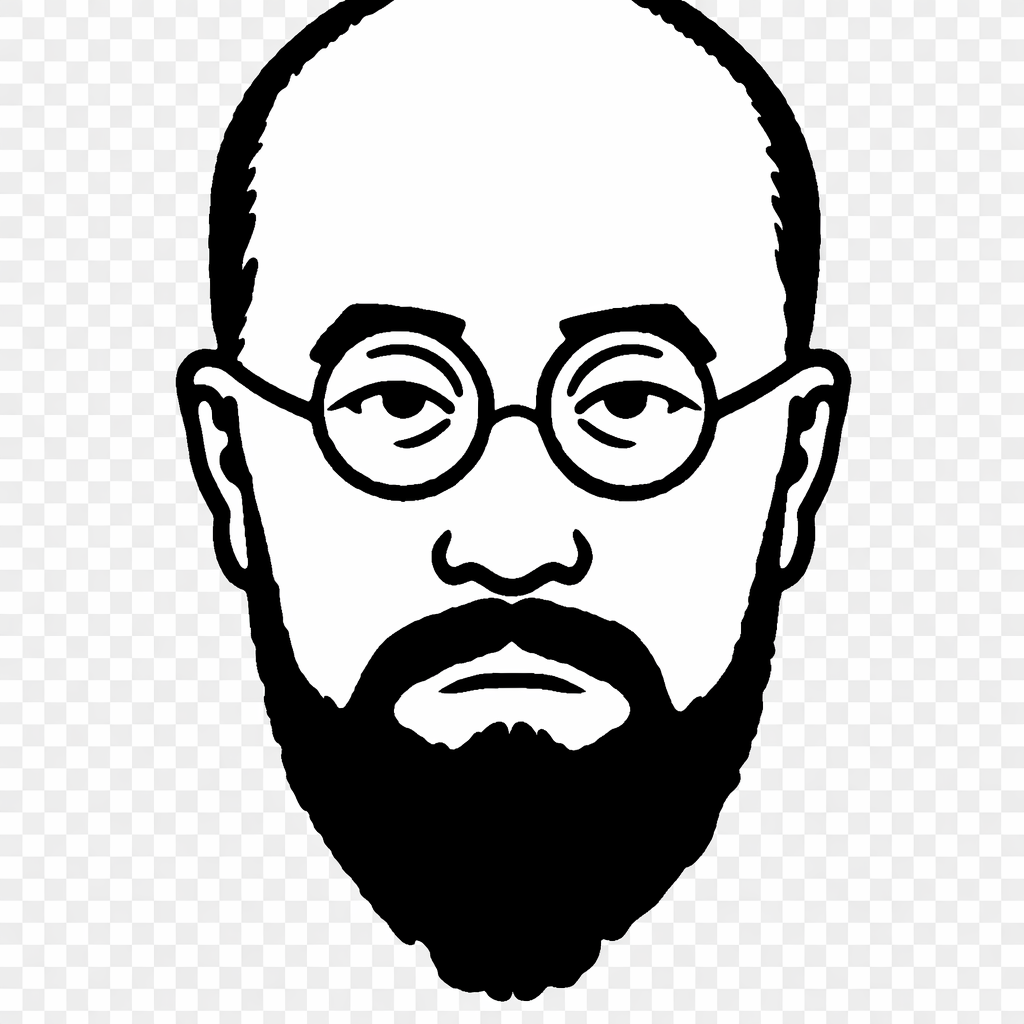
The background
- Nationality:
- Chinese
- Schools:
- Neo-Confucianism, Yogachara
- Branchs:
- Rural Reconstruction Movement, Confucianism, Buddhism
The synopsis
Liang Shuming (born Liang Huanding; 18 October 1893 – 23 June 1988) was a Chinese philosopher, politician, and writer. He was a prominent figure in the Rural Reconstruction Movement during the late Qing dynasty and early Republican eras of Chinese history. Born in Beijing, Liang came from a Mongolian background. His father, an intellectual, committed suicide, which deeply affected Liang and influenced his views on the state of China. Liang received a modern education and was exposed to Western thought, but also retained a strong interest in Buddhism, which significantly shaped his philosophical outlook. Despite not joining a monastery, Buddhism remained a lifelong influence. He famously critiqued Marxist class theory, arguing that Chinese rural society's complex kinship structures did not fit neat class divisions. After the Sino-Japanese War, Liang played a role in mediating between the Communist and Nationalist parties. He was known for his belief that Western civilization was ultimately flawed and advocated for reforms starting at the grassroots level, leading him to found the Shandong Rural Reconstruction Institute. His influential book, 'Eastern and Western Cultures and their Philosophies' (1921), proposed a theory of three cultures based on different orientations of the human will, placing the West in the first stage, China in the second, and India in the third. In 'The Substance of Chinese Culture,' he contrasted Chinese and Western social structures, emphasizing China's focus on family and ethics versus the West's emphasis on the individual and rights. While he believed China could benefit from Western science and democracy, he cautioned against wholesale adoption. Liang's work in rural reconstruction in Zouping County, Shandong, focused on group unity, technological development, and the elimination of outdated traditions. He was a beacon of intellectual freedom, famously refusing to criticize Confucius when ordered to do so during the Cultural Revolution.
The works
Eastern and Western Cultures and their Philosophies
The Substance of Chinese Culture
DOUBT
Introduction to Indian Philosophy
CONC
Human Mind and Human Life