The Philosopher
Leonard Trelawny Hobhouse
The face
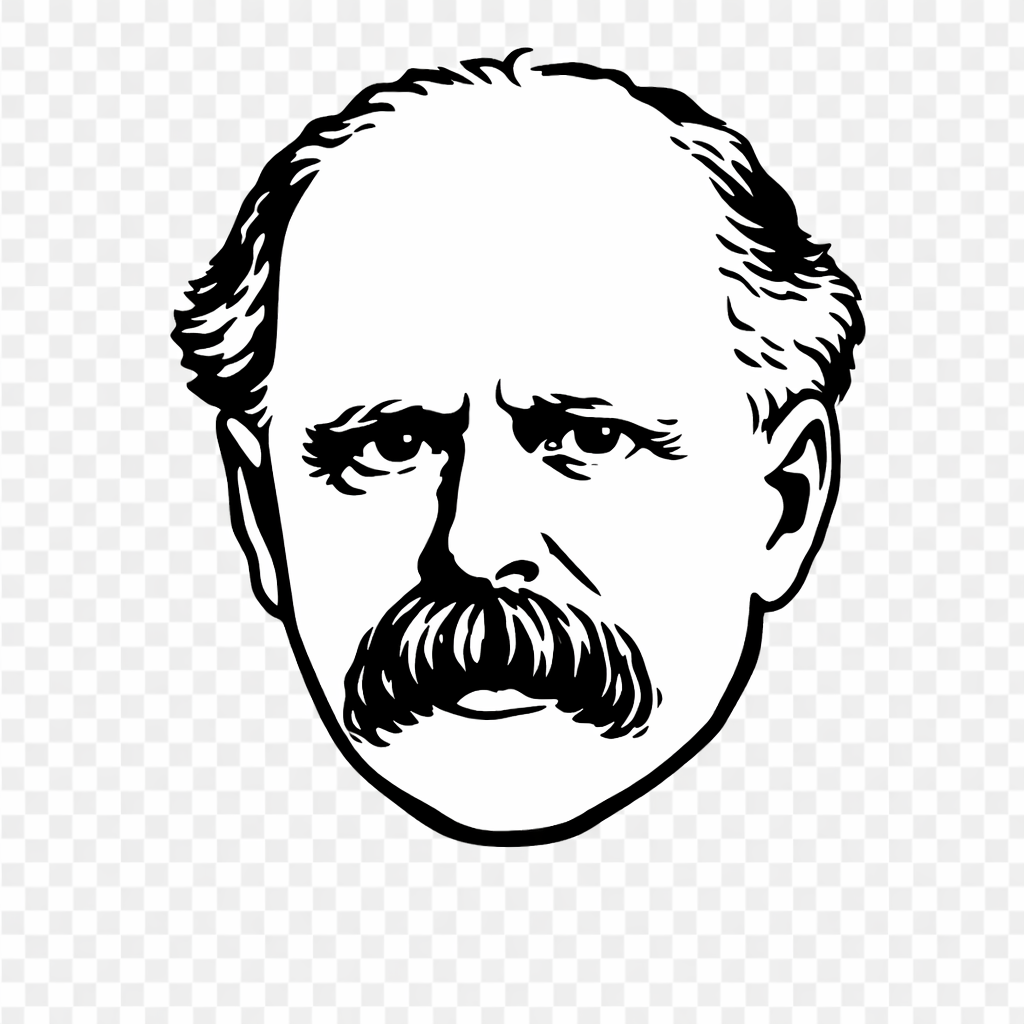
The background
- Nationality:
- British
- Schools:
- Social liberalism, New Liberalism, Liberal socialism
- Branchs:
- political theory, Sociology, Social liberalism, New Liberalism, Liberalism, Democracy, Secularism, Feminism
- Period:
- New Liberalism
The synopsis
Leonard Trelawny Hobhouse (8 September 1864 – 21 June 1929) was an English liberal political theorist and sociologist, recognized as one of the earliest and most prominent advocates of social liberalism. His influential works, notably his 1911 book *Liberalism*, hold a pivotal place in the intellectual history of New Liberalism. Hobhouse had a dual career as both an academic and a journalist. He was instrumental in establishing sociology as a formal academic discipline, becoming the first professor of sociology in the United Kingdom at the University of London in 1907, a position he held until his death. He also founded and served as the first editor of *The Sociological Review*. His sister was Emily Hobhouse, a notable welfare activist.
Born in Cornwall, Hobhouse pursued classical studies at Oxford before dedicating himself to journalism and trade union work. He returned to academia in 1907. Despite his father being an Anglican clergyman, Hobhouse was an atheist and an agnostic, believing in the application of rational tests to values. His political and philosophical views were deeply influenced by figures like John Stuart Mill, and he was a proponent of feminist, democratic, and secularist stances, often supporting republican ideals.
In economic policy, Hobhouse distinguished between property for use and property for power, justifying state intervention to balance power dynamics. He argued that wealth is a collective product, implying a social obligation for redistribution. He rejected Marxist socialism, identifying his own position as liberal socialism and later social liberalism.
Regarding civil liberty, Hobhouse viewed liberty's purpose as individual development, not just an intrinsic good. He believed state intervention could be necessary to dismantle societal coercions beyond government control. He hoped for a progressive coalition between Liberals and the nascent Labour Party.
In foreign policy, Hobhouse opposed imperialism and the Boer War. While initially against World War I, he later supported the war effort. He was an internationalist and criticized British Idealists for their Hegelian leanings during the war.
The works
The Labour Movement
Theory of Knowledge: a contribution to some problems of logic and metaphysics
Mind in Evolution
Democracy and Reaction
Morals in Evolution: a Study in Comparative Ethics
Liberalism
Social Evolution and Political Theory
Development and Purpose
The Material Culture and Social Institutions of the Simpler Peoples : An Essay in Correlation
Questions Of War And Peace
The Metaphysical Theory of the State: a criticism
The Rational Good: a study in the logic of practice
The Elements of Social Justice
Social Development: its Nature and Conditions
Sociology and Philosophy: a Centenary Collection of Essays and Articles