The Philosopher
Lanfranc
The face
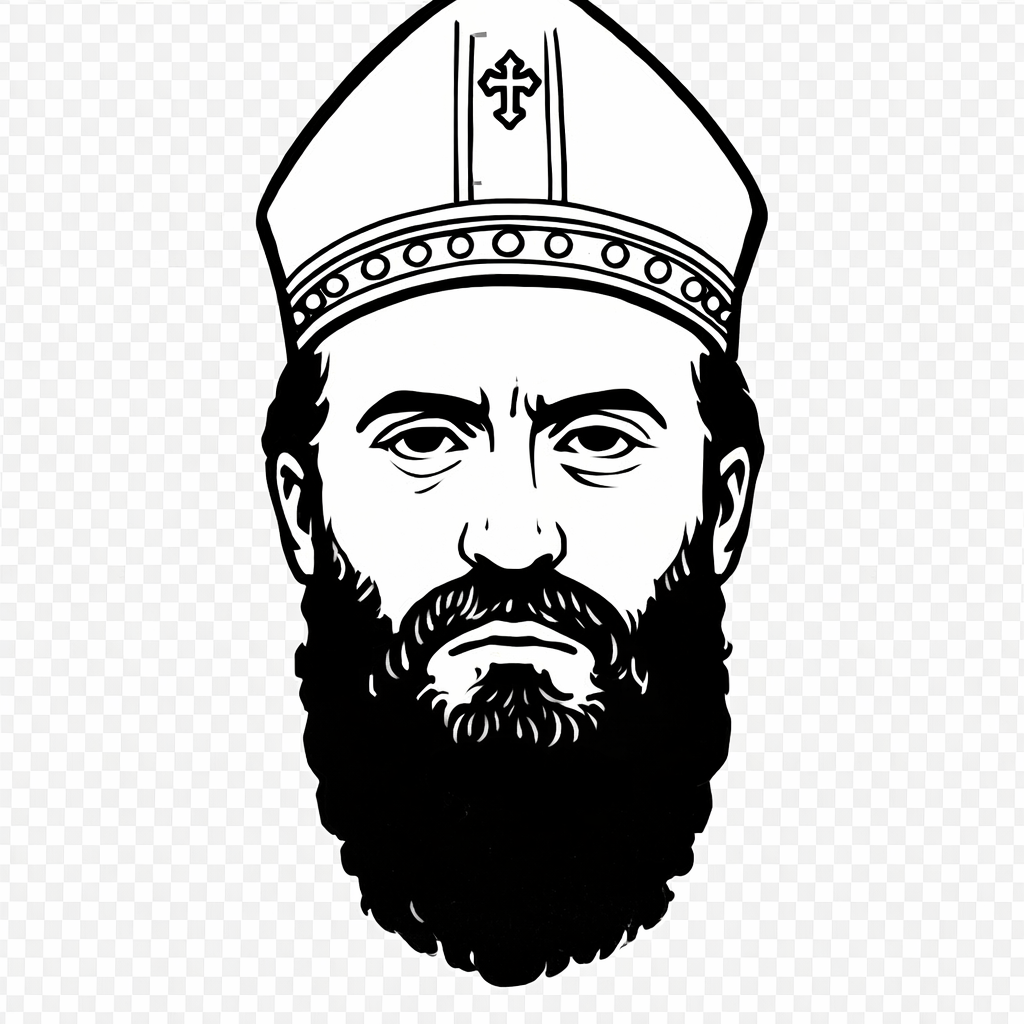
The background
- Nationality:
- Italian
- Schools:
- Benedictine
- Branchs:
- Theology, Canon Law, Monasticism
- Period:
- 11th century
The synopsis
Lanfranc (c. 1005/1010 – 24 May 1089) was an Italian-born English churchman, monk, and scholar. Born in Pavia, he later moved to Normandy to become a Benedictine monk at Bec Abbey. He served successively as prior of Bec Abbey and abbot of St Stephen's Abbey in Caen, Normandy. After the Norman Conquest of England by William the Conqueror, Lanfranc became the Archbishop of Canterbury. He was regarded in his lifetime as the greatest theologian of his generation. His early education was in the liberal arts, and he later became a renowned teacher, attracting students from across Europe. He famously defended the doctrine of transubstantiation against Berengar of Tours, playing a key role in church councils. As Archbishop, Lanfranc was instrumental in reorganizing the English Church, navigating disputes between Canterbury and York, and supporting William the Conqueror's reforms. He also acted as regent of England during William's absences. Lanfranc's influence extended to secular affairs, where he helped quell a rebellion and secured the succession for William Rufus. He is commemorated as a 'Blessed' in the Catholic Church and in the Church of England.
The works
The Commentary on the Epistles of St. Paul
De corpore et sanguine Domini