The Philosopher
Lady Anne Finch Conway
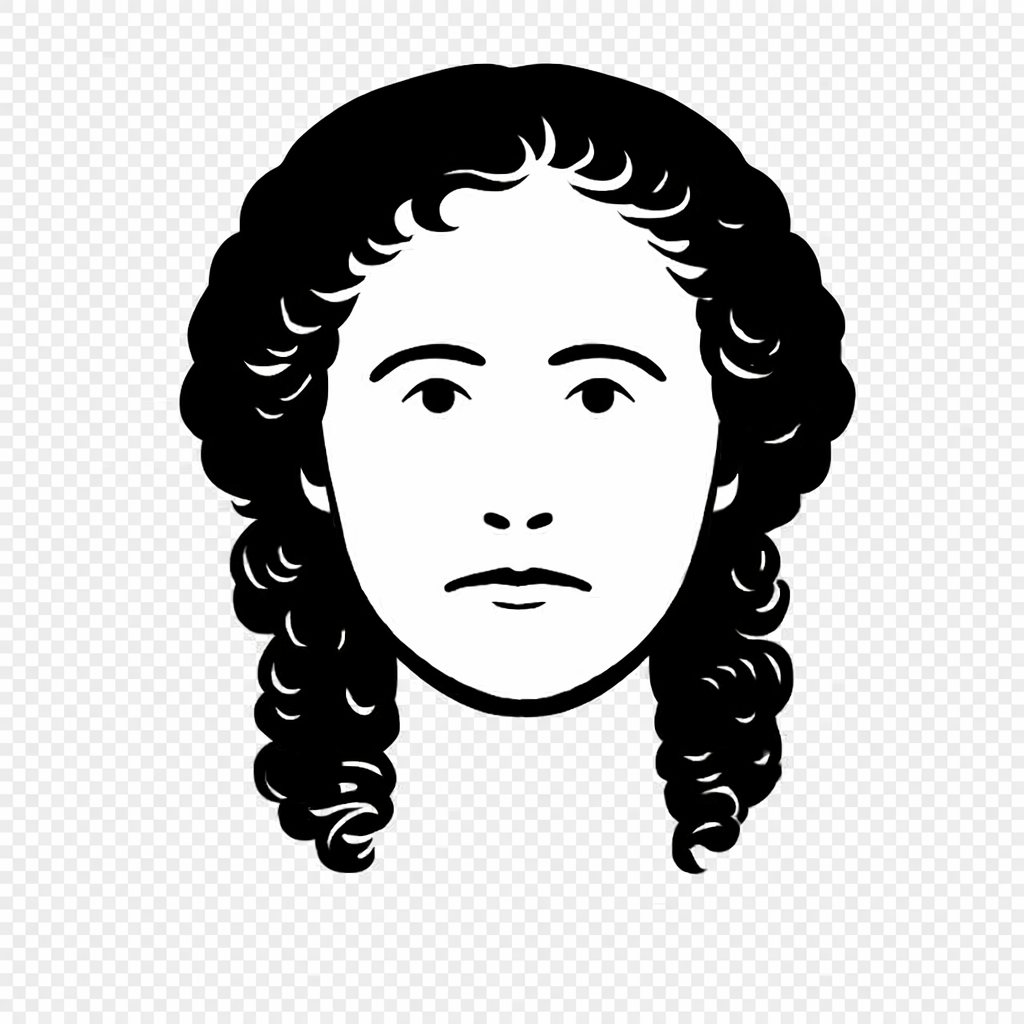
The face
The background
- Nationality:
- English
- Schools:
- Cambridge Platonists, Rationalist
- Branchs:
- Metaphysics, Monism
- Period:
- 17th century
The synopsis
Anne Conway, born Anne Finch, was a significant English philosopher of the seventeenth century, operating within the tradition of the Cambridge Platonists. Her philosophical thought is characterized by a deeply original form of rationalism. Conway notably challenged the prevailing Cartesian substance dualism, proposing instead a monistic view of reality where nature is constituted by a single substance. Contrary to the mechanistic philosophies of her era, she argued that matter is not inert but possesses inherent vitality, self-motion, and perception. Her magnum opus, "The Principles of the Most Ancient and Modern Philosophy" (written around 1677 and published posthumously in 1690), elaborates on her theory of substance monism and vitalism. In this work, she posits that all matter is imbued with life and consciousness, rejecting the Cartesian dichotomy of mind and body. Conway structured her philosophy around three levels of being: God, Christ, and "Creatures," distinguishing them by their capacity for change and perfectibility. She emphasized the interconnectedness of all life, asserting that it fundamentally consists of the same substance. Her concept of continuous divine creation was rooted in God's infinite goodness and power. The book was initially published in Latin and later translated back into English. Conway's intellectual journey was influenced by her half-brother, John Finch, who introduced her to the Cambridge Platonist Henry More. Their extensive correspondence allowed Conway to mature from an informal pupil to an intellectual peer of More, who greatly admired her intellect. Beyond her philosophical pursuits, Conway experienced lifelong suffering from severe migraines, which confined her to her home and may have influenced her spiritual and philosophical explorations. She eventually converted to Quakerism, finding parallels between its beliefs and those of Lurianic Kabbalah. Her life also involved extensive consultation with prominent physicians of her time in search of a cure for her ailments, none of whom were successful. Conway's work had a historical impact, notably influencing Gottfried Leibniz, and she is recognized by some as "England's greatest female philosopher."
The works
The Principles of the Most Ancient and Modern Philosophy
Principia philosophiae antiquissimae et recentissimae