The Philosopher
Kurt Grelling
The face
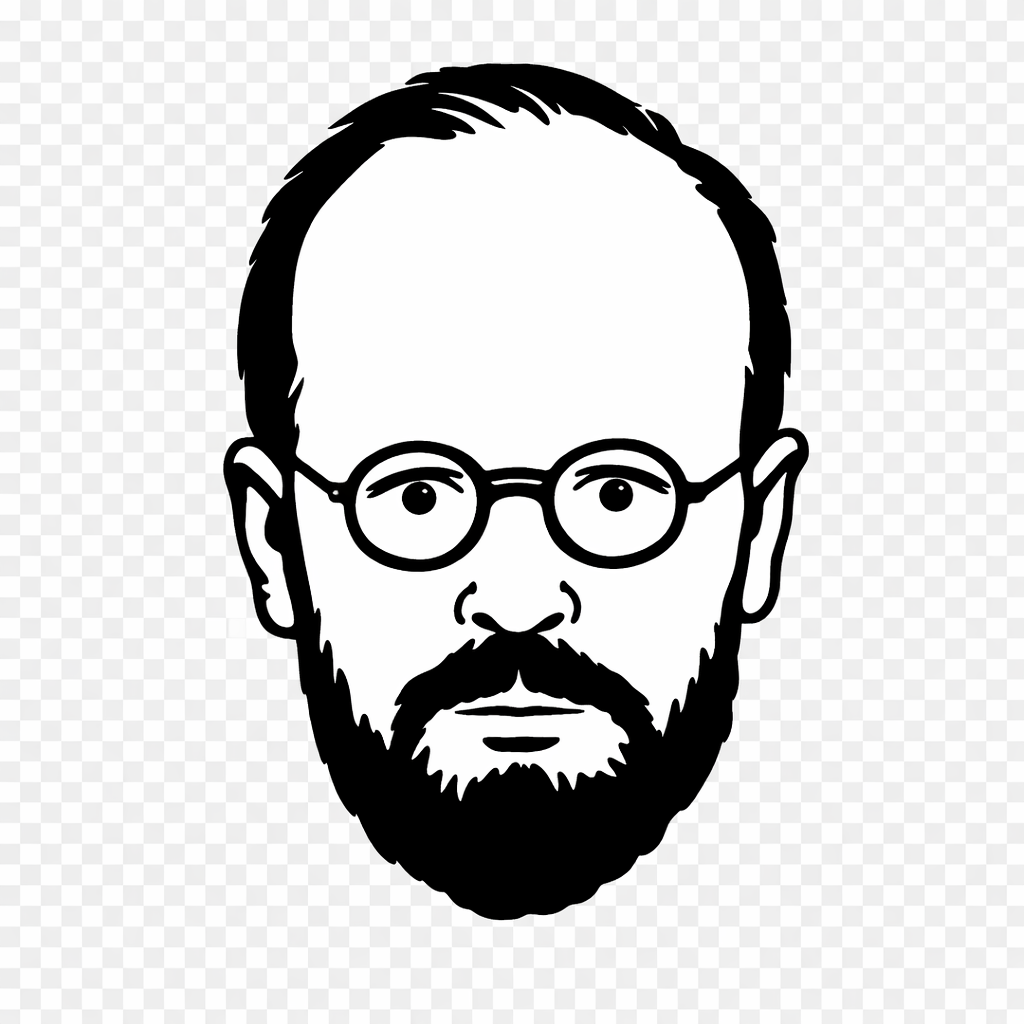
The background
- Nationality:
- German
- Schools:
- Analytic philosophy, Berlin Circle, Positivism
- Period:
- 20th-century philosophy
The synopsis
Kurt Grelling was a German logician and philosopher, born on March 2, 1886, in Berlin. His parents were Jewish. He began his academic journey at the University of Göttingen, where he collaborated with Leonard Nelson on Russell's paradox, contributing new paradoxes, including the one named after them, the Grelling–Nelson paradox. Grelling earned his PhD in mathematics in 1910, with his dissertation focusing on arithmetic and axiomatic set theory, under the advisement of David Hilbert. He also worked as a translator for Bertrand Russell's works. From 1911 to 1922, he published journalistic articles for the Social Democratic Party of Germany. Later, his publications focused on positivist philosophy. Despite difficulties finding a university position, he taught mathematics, philosophy, and physics in secondary schools and was actively involved with the Berlin Circle, collaborating with Hans Reichenbach. The Nazi regime forced him to retire in 1933, but he continued his efforts to keep the Circle active. Grelling also defended Gödel's first incompleteness theorem against misinterpretations. In 1937, he moved to Brussels to work with Paul Oppenheim on scientific explanation and Gestalt psychology. In 1940, during the German invasion of Belgium, he was arrested and interned in southern France. Despite efforts to secure a visa for him to the United States, he and his wife were deported to Auschwitz in September 1942, where they were murdered.
The works
Bemerkungen zu den Paradoxien von Russell und Burali-Forti
Die Axiome der Arithmetik mit besonderer Berücksichtigung der Beziehungen zur Mengenlehre
Anti-J'accuse. Eine deutsche Antwort
Gibt es eine Gödelsche Antinomie?