The Philosopher
Kuno Fischer
The face
The background
- Nationality:
- German
- Schools:
- Hegelianism, Neo-Kantianism
- Branchs:
- Metaphysics, History of philosophy, German literature
- Period:
- 19th-century philosophy
The synopsis
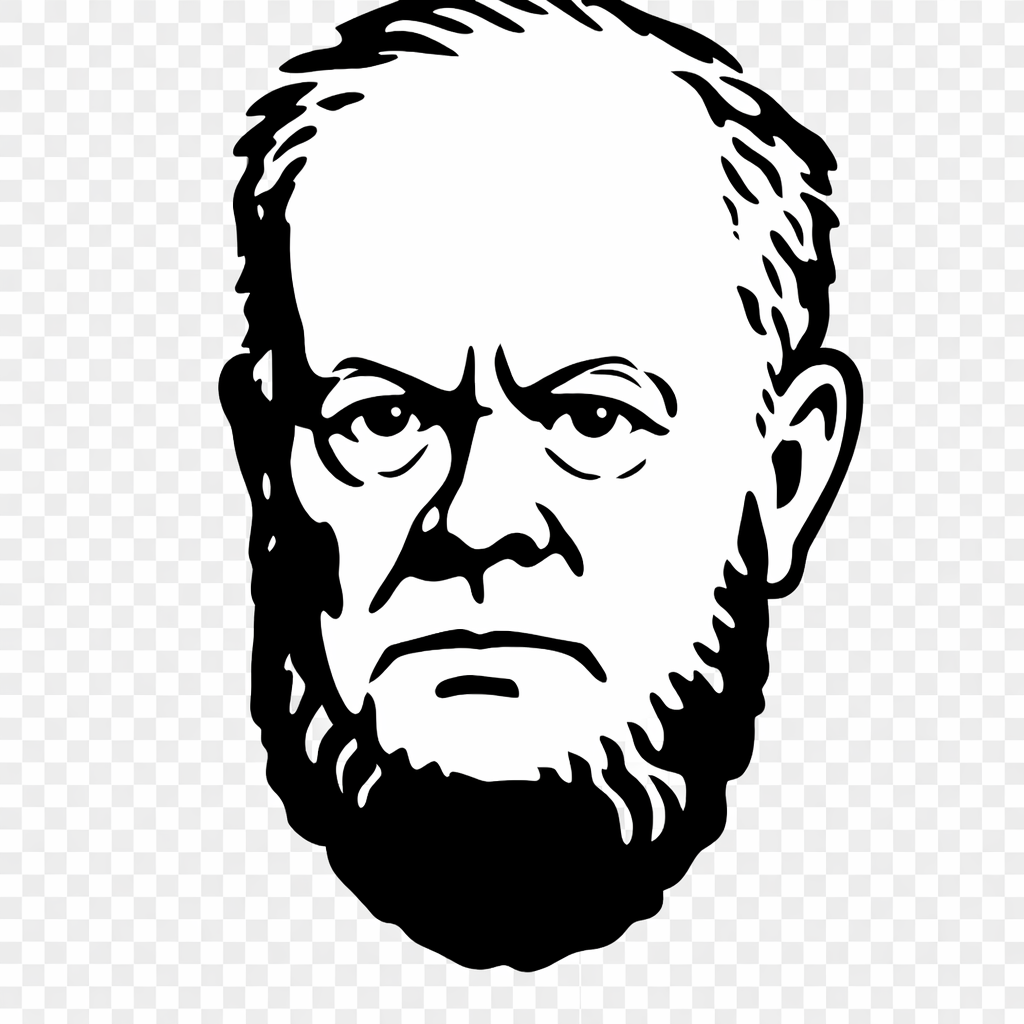
Ernst Kuno Berthold Fischer (23 July 1824 – 5 July 1907) was a German philosopher and historian of philosophy. After studying philosophy at Leipzig and Halle, he became a Privatdozent at Heidelberg in 1850. The Baden government laid an embargo on his teaching in 1853 due to his liberal ideas, but this garnered sympathy. In 1856, he obtained a professorship at Jena, where he gained influence. In 1872, he succeeded Eduard Zeller as professor of philosophy and the history of modern German literature at Heidelberg. Fischer was a brilliant lecturer known for clear exposition. His fame rests on his work as a historian and commentator of philosophy. Initially a follower of the Hegelian school, his interpretation of Kant influenced the "return to Kant" movement. His contributions also include the distinction between empiricism and rationalism in categorizing philosophers, although this has been questioned in modern times.
The works
Moderne Sophisten
De Parmenide Platonico
Diotima. Die Idee des Schönen
System der Logik und Metaphysik oder Wissenschaftslehre
Das Interdict meiner Vorlesungen
Geschichte der neuern Philosophie
Franz Baco von Verona
Schiller als Philosoph
Kants Leben und die Grundlagen seiner Lehre
Akademische Reden: J. G. Fichte; Die beiden Kantischen Schulen in Jena
Lessings “Nathan der Weise”
Baruch Spinozas Leben und Charakter
System der reinen Vernunft auf Grund der Vernunftkritik
Shakespeares Charakterentwickelung Richards III
Über die Entstehung und die Entwickelungsformen des Witzes
Schellings Leben, Werke und Lehre
Kritik der Kantischen Philosophie
Goethe-Schriften
Kleine Schriften
Schiller-Schriften
Philosophische Schriften
Hegels Leben und Werke