The Philosopher
Konstantin Aksakov
The face
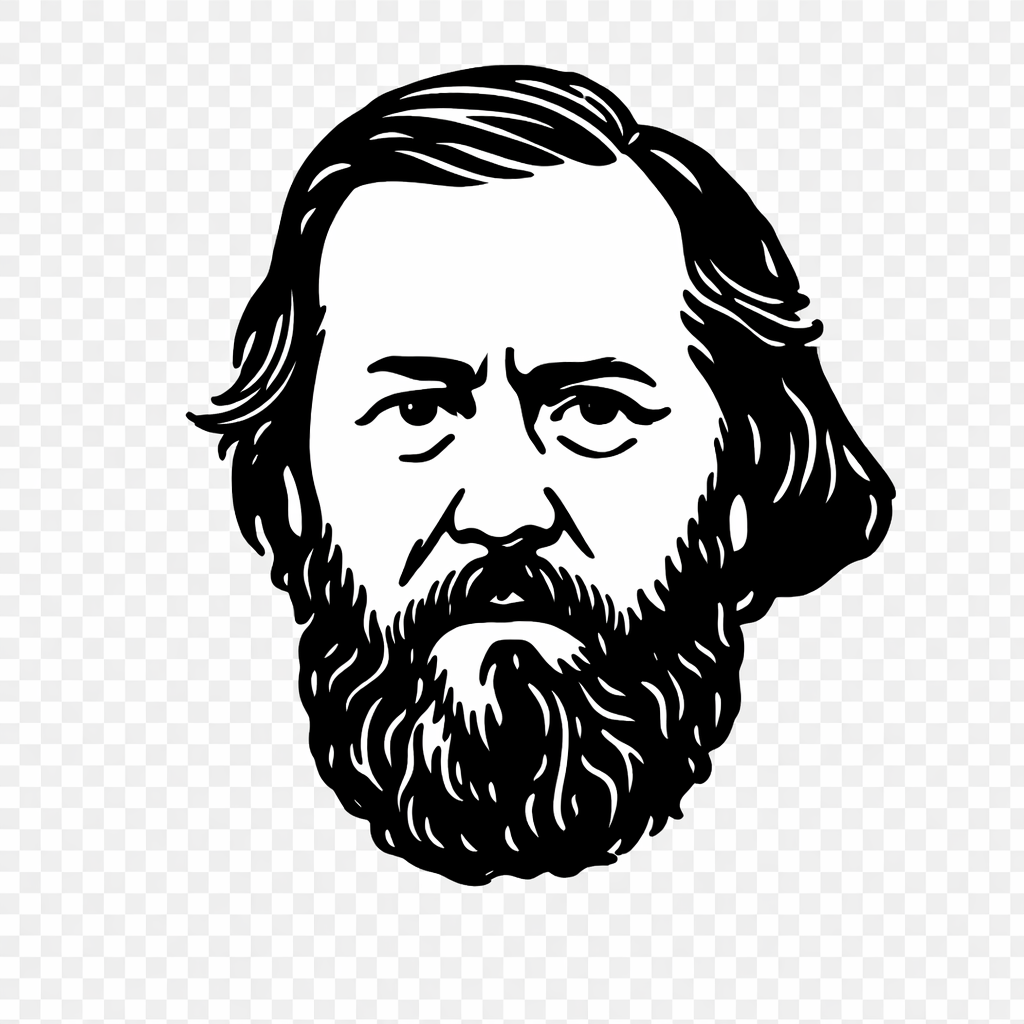
The background
- Nationality:
- Russian
- Schools:
- Slavophilism, Hegelianism
- Branchs:
- Criticism, Social Criticism, History, Linguistics
- Period:
- 19th century
The synopsis
Konstantin Sergeyevich Aksakov (10 April 1817 – 19 December 1860) was a Russian critic and writer. He became one of the earliest and most notable Slavophiles. He wrote plays, social criticism, and histories of the ancient Russian social order. His father Sergey Aksakov and his sister Vera Aksakova were writers, and his younger brother, Ivan Aksakov, was a journalist. Aksakov was born into a family of prominent Russian writer Sergey Timofeevich Aksakov and his wife Olga Semyonovna Zaplatina. Aksakov was raised on a country estate before he moved to Moscow with his family. He remained with his parents his entire life, without ever marrying or moving out of the house. He studied at Moscow State University, and he became a member of the Stankevitch Circle, a group of Russian Hegelians and early believers of Russian democracy. Aksakov eventually made the acquaintance of Ivan Kireyevsky and Aleksey Khomyakov, adopted their philosophy of Slavophilism and broke off all contact with the Stankevitch Circle. Aksakov's thesis on Mikhail Lomonosov (1846) attempted to synthesize his view of the Russian peasant's religious and historical mission with Hegel's philosophy. Aksakov influenced Alexander III, giving him his radical understanding that the "mission of autocracy in Russia is to give a certain well-being to the peasants." Later in his career, Aksakov abandoned Hegelian philosophy and became radically anti-European.
The works
Несколько слов о поэме Гоголя: Похождения Чичикова, или мертвые души
Thesis on Mikhail Lomonosov
Note on the internal condition of Russia