The Philosopher
Kim Chŏnghŭi
The face
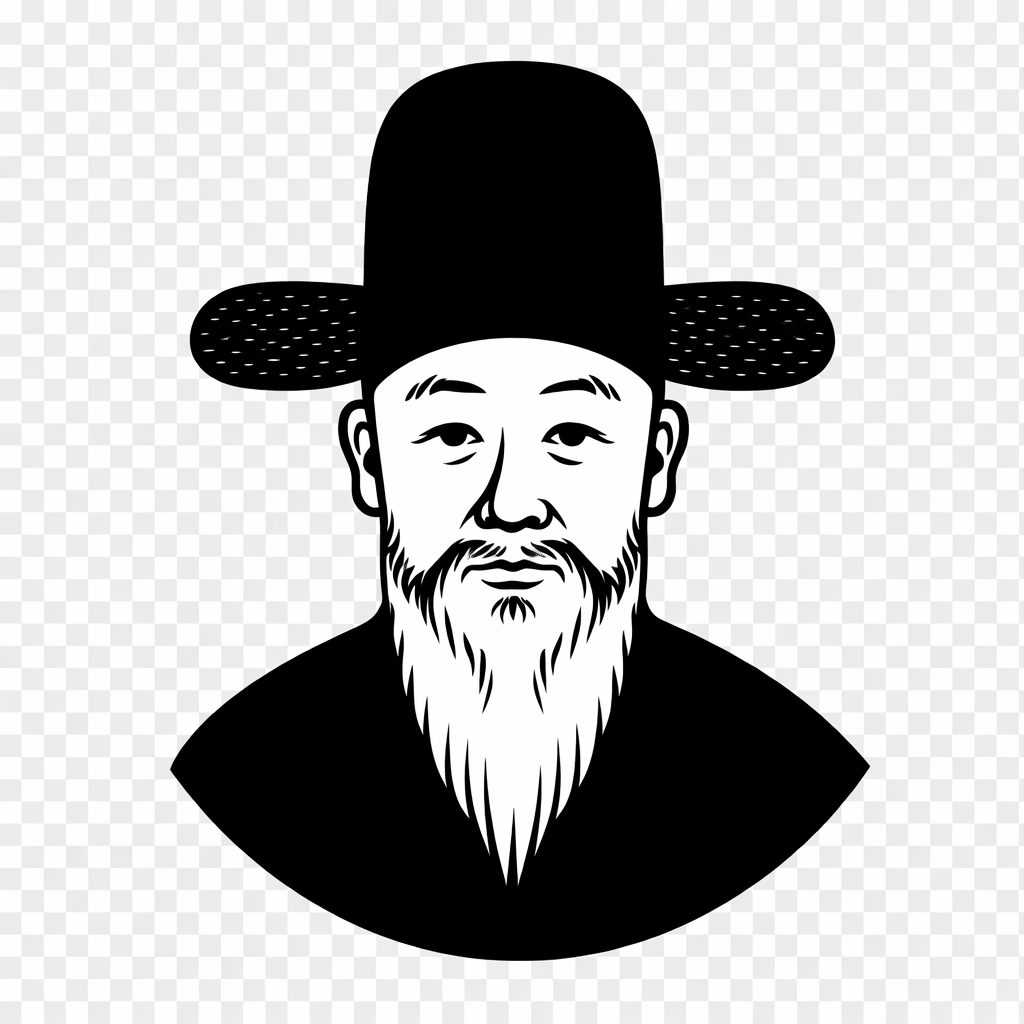
The background
- Nationality:
- Korean
- Schools:
- Silhak, Bukhak, Neo-Confucianism
- Branchs:
- Epigraphy, Documentary history, Calligraphy, Ink painting, Prose, Poetry
- Period:
- Later Joseon period
The synopsis
Kim Chŏnghŭi (1786–1856) was a distinguished figure in Korea's later Joseon period, recognized for his expertise as an epigraphist, scholar, and calligrapher. He is particularly lauded for revolutionizing Korean epigraphy and for developing the distinctive 'Chusa-che' writing style, which was inspired by his studies of ancient Korean and Chinese inscriptions. His ink paintings, especially those of orchids, are also highly esteemed. Kim was associated with the Silhak (Practical Learning) school, also known as Bukhak (Northern Learning). His familial connections included Queen Jeongsun, and he was distantly related to King Gojong. Heungseon Daewongun, King Gojong's father and a notable calligrapher himself, was briefly among his pupils. Kim's life was marked by significant events, including periods of exile. During his exile on Jeju Island from 1840 to 1849, he refined his calligraphic style. His notable work 'Sehando' was created during this period. He also maintained a close relationship with the Buddhist monk Cho-ui. Kim's scholarly interests extended to documentary history and monumental inscriptions, and he engaged in correspondence with prominent Chinese scholars. His influence on Korean scholars of his time was considerable, and he is remembered for his multifaceted achievements in calligraphy, painting, prose, and poetry.
The works
Chusa-che
Sehando
Wandang Cheokdok (Letters)
Damyeon Jaesigo (Poems)
Wandangjip (Collected Writings)
Wandang Seonsaeng Jeonjip (Complete Works)