The Philosopher
Karol Wojtyła
The face
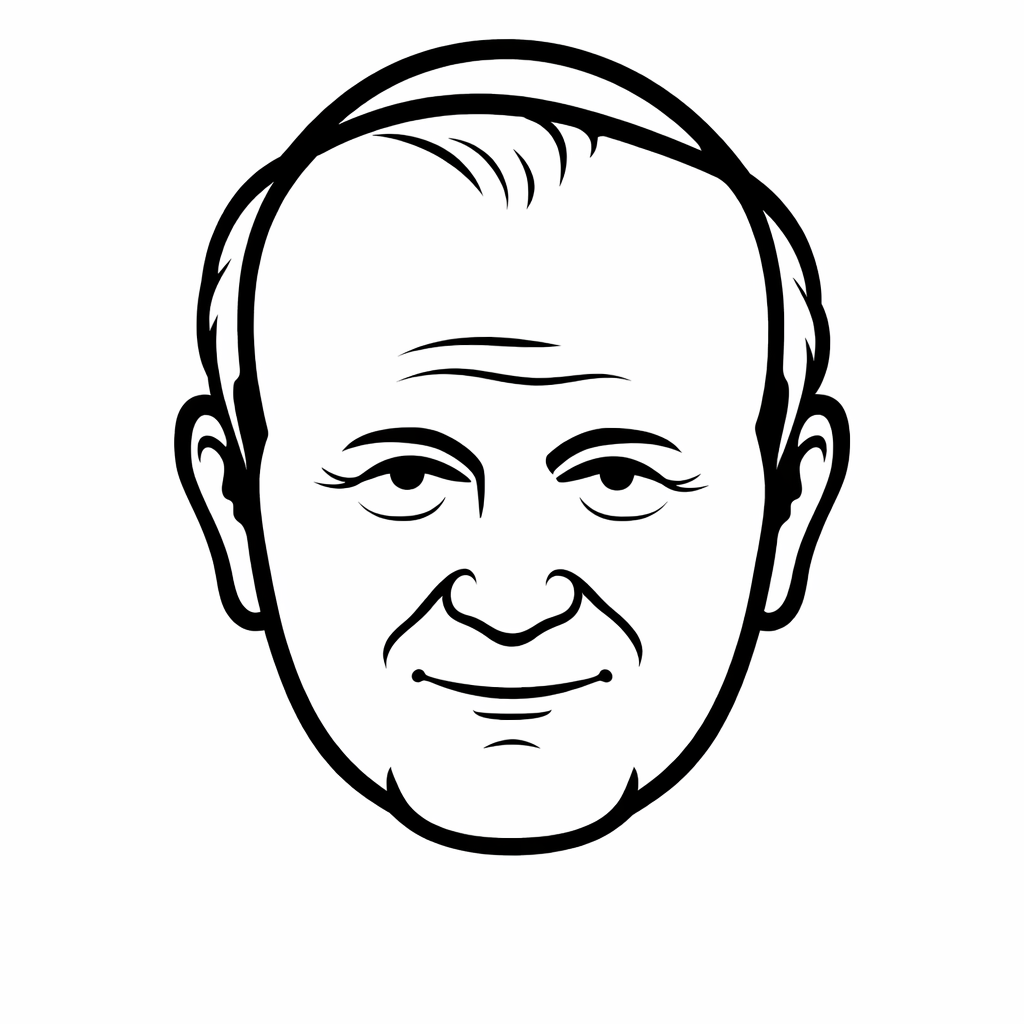
The background
- Nationality:
- Polish
- Schools:
- Personalism, Lublin Thomism, Thomism
- Branchs:
- Catholic Church
- Period:
- 20th-century philosophy
The synopsis
Pope John Paul II (born Karol Józef Wojtyła; 18 May 1920 – 2 April 2005) was head of the Catholic Church and sovereign of Vatican City from 16 October 1978 until his death in 2005. He was the first non-Italian pope since Adrian VI in the 16th century, and the third-longest-serving pope in history. In his youth, Wojtyła dabbled in stage acting and graduated from high school in Wadowice, Poland, in 1938. During World War II, he worked in harsh conditions to avoid being sent to a German forced labour camp. He eventually took up acting and developed a love for the profession. Encouraged by Cardinal Adam Stefan Sapieha, he studied theology and became a priest. Wojtyła rose to the position of Archbishop of Kraków and then a cardinal. He was elected pope on 16 October 1978, adopting the name John Paul II. He attempted to improve relations between Christian communities and other religions, viewing atheism as the greatest threat. He maintained the Church's positions on abortion, artificial contraception, the ordination of women, and a celibate clergy. He was one of the most-travelled world leaders, visiting 129 countries. He beatified 1,344 people and canonised 483 saints. He died on 2 April 2005 and was succeeded by Pope Benedict XVI. John Paul II has been credited with fighting against dictatorships and helping to end communist rule in Poland and Europe. He was proclaimed venerable in 2009, beatified in 2011, and canonised in 2014.
The works
Love and Responsibility
Theology of the Body
1983 Code of Canon Law
Catechism of the Catholic Church
Code of Canons of the Eastern Churches
Fides et ratio
Memory and Identity