The Philosopher
Karol Libelt
The face
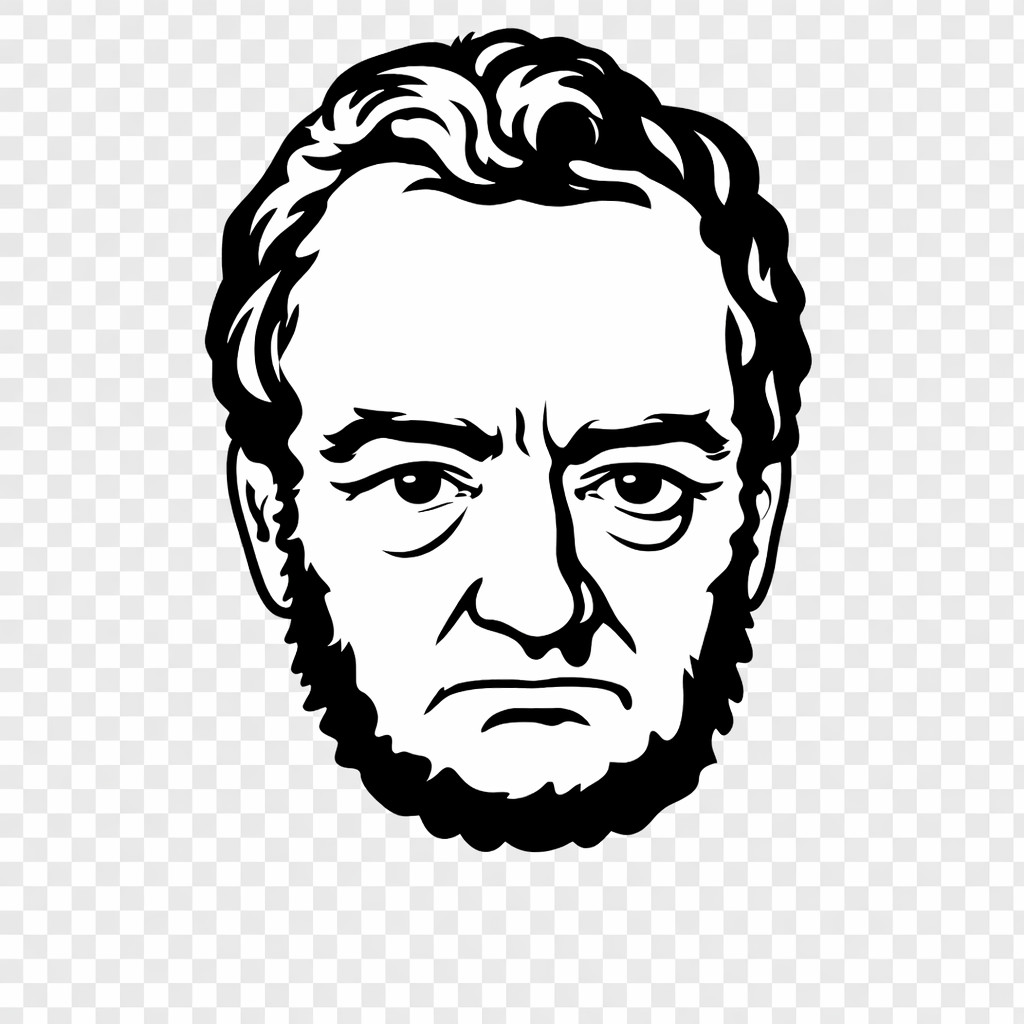
The background
- Nationality:
- Polish
- Branchs:
- Aesthetics
- Period:
- 19th-century
The synopsis
Karol Libelt (born April 8, 1807, Poznań, South Prussia, Kingdom of Prussia – died June 9, 1875, Brdowo, Province of Posen, German Empire) was a Polish philosopher, writer, political and social activist, social worker, and a liberal, nationalist politician. He served as the president of the Poznań Society of Friends of Learning. Libelt was actively involved in Polish national uprisings, participating in the November Uprising (1830) and the Greater Poland Uprising of 1846, which led to his imprisonment. After being amnestied in 1848, he continued his political and social work, taking part in the Greater Poland Uprising of 1848 and joining organizations focused on Polish independence. He was also a member of the Frankfurt Parliament and the Prussian parliament. In his philosophical work, Libelt explored Polish messianism and the concept of a super-rational cognitive power manifested in art. He is notably recognized for popularizing the term 'intelligentsia' in his book *Filozofia i krytyka*. He also headed the Society of Friends of the Sciences in Posen and lectured on aesthetics.
The works
Filozofia i krytyka
Estetyka
Umnictevo
Dziela
Zbior pism pomniejszych
Dziewica Orléanska
Humor i pravada