The Philosopher
Karl von Prantl
The face
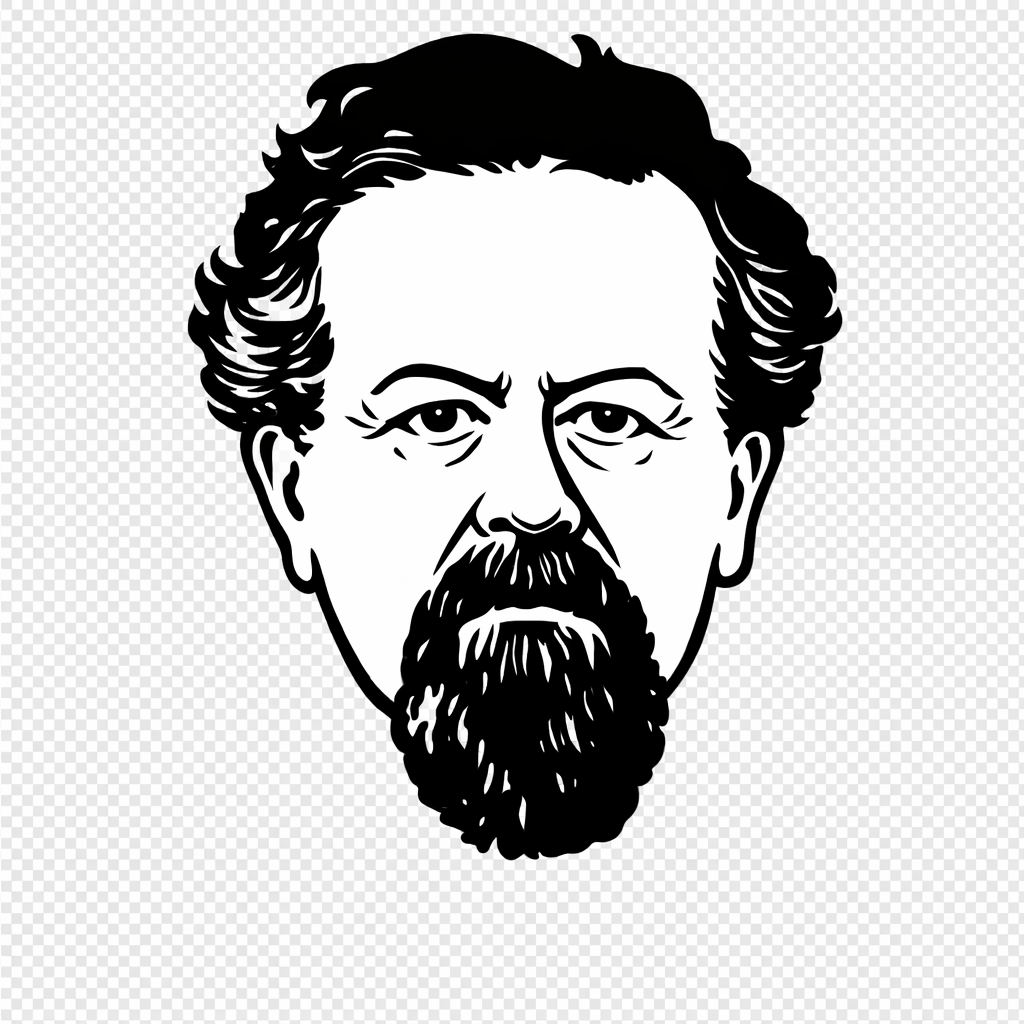
The background
- Nationality:
- German
- Schools:
- Hegelianism
- Period:
- 19th century
The synopsis
Karl von Prantl (28 January 1820 – 14 September 1888), also known as Carl von Prantl, was a notable German philosopher and philologist. Born in Landsberg am Lech, he pursued his academic career in Munich, where he earned his doctorate in philosophy in 1843 and later became a professor at Munich Observatory in 1859. His philosophical views were strongly aligned with the Hegelian tradition, which he actively defended and expanded upon in his publications such as "Die gegenwärtige Aufgabe der Philosophie" (1852) and "Verstehen und Beurteilen" (1877). In these works, Prantl emphasized the philosophical concept of the identity of the subjective and the objective within consciousness, highlighting this unity as a uniquely human perception. Beyond his philosophical work, Prantl made significant contributions as a commentator and scholar, particularly in his extensive studies of Aristotle. His notable works on Aristotle include "Aristoteles über die Farben" (1849) and "Aristoteles acht Bücher der Physik" (1857). His most renowned work, however, is the comprehensive "Geschichte der Logik im Abendlande" (History of Logic in the West), published in four volumes between 1855 and 1870. This monumental work was highly regarded and acknowledged for its assistance by contemporaries like Christoph von Sigwart in his own "Logic." Prantl passed away in Oberstdorf at the age of 68.
The works
Die gegenwärtige Aufgabe der Philosophie
Verstehen und Beurteilen
Aristoteles über die Farben
Aristoteles acht Bücher der Physik
Geschichte der Logik im Abendlande
Die Philosophie in den Sprichwörtern