The Philosopher
John Wyclif
The face
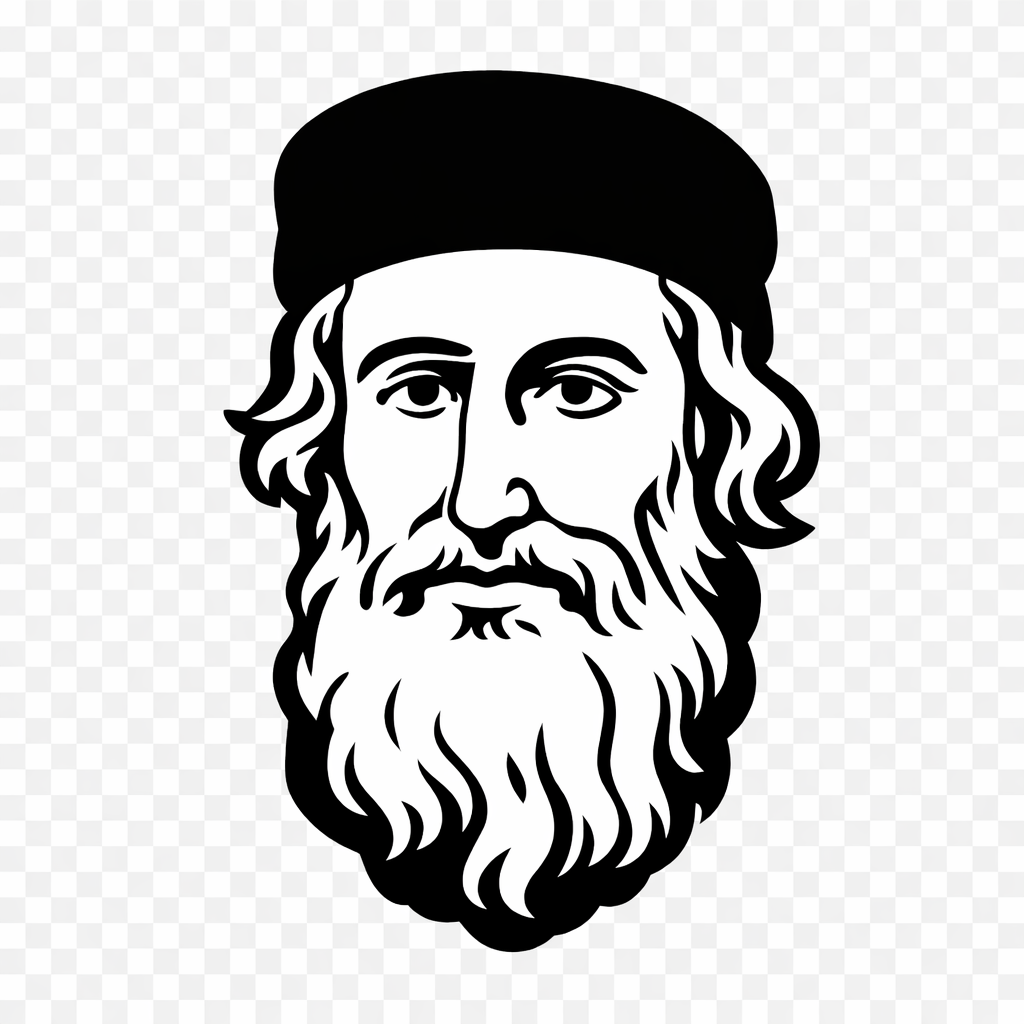
The background
- Nationality:
- English
- Schools:
- Scholasticism
- Branchs:
- Theology
- Period:
- Medieval philosophy
The synopsis
John Wycliffe (c. 1328–1384) was an English scholastic philosopher, Christian reformer, Catholic priest, and theology professor at the University of Oxford. Traditionally, he is credited with advocating for a vernacular translation of the Vulgate Bible into Middle English, though recent scholarship questions the extent of his direct involvement. Wycliffe is seen as an influential dissident within the Catholic Church and a significant predecessor to Protestantism. His political-theological theory of *dominion* posited that the church should not own property or have ecclesiastic courts, and that individuals in mortal sin were not entitled to exercise authority or own property. This led to his insistence on the radical poverty of all clergy. Wycliffe is often characterized as the "evening star" of scholasticism and the "morning star" of the English Reformation. His followers, derogatorily known as Lollards, adopted many of his beliefs, impacting subsequent religious reform movements, notably influencing Jan Hus in Bohemia. Wycliffe's life involved significant conflicts with the Church and State, leading to his condemnation by the Council of Constance and the posthumous burning of his remains.
The works
The Last Age of the Church (attributed)
De Logica
De Universalibus
De Dominio Divino
De Mandatis Divinis
De Statu Innocencie
De Civili Dominio
Responsio
De veritate sacrae scripturae
On the Pastoral Office
De apostasia
De Eucharistia
Objections to Friars
Trialogus
De Officio Regis
De incarcerandis fidelibus
Opus evangelicum
Wycliffe's Bible (attributed)