The Philosopher
John Adams
The face
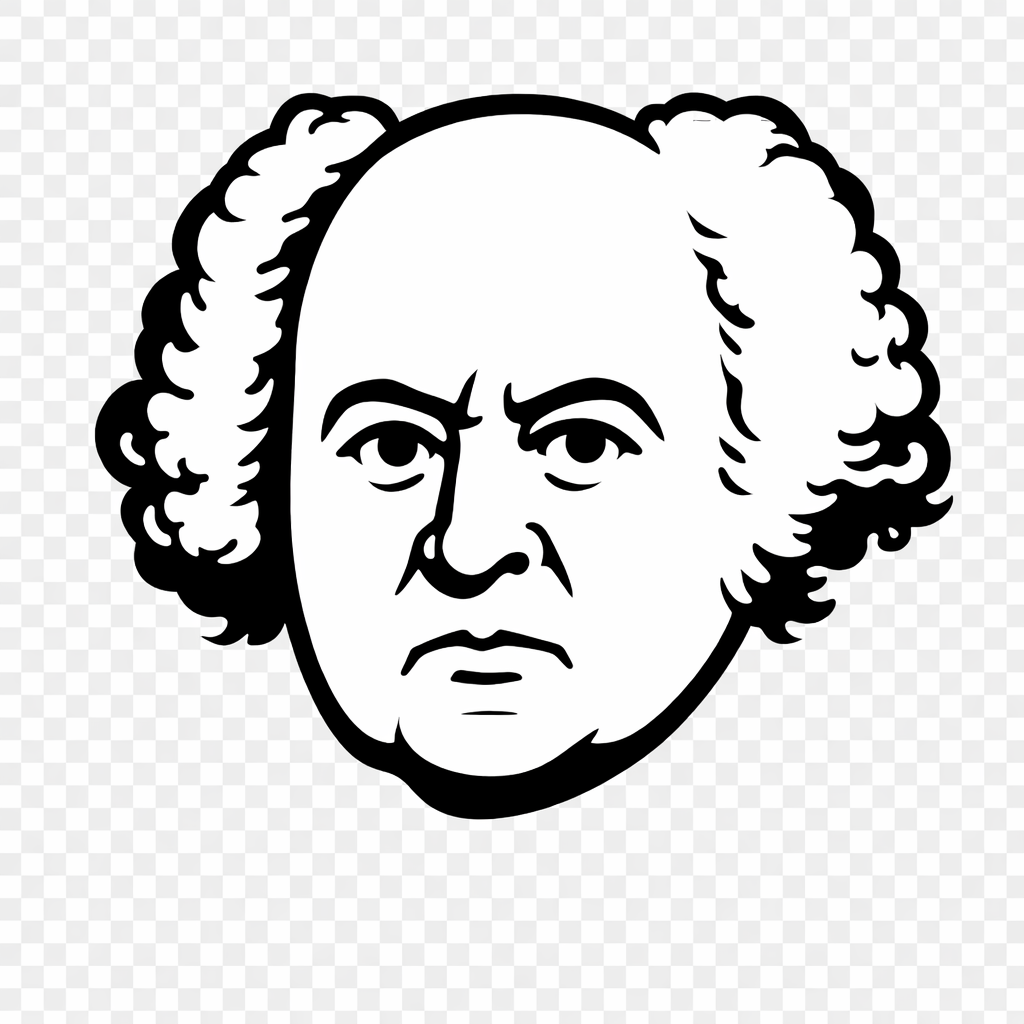
The background
- Nationality:
- American
- Schools:
- Federalist Party
- Branchs:
- Political philosophy, Constitutional law, Diplomacy
- Period:
- Founding Fathers
The synopsis
John Adams (October 30, 1735 – July 4, 1826) was a Founding Father, the second president of the United States (1797–1801), and the first vice president of the United States (1789–1797). A leader of the American Revolution that achieved independence from Great Britain, Adams also served as a senior diplomat in Europe during the latter part of the Revolutionary War and in the early years of the new nation. He was a lawyer and political activist prior to the Revolution, devoted to the right to counsel and presumption of innocence. Adams was a Massachusetts delegate to the Continental Congress and a leader of the revolution. He assisted Jefferson in drafting the Declaration of Independence in 1776 and was its primary advocate in Congress. As a diplomat, he represented the United States in France and the Netherlands during the war. He helped negotiate the peace treaty with Great Britain, secured Dutch loans for the American government, and was the first United States ambassador to Great Britain. Adams was the primary author of the Massachusetts Constitution in 1780, which, with his other political writings, influenced the United States Constitution. Adams's term as president was dominated by the issue of the French Revolutionary Wars, and his insistence on American neutrality led to fierce criticism from both the Jeffersonian Republicans and from some in his own party. Adams signed the controversial Alien and Sedition Acts and built up the Army and Navy in an undeclared naval war with France. He was the first president to reside in the White House.
The works
Thoughts on Government
Massachusetts Constitution
A Defence of the Constitutions of Government of the United States of America