The Philosopher
Jan Patočka
The face
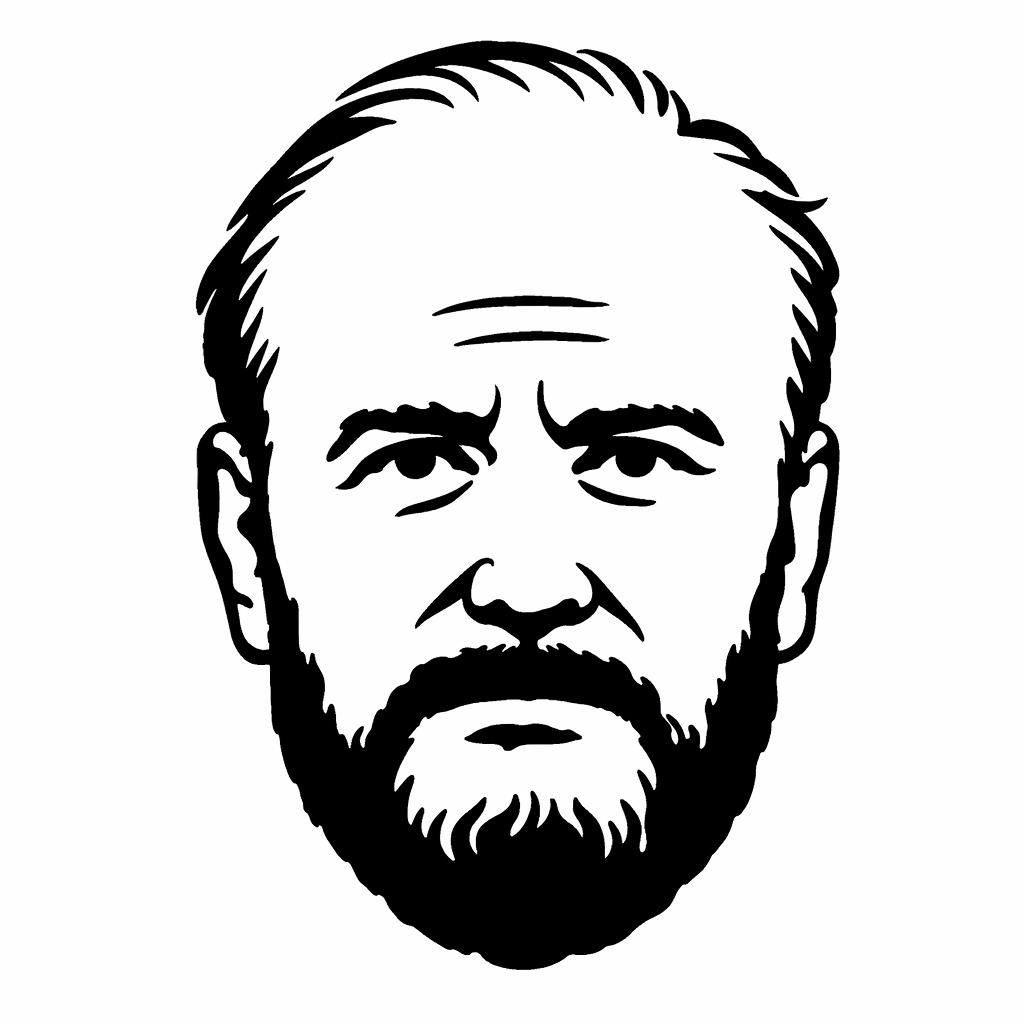
The background
- Nationality:
- Czech
- Schools:
- Continental philosophy, Phenomenology, Asubjective phenomenology, Existential phenomenology, Negative Platonism
- Branchs:
- Phenomenology, Existential phenomenology, Aesthetics, Anthropology, Ethics, Philosophy of history, Metaphysics, metaphilosophy, Political philosophy, spirituality
- Period:
- 20th-century philosophy
The synopsis
Jan Patočka (1 June 1907 – 13 March 1977) was a Czech philosopher. Educated in Prague, Paris, Berlin, and Freiburg, he was among the last students of Edmund Husserl and Martin Heidegger. Patočka's academic career in Czechoslovakia was largely hampered by political persecution due to his refusal to join the Communist Party. He was banned from teaching for extended periods and most of his work circulated in typescript among students. Despite this, he became a key figure in existential phenomenology, contributing original theories such as the 'three movements of human existence'. He also delved into the history of philosophy, particularly Greek thought, and its relation to European identity. Patočka's later work focused on the idea of Europe, culminating in his 'Heretical Essays in the Philosophy of History'. In January 1977, he became a signatory and prominent spokesperson for Charter 77, a human rights movement. His activism led to increased police interrogation and ultimately contributed to his death from apoplexy shortly after his release from police custody.
The works
The Natural World as a Philosophical Problem
Body, Community, Language, World
Plato and Europe
Heretical Essays in the Philosophy of History
Die Philosophy der Erziehung des J.A. Comenius (Comenius's Philosophy of Education)
Two Studies on Masaryk
Wars of the Twentieth Century and the Twentieth Century as War
Jan Patocka: Philosophy and Selected Writings
An Introduction to Husserl's Phenomenology
The Natural World as a Philosophical Problem.
The Selected Writings of Jan Patočka