The Philosopher
Ivan Sechenov
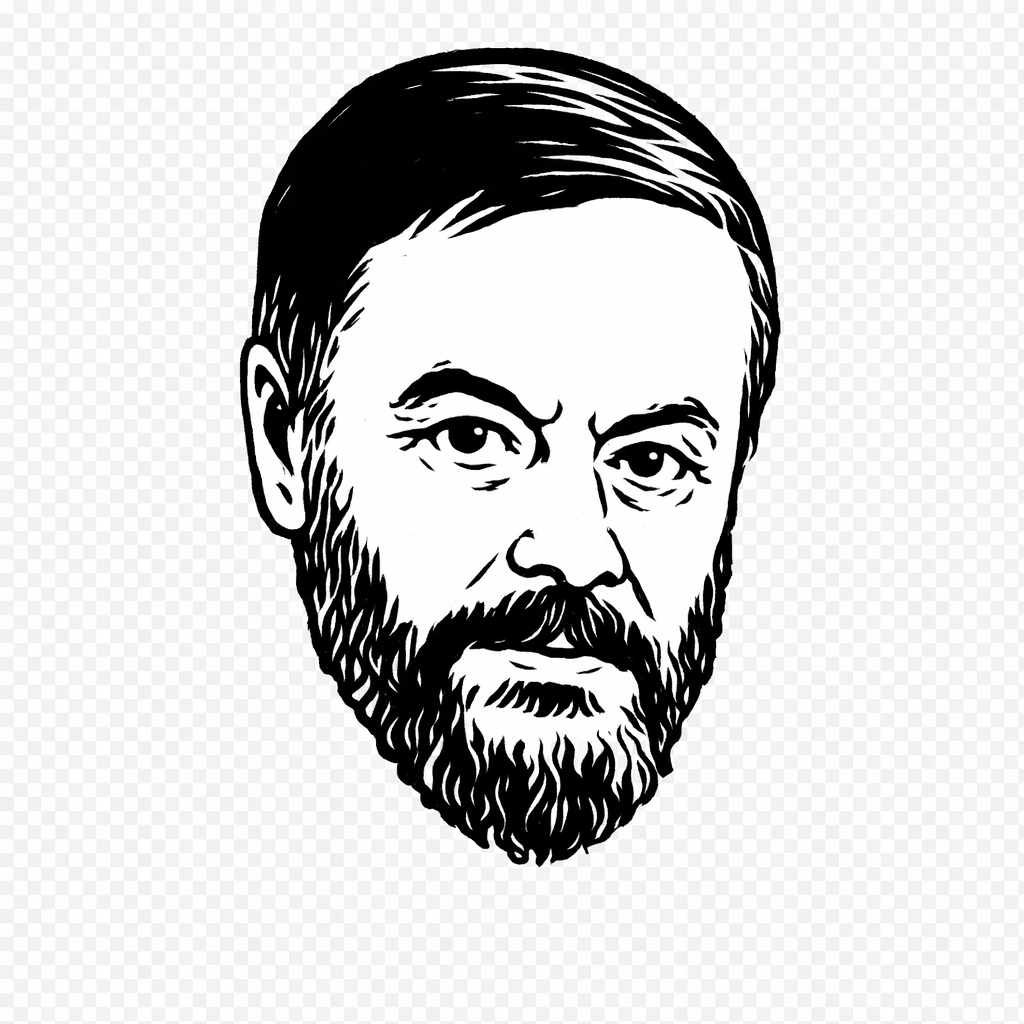
The face
The background
- Nationality:
- Russian
- Schools:
- Objectivism, Materialism
- Branchs:
- Physiology, Neurophysiology, Psychology, Electrophysiology, Chemistry
- Period:
- 19th century
The synopsis
Ivan Mikhaylovich Sechenov (1829–1905) was a pivotal Russian figure in physiology and psychology. Born in Tyoply Stan, he received a comprehensive education, culminating in an M.D. from Moscow University. His early career involved advanced studies in Europe under leading scientists like Johannes Müller and Hermann von Helmholtz. Sechenov held professorships at several prestigious institutions, including the Imperial Military Medical Academy and St. Petersburg University, where he established the first Russian school of physiology. His scientific contributions were vast, focusing on neurophysiology, demonstrating the link between brain activity and electrical currents, and discovering the cerebral inhibition of spinal reflexes. He also emphasized the importance of chemical factors in cellular environments. Sechenov's work, particularly his book "Reflexes of the Brain," introduced electrophysiology to neurophysiology and influenced generations of scientists. He often faced conflict with the tsarist government due to his progressive and materialistic views. Sechenov's legacy is cemented by his foundational work in physiology, behavior, and his push for objective methods in psychology, significantly impacting figures like Ivan Pavlov and Vladimir Bekhterev.
The works
Materials on future of physiology
On animal electricity
Reflexions of the brain
Physiology of the nervous system
Who should and How to develop Psychology
The Physiological Criteria of the Length of the Working Day
Participation of the Nervous System in Man's Working Movements
Participation of the Senses and Manual dexterity in Sighted and Blind Persons
Essay on Man's Working Movements