The Philosopher
Irving Kristol
The face
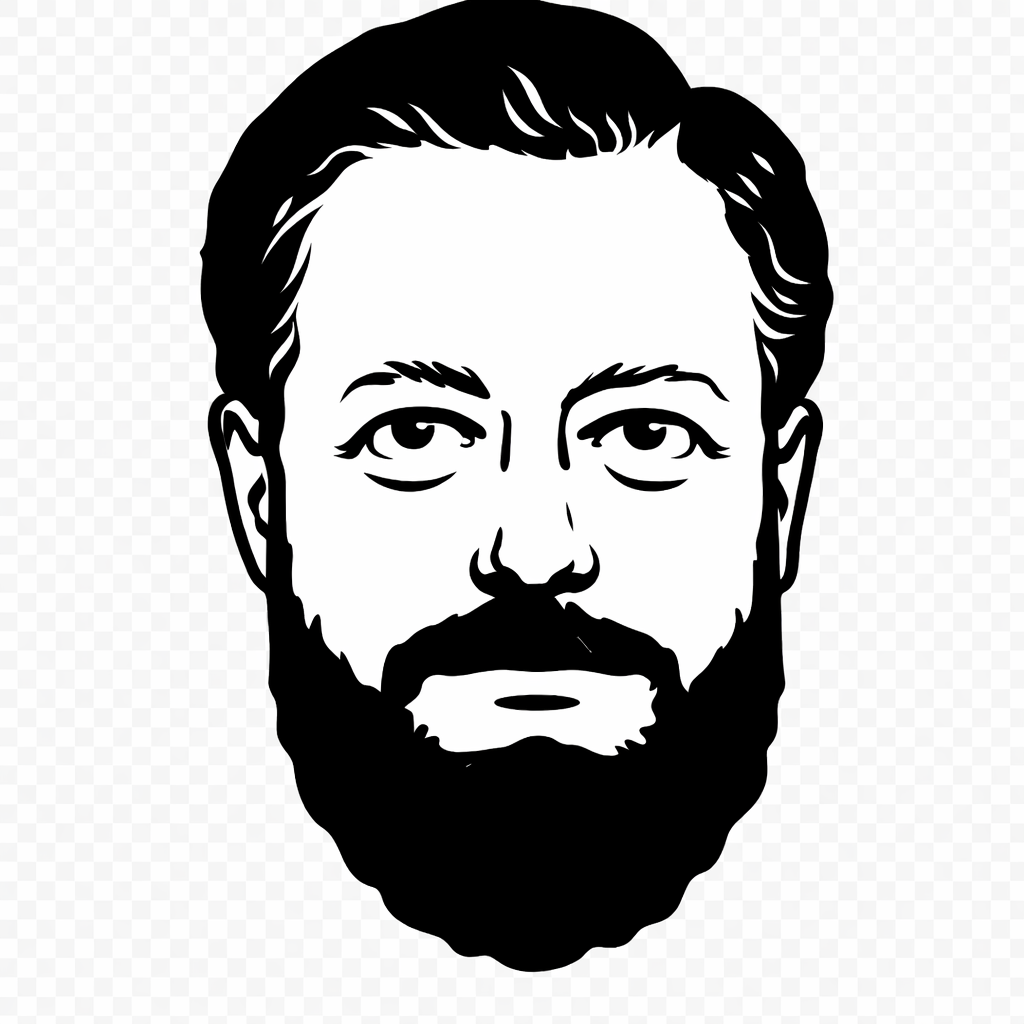
The background
- Nationality:
- American
- Period:
- 20th century
The synopsis
Irving William Kristol (January 22, 1920 – September 18, 2009) was an American journalist and writer. As a founder, editor, and contributor to various magazines, he played an influential role in the intellectual and political culture of the latter half of the twentieth century. He was dubbed the "godfather of neoconservatism." After his death, he was described by *The Daily Telegraph* as being "perhaps the most consequential public intellectual of the latter half of the century." He is the father of political writer Bill Kristol. Kristol was born in Brooklyn, New York City, to non-observant Jewish immigrants from Eastern Europe. He graduated from Boys High School in Brooklyn and received his B.A. from the City College of New York in 1940, where he majored in history. In college, he was a member of the Young People's Socialist League and part of a group of Trotskyist anti-Soviets who became known as the New York Intellectuals. During World War II, he served in Europe in the 12th Armored Division as a combat infantryman. Kristol was affiliated with the Congress for Cultural Freedom and wrote for various publications including *Commentary*, *Encounter*, and *The Reporter*. He served as executive vice-president of Basic Books and was a professor at New York University. He co-founded *The Public Interest* and founded *The National Interest*. After the CIA funding of the Congress for Cultural Freedom was revealed, he became affiliated with the American Enterprise Institute. Kristol received the Presidential Medal of Freedom in 2002. His ideas, particularly those related to neoconservatism, emphasized a strong anti-communist foreign policy and a belief in ordered liberty, often described as "a liberal who has been mugged by reality."
The works
On the Democratic Idea in America
Two Cheers for Capitalism
Reflections of a Neo-conservative
Neo-conservatism: The Autobiography of an Idea
The Neo-conservative Persuasion: Selected Essays, 1942–2009
On Jews and Judaism: Selected Essays
The quotes
Democracy does not guarantee equality of conditions - it only guarantees equality of opportunity.
People need religion. It's a vehicle for a moral tradition. A crucial role. Nothing can take its place.
You have to know one big thing and stick with it. The leaders who had one very big idea and one very big commitment. This permitted them to create something. Those are the ones who leave a legacy.