The Philosopher
Hsiung Shih-li
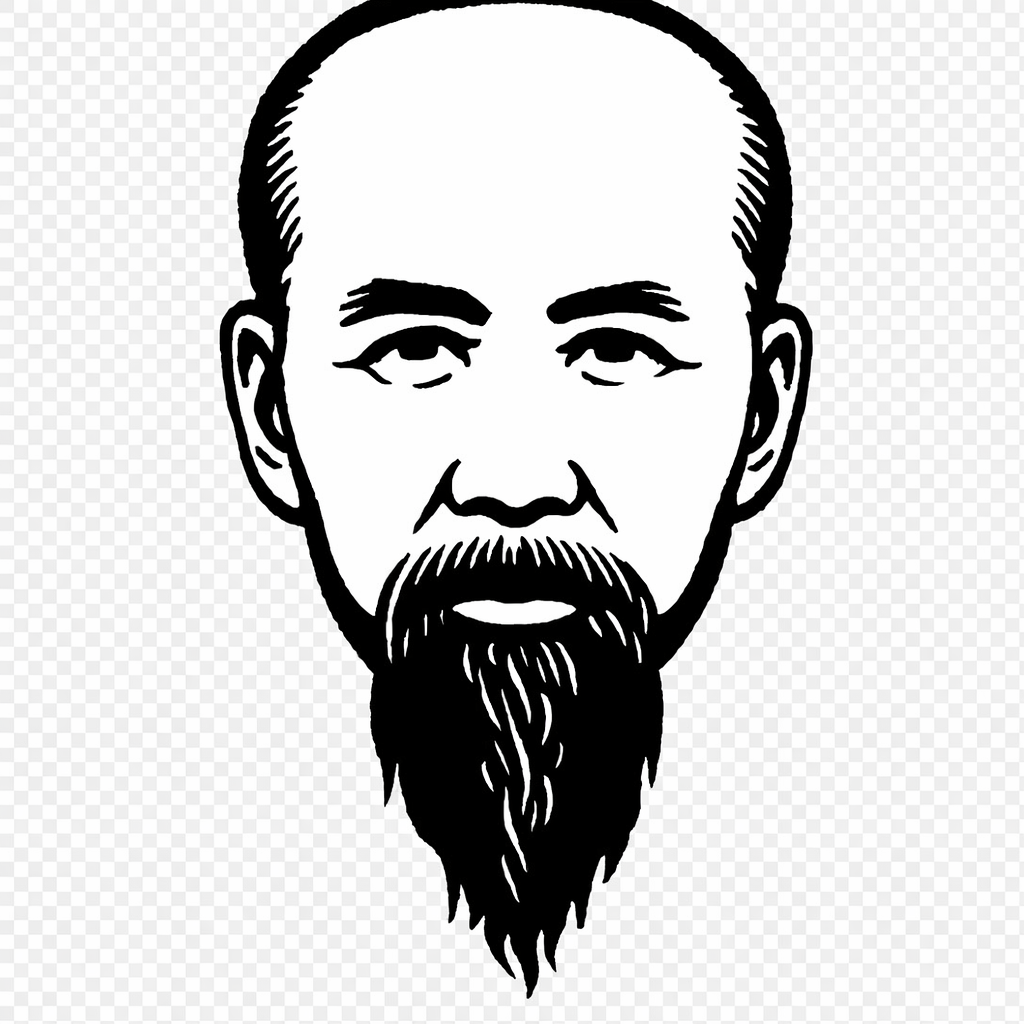
The face
The background
- Nationality:
- Chinese
- Schools:
- New Confucianism, Confucianism, Buddhism, Yogācāra
- Period:
- 20th-century philosophy
The synopsis
Xiong Shili (1885–1968) was a Chinese essayist and philosopher whose major work, *A New Treatise on Vijñaptimātra*, offered a Confucian critique of Buddhist consciousness-only theory. Widely regarded as a key figure in the 20th-century revival of Confucianism, Xiong called for a renewal of the Confucian dao to guide China through its post-May Fourth Movement challenges. He believed national survival depended on a strong sense of community rooted in trusted commitments, emphasizing that the conflict with the West was not just military or economic but also a clash of values. Though he began his academic career later in life, his ideas continue to influence scholars. Born into poverty in Huanggang, Hubei, Xiong's father was a village teacher. After his father's death, he worked as a cowherd. In his twenties, he was involved in revolutionary activities against the Qing dynasty. Disillusioned with political corruption, he turned to Buddhism in 1920, studying at the China Institute for Inner Learning. His work, *A New Treatise on Consciousness-only*, published in 1932, critiqued traditional Yogacara masters while using Buddhist insights to reconstruct Confucianism, drawing heavily on the *Book of Changes*. Xiong saw his mission as helping China overcome its cultural crisis and find truth, particularly by revitalizing Confucianism to counter Western influence. He published a colloquial Chinese version of his *New Treatise* in 1944 and later works like *On Original Reality and Function* (1958–59). After the founding of the People's Republic of China, he continued to teach at Peking University, attempting to reconcile Confucianism with socialist ideology. He was persecuted during the Cultural Revolution and died in 1968.
The works
A New Treatise on Consciousness-only
A New Treatise on Vijñaptimātra
A Refutation of the Refutation of the New Treatise on Consciousness-only
Origins of Confucianism
Essay on Substance and Function
Essential Sayings of Shili
First Continuation of the Essential Sayings of Shili
Essentials for Reading the Classics
A Comprehensive Explanation of Buddhist Terms
On Change
Conservative Buddhist Clandestine Opposition to Xuan Zang During the Tang Dynasty