The Philosopher
Hermann von Keyserling
The face
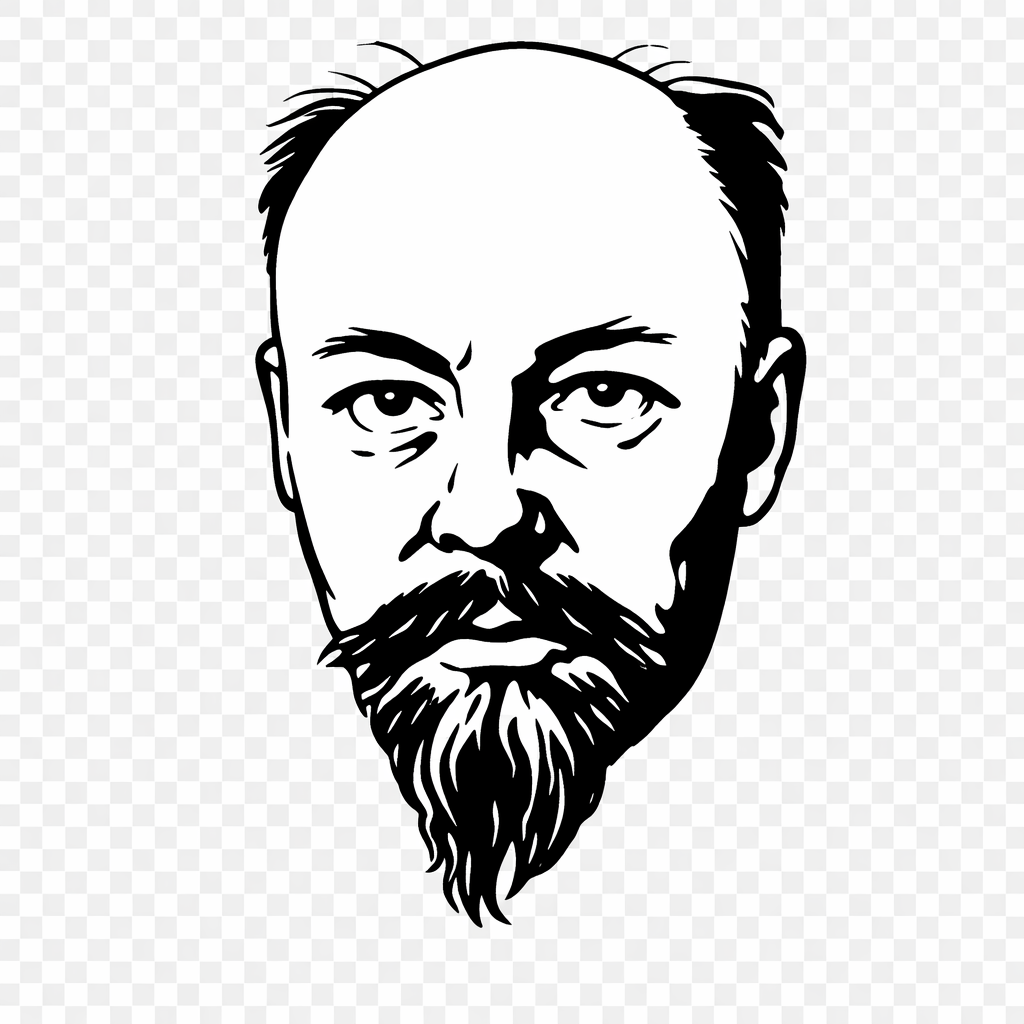
The background
- Nationality:
- Baltic German
- Schools:
- Society for Free Philosophy
- Branchs:
- Philosophy, Natural science, Geology
- Period:
- 20th-century philosophy
The synopsis
Hermann Alexander Graf von Keyserling was a Baltic German philosopher born in 1880 in the Russian Empire, now Estonia. He hailed from the aristocratic Keyserlingk family, with a grandfather who was a noted geologist. After studying at various universities, he traveled extensively and married the granddaughter of Otto von Bismarck. His son, Arnold von Keyserling, also became a philosopher. Initially interested in natural sciences and geology, Keyserling became a popular essayist before World War I. The Russian Revolution led to the loss of his estate, prompting him to found the Gesellschaft für Freie Philosophie (Society for Free Philosophy) in Darmstadt with the aim of intellectually reorienting Germany. He is known for popularizing the term 'Führerprinzip', suggesting that certain individuals were 'born to rule' based on Social Darwinist ideas. Despite his aristocratic background, Keyserling advocated for international, democratic principles for Germany's future, believing old militarism was obsolete. His most famous work is 'Reisetagebuch eines Philosophen' (Travel Journal of a Philosopher, 1919), which details his global travels. He passed away in Innsbruck, Austria, in 1946.
The works
Reisetagebuch eines Philosophen
Das Buch vom Ursprung
Schöpferische Erkenntnis
Südamerikanische Meditationen
Einführung in die Schule der Weisheit
Philosophie als Kunst
La Révolution mondiale et la responsabilité de l'esprit
Das Buch vom persönlichen Leben
Betrachtungen der Stille und Besinnlichkeit
Reise durch die Zeit (Memoiren)
Das Spektrum Europas
Das Gefüge der Welt: Versuch einer kritischen Philosophie