The Philosopher
Hermann Cohen
The face
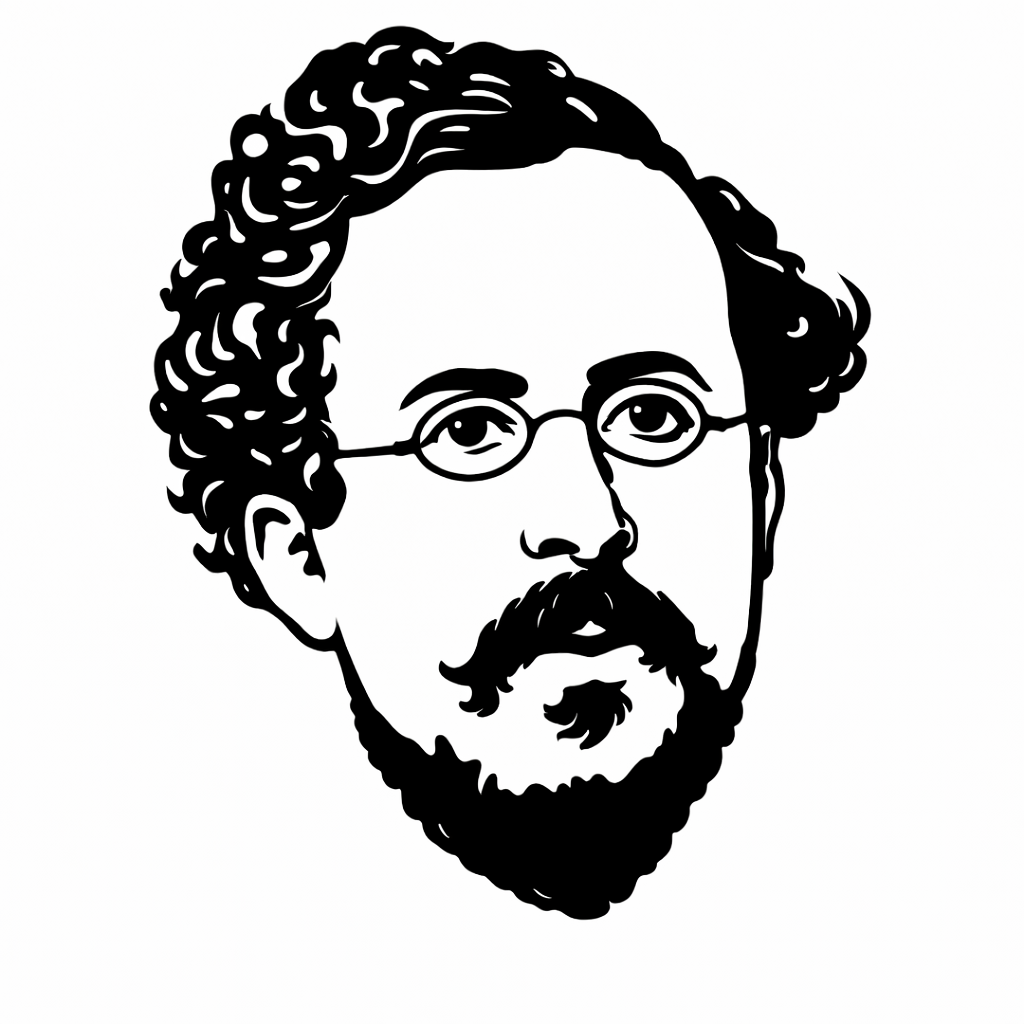
The background
- Nationality:
- German
- Schools:
- Neo-Kantianism, Marburg school
- Branchs:
- Ethics
- Period:
- 19th-century philosophy
The synopsis
Hermann Cohen (1842–1918) was a German philosopher and a key figure in the Marburg school of neo-Kantianism. He is widely regarded as one of the most important Jewish philosophers of the 19th century. Cohen's work centered on a critical reinterpretation of Immanuel Kant's philosophy, aiming to establish a system of critical idealism. He made substantial contributions to epistemology, ethics, aesthetics, and the philosophy of religion. His major systematic works include 'Kant's Theory of Experience', 'Kant's Foundations of Ethics', and 'Kant's Foundations of Aesthetics', followed by his own systematic trilogy: 'Logik der reinen Erkenntnis' (1902), 'Ethik des reinen Willens' (1904), and 'Ästhetik des reinen Gefühls' (1912). Cohen also engaged deeply with Jewish thought and philosophy, seeking to derive a universal ethical and religious system from the sources of Judaism, as exemplified in his posthumously published 'Religion of Reason out of the Sources of Judaism'. Despite his intellectual prominence, he was a critic of Zionism, viewing Judaism's mission as spiritual and moral rather than national. He taught at the University of Marburg and influenced a generation of thinkers.
The works
Die Platonische Ideenlehre Psychologisch Entwickelt
Mythologische Vorstellungen von Gott und Seele
Die dichterische Phantasie und der Mechanismus des Bewusstseins
Jüdische Schriften
Zur Kontroverse zwischen Trendelenburg und Kuno Fischer
Kant's Theorie der Erfahrung
Kant's Begründung der Ethik
Platon's Ideenlehre und die Mathematik
Das Prinzip der Infinitesimalmethode und seine Geschichte: Ein Kapitel zur Grundlegung der Erkenntnisskritik
Religion der Vernunft aus den Quellen des Judentums
Spinoza über Staat und Religion, Judentum und Christentum
Von Kant's Einfluss auf die Deutsche Kultur
Kant's Begründung der Aesthetik
Zur Orientierung in den Losen Blättern aus Kant's Nachlass
Leopold Schmidt