The Philosopher
Henry More
The face
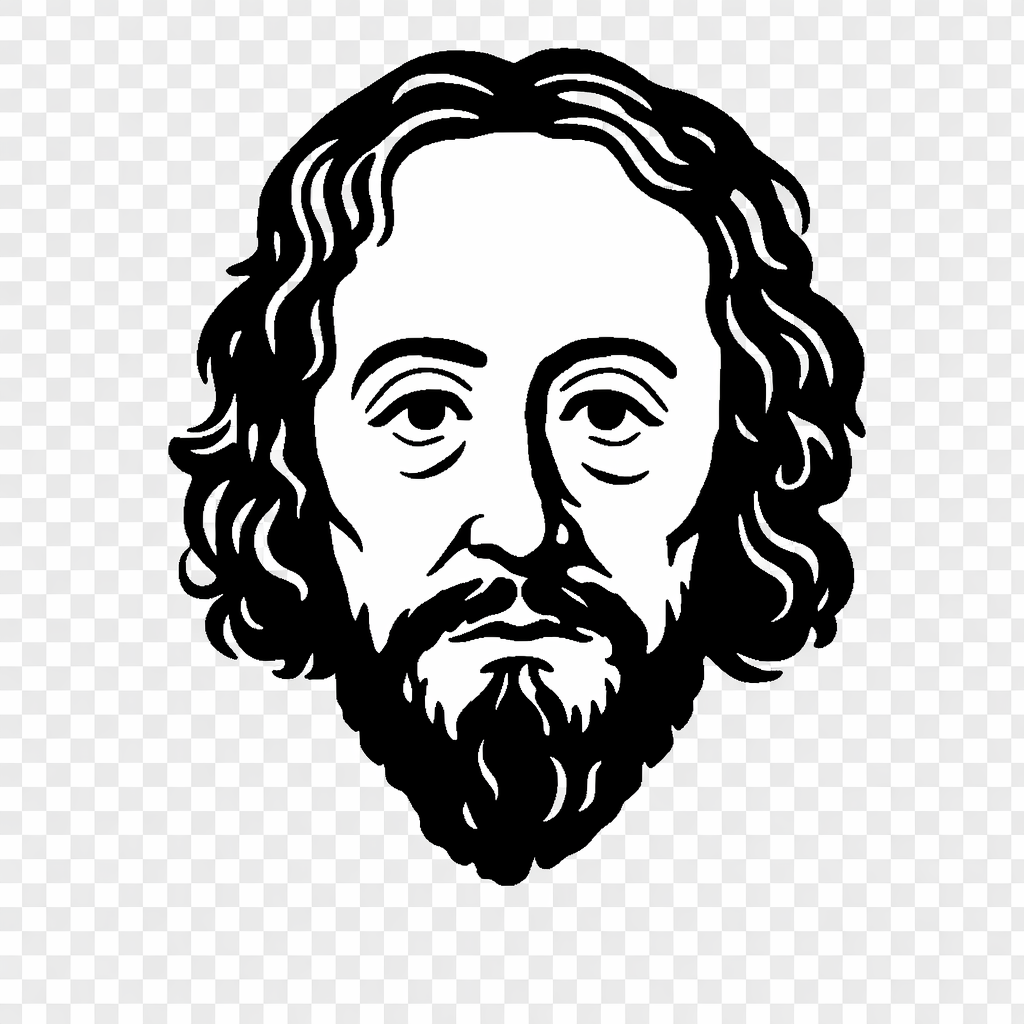
The background
- Nationality:
- English
- Schools:
- Cambridge Platonists
- Branchs:
- Metaphysics, Theology, Ethics, Natural Philosophy
- Period:
- 17th-century philosophy
The synopsis
Henry More (12 October 1614 – 1 September 1687) was an English philosopher, Anglican priest, theologian, and poet, associated with the Cambridge Platonists. He sought to reconcile Platonism with Christian theology and responded critically to Cartesian philosophy. His metaphysical writings addressed the nature of spirit, matter, divine providence, and the soul, and he was a prominent voice in seventeenth-century religious and philosophical debates. More rejected Cartesian dualism, arguing that spirit, like matter, must be extended in space. He coined the term *fourth dimension* and introduced the concept of *essential spissitude* to describe the spatial extension of immaterial substance. He also proposed the existence of a Spirit of Nature—an unconscious, incorporeal agent through which God sustained the order of the physical world. His metaphysics grounded his opposition to materialist atheism and emphasised the necessity of immaterial principles in explaining life and motion. He opposed the Cartesian view that animals were mere machines, asserting instead that they possess immaterial but mortal souls. More regarded animals as part of divine providence and cited their usefulness to humans as evidence of design, while acknowledging the theological difficulty posed by predation and suffering. His writings, in both Latin and English, spanned metaphysics, ethics, natural philosophy, and theology, and included poetry and prose. He influenced figures such as Lady Anne Conway, Joseph Glanvill, and John Norris, and was later cited by Ralph Waldo Emerson and Helena Blavatsky.
The works
Psychodoia Platonica: or, a Platonicall Song of the Soul, consisting of four several Poems
Philosophical Poems
Observations upon Anthroposophic Theomagica and Anima Magica Abscondita
The Second Lash of Alazonomastix
An Antidote against Atheism; or, an Appeal to the Natural Faculties of the Mind of Man, whether there be not a God
Conjectura Cabbalistica ... or a Conjectural Essay of Interpreting the Mind of Moses, according to a Threefold Cabbala: viz. Literal, Philosophical, Mystical, or Divinely Moral
Enthusiasm Triumphatus, or a Discourse of Nature, Causes, Kinds, and Cure of Enthusiasm
The Immortality of the Soul, so far forth as it is demonstrable from the Knowledge of Nature and the Light of Reason
An Explanation of the Grand Mystery of Godliness; or, a True and Faithful Representation of the Everlasting Gospel of our Lord and Saviour Jesus Christ
A Modest Enquiry into the Mystery of Iniquity, with an appended Apology
Enchiridion Ethicum
Divine Dialogues: containing sundry Disquisitions and Instructions concerning the Attributes of God and His Providence in the World
Enchiridion Metaphysicum: sive, de rebus incorporeis succincta et luculenta dissertatio; pars prima
An Exposition of the Seven Epistles to the Seven Churches; Together with a Brief Discourse of Idolatry, with application to the Church of Rome
Opera theologica
Remarks upon two late ingenious Discourses
Opera Philosophica
Henrici Mori Cantabrigiensis Opera Omnia
Apocalypsis Apocalypseos; or, the Revelation of St. John the Divine Unveiled
A Plain and Continued Exposition of the Several Prophecies or Divine Visions of the Prophet Daniel
A Brief Discourse of the Real Presence of the Body and Blood of Christ in the Celebration of the Holy Eucharist
Saducismus Triumphatus
Lux Orientalis
Divine Dialogues
Discourses on Several Texts of Scripture
Letters on Several Subjects
The Theological Works of the Most Pious and Learned Henry More
A Collection of Several Philosophical Writings of Dr. Henry More