The Philosopher
Gustav Teichmuller
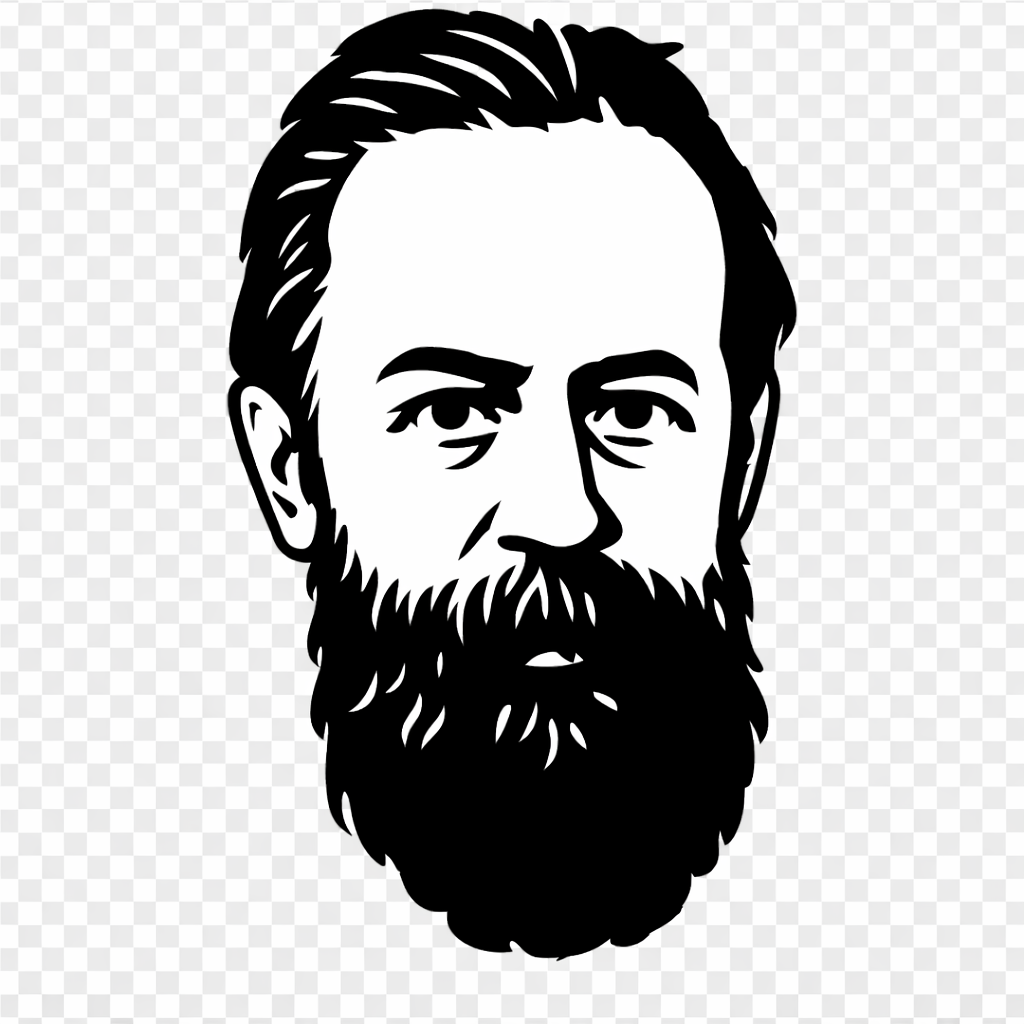
The face
The background
- Nationality:
- German
- Schools:
- German idealism, Russian personalism, neo-Leibnizianism, Christian personalism, Positivism, evolutionism, Platonism
- Branchs:
- Ancient philosophy, Natural science, Classical Philology, aesthetic philosophy, Philosophy of religion, Epistemology
- Period:
- 19th-century philosophy
The synopsis
Gustav Teichmüller (November 19, 1832 – May 22, 1888) was a German philosopher. His works, particularly his notion of perspectivism, influenced Friedrich Nietzsche's philosophy. Teichmüller was born in Braunschweig in the Duchy of Brunswick. He received a classical education and studied philosophy in Berlin and Tübingen. He taught as a professor at the Basel University (since 1868) and the Imperial University of Dorpat (since 1871). He died in Dorpat, Russian Empire (now Tartu, Estonia). After his father's death, Teichmüller worked as a tutor and completed his doctorate in Halle in 1856. He later taught Greek and German, married, and became an adjunct lecturer at the University of Göttingen. His student Rudolf Christoph Eucken became an important protégé. Teichmüller's personalism is described as a version of neo-Leibnizianism and Christian personalism, opposing positivism and evolutionism. His philosophical works cover Aristotle, the history of concepts, and the divide between the real and apparent world.
The works
Aristotelische Einteilung der Verfassungsformen
Aristotelische Forschungen
Contributions to the Poetics of Aristotle
Aristotle's Philosophy of Art
History of the Concept of Parousia
Studien zur Geschichte der Begriffe
Neue Studien zur Geschichte der Begriffe
Die wirkliche und die scheinbare Welt
Die Religionsphilosophie
Die aristotelische Eintheilung der Verwaltungsformen
Darwinismus und Philosophie