The Philosopher
Gustav Radbruch
The face
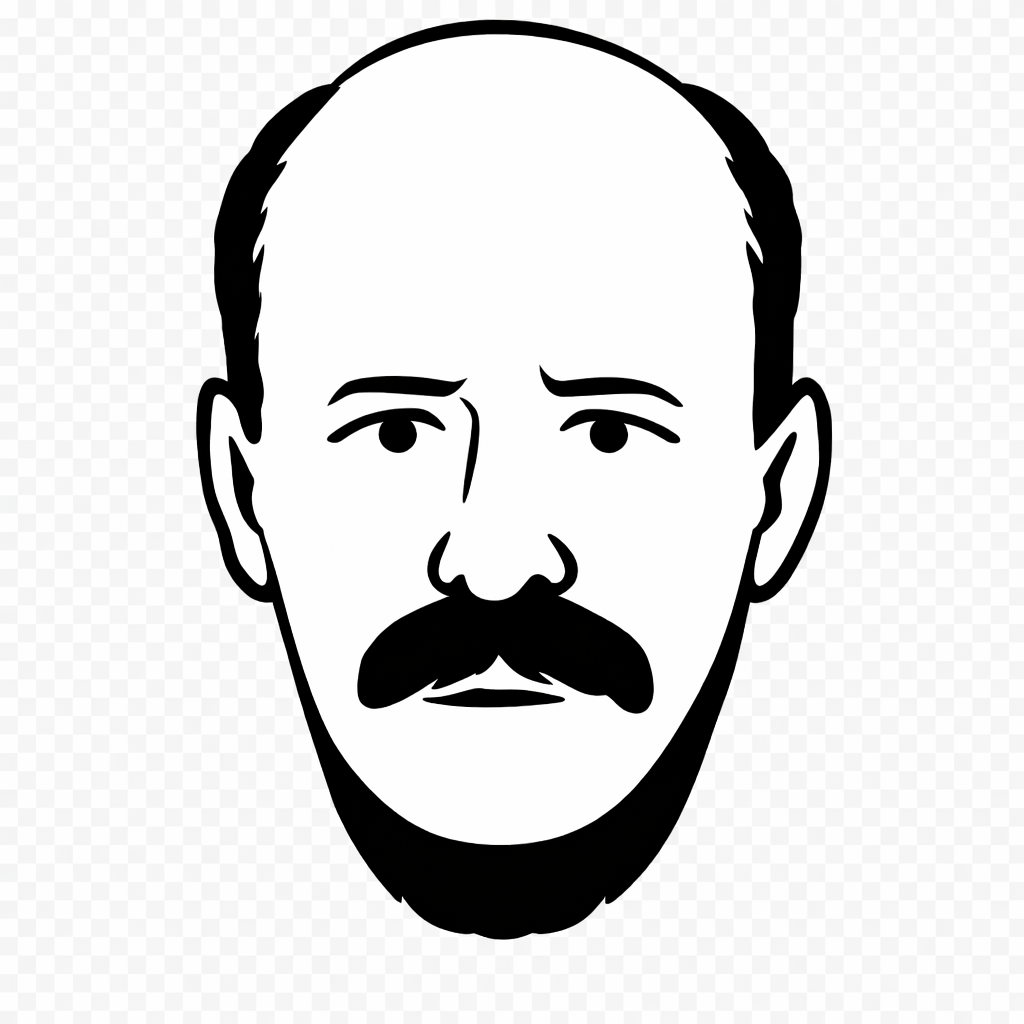
The background
- Nationality:
- German
- Branchs:
- Legal Philosophy, criminal law, Legal sociology, Legal dogma
- Period:
- 20th century
The synopsis
Gustav Radbruch (21 November 1878 – 23 November 1949) was a German legal scholar and politician. He served as Minister of Justice of Germany during the early Weimar period. Radbruch is also regarded as one of the most influential legal philosophers of the 20th century. Born in Lübeck, Radbruch studied law in Munich, Leipzig and Berlin. He passed his first bar exam in Berlin in 1901, and the following year he received his doctorate with a dissertation on "The Theory of Adequate Causation". This was followed in 1903 by his qualification to teach criminal law in Heidelberg. In 1904, he was appointed Professor of criminal and trial law and legal philosophy at Heidelberg. In 1914 he accepted a call to a professorship in Königsberg, and later that year assumed a professorship at Kiel. Radbruch was a member of the Social Democratic Party of Germany, and held a seat in the Reichstag from 1920 to 1924. In 1921–22 and throughout 1923, he was minister of justice. In 1926, Radbruch accepted a renewed call to lecture at Heidelberg. After the Nazi seizure of power in January 1933, Radbruch was dismissed from his university post. Despite the employment ban in Nazi Germany, during 1935/36 he was able to spend a year in England. Immediately after the end of the Second World War in 1945, he resumed his teaching activities, but died in Heidelberg in 1949. In September 1945, Radbruch published a short paper "Fünf Minuten Rechtsphilosophie" (Five Minutes of Legal Philosophy), which was influential in shaping the jurisprudence of values.
The works
The Theory of Adequate Causation
Der Geist des englischen Rechts
Fünf Minuten Rechtsphilosophie
Rechtsphilosophie