The Philosopher
Giovan Battista Gelli
The face
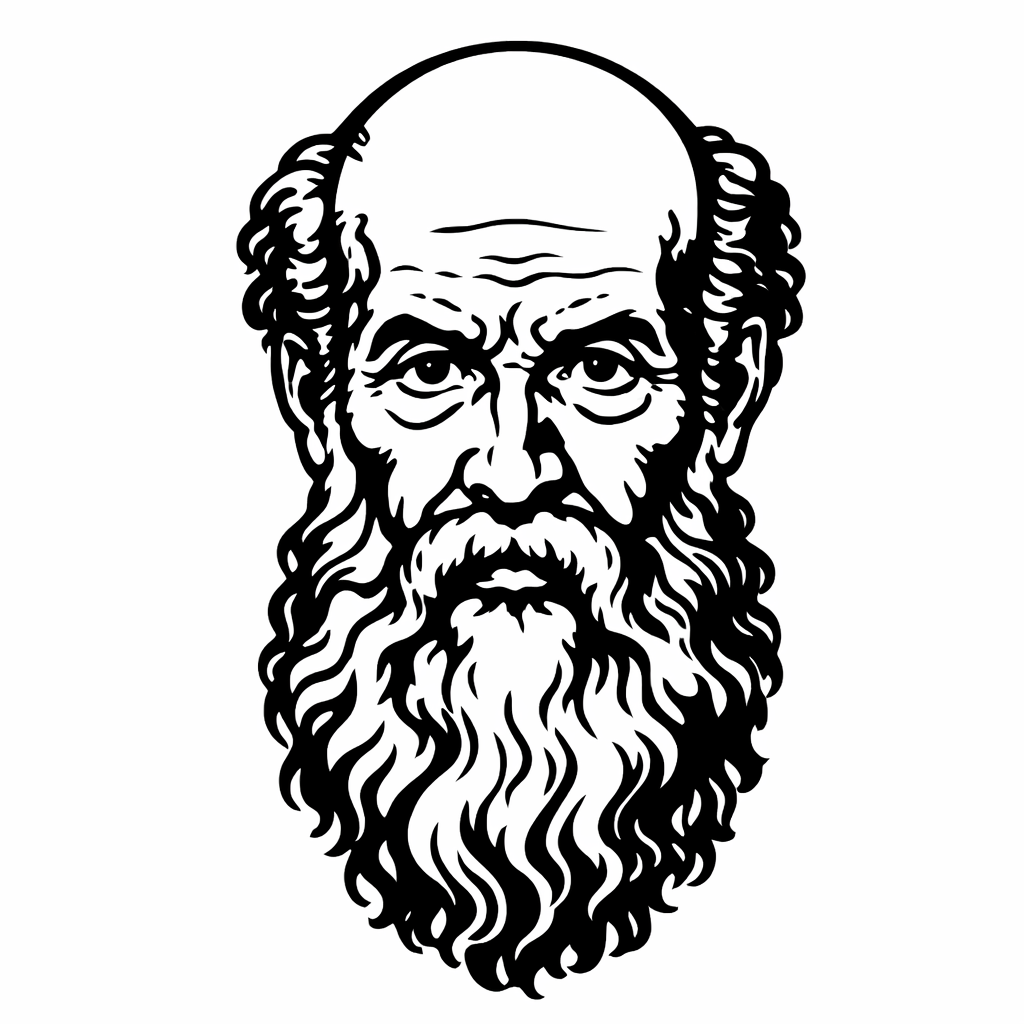
The background
- Nationality:
- Florentine
- Schools:
- Renaissance humanism
- Branchs:
- Ethics, Ancient history, Literature, Philosophy
- Period:
- Renaissance
The synopsis
Giambattista Gelli (12 August 1498 – 24 July 1563) was a Florentine man of letters from an artisan background. Gelli was a shoemaker and used to publish dialogues. He is known for his works of the 1540s, Capricci del bottaio and La Circe, which are ethical and philosophical dialogues. Other works were the plays La sporta (1543) and L'errore (1556). He became a member of the Accademia Fiorentina on 25 December 1540. In his historical writings, Gelli was influenced by the late 15th-century forgeries of Annio da Viterbo, which purported to provide evidence from ancient texts to show that Tuscany had been founded by Noah and his descendants after the Deluge. Gelli was born of humble parents at Florence in 1498, and was brought up a tailor. As a youth, he studied literature and philosophy, and attended some of the celebrated humanist seances in the Orti Oricellari. According to Jacques Auguste de Thou Gelli did not understand Latin, but this must be a mistake, as he translated, from Latin into Italian, “The Life of Alphonsus duke of Ferrara,” by Paolo Giovio, and a treatise of Simone Porzio, “De Coloribus Oculorum”. His knowledge of Greek, however, was probably limited, as he translated the “Hecuba” of Euripides into Italian, from the Latin version. He excelled, however, in his native tongue, and acquired the highest reputation by the works he published in it. He was acquainted with all the learned men of Florence; and his merit was universally known. He was made a member of the Accademia Fiorentina and the city conferred him Florentine citizenship. Yet he continued to work as shoemaker and tailor until the end of his life. He died in Florence on 24 July 1563.
The works
L'apparato et feste nelle nozze dello Illustrissimo Signor Duca di Firenze et della Duchessa sua Consorte
Egloga per il felicissimo giorno 9 di gennaio nel quale lo Eccellentissimo Signor Cosimo fu fatto Duca di Firenze
La sporta
Dell'origine di Firenze
I capricci di Giusto bottaio
La Circe
Ragionamento sopra la difficultà di mettere in regole la nostra lingua
Lo errore
Polifila
Dell’origine di Firenze