The Philosopher
George Holmes Howison
The face
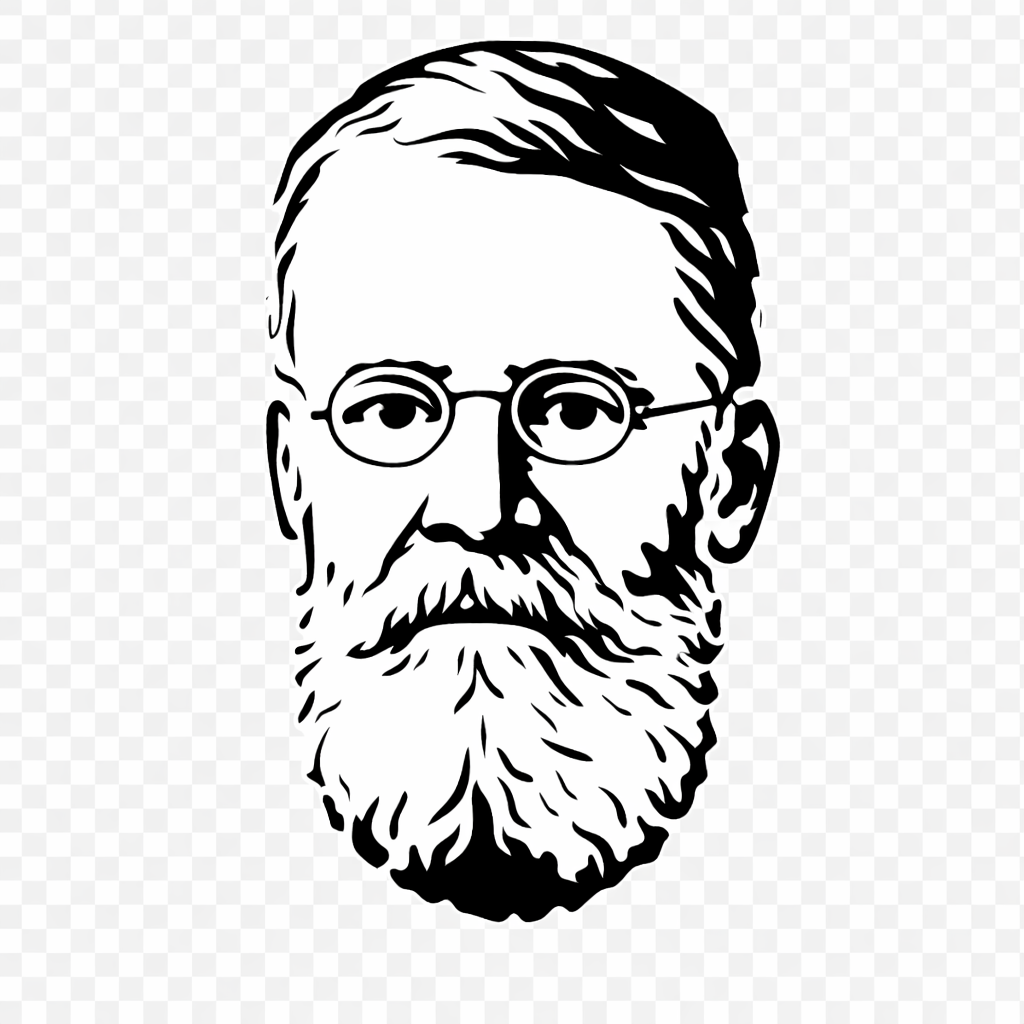
The background
- Nationality:
- American
- Schools:
- California personalism, Personal idealism, Pluralism (philosophy), Kantian thinking, Hegelianism
- Branchs:
- Philosophy of science, Logic, Metaphysics, Theology, Political economy, Astronomy, Mechanics, Analytic Geometry
- Period:
- 20th-century philosophy
The synopsis
George Holmes Howison (29 November 1834 – 31 December 1916) was an American philosopher who established the philosophy department at the University of California, Berkeley, where he held the position of Mills Professor of Intellectual and Moral Philosophy and Civil Polity. He also founded the Philosophical Union, one of the oldest philosophical organizations in the United States. Howison's philosophy is primarily set forth in his volume *The Limits of Evolution, and other essays, illustrating the metaphysical theory of personal idealism* (1901). He was born in Montgomery County, Maryland, and died in Berkeley, California. His parents were Robert and Eliza Howison. After moving to Marietta, Ohio, he received a classical education and later studied at Lane Seminary. He worked as a schoolteacher and principal before becoming a professor at Washington University in St. Louis. His association with the St. Louis Hegelians turned his interest to philosophy. He later taught at the Massachusetts Institute of Technology and lectured at Harvard Divinity School and the Concord School of Philosophy. In 1882, he studied at the University of Berlin. In 1890, he accepted a position at the University of California, Berkeley, where he developed the philosophy program and attracted many students. Howison became known for his personal idealism and philosophical pluralism, though he did not publish prolifically due to his perfectionism. He was a popular and controversial speaker, known for his intellectual rigor and personal charity.
The works
The Limits of Evolution, and other essays, illustrating the metaphysical theory of personal idealism
Analytic geometry
Algebra primer
The Conception of God: A Philosophical Discussion Concerning the Nature of the Divine Idea as a Demonstrable Reality