The Philosopher
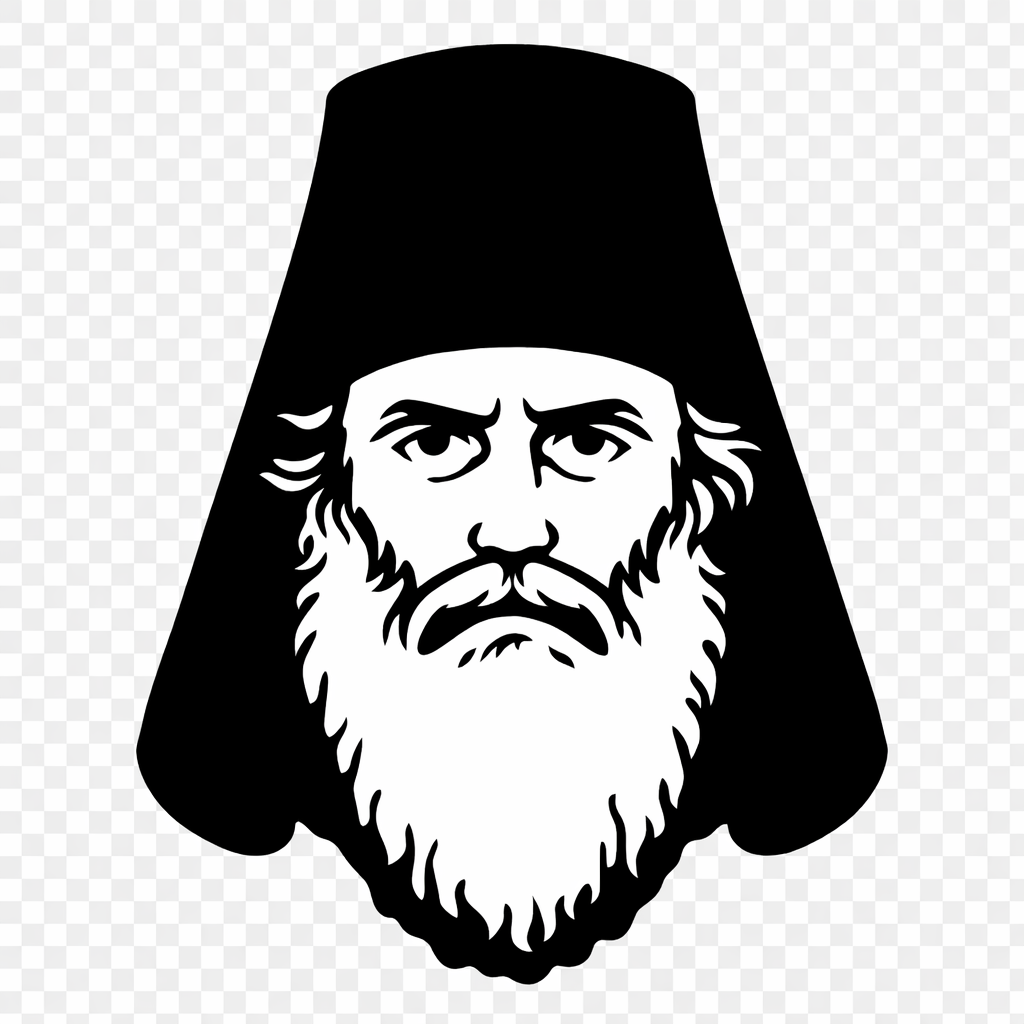
Gennadius Scholarius
The face
The background
- Nationality:
- Byzantine Greek
- Schools:
- Thomistic metaphysics, Scotism, Neoplatonism
- Branchs:
- Aristotelianism, Theology, Philosophy
- Period:
- 15th century
The synopsis
Gennadius II of Constantinople (c. 1400–c. 1472), born Georgios Kourtesios Scholarios, was a Byzantine Greek philosopher and theologian. He was a staunch advocate for Aristotelian philosophy within the Orthodox Church. Gennadius II participated in the Council of Florence (1438–1439), initially supporting the union between the Orthodox and Catholic Churches, but later becoming a prominent opponent of it, influenced by his mentor Mark of Ephesus. Following the Fall of Constantinople in 1453, he was appointed the first Ecumenical Patriarch of Constantinople under Ottoman rule by Sultan Mehmed II. His opposition to union with Rome was a factor in his selection by the Sultan, who sought to maintain the division between the Eastern and Western churches. Gennadius II served as Patriarch from 1454 to 1456, and again in 1463 and from 1464 to 1465. He was a prolific writer, producing numerous treatises on theological and philosophical topics, including defenses of Aristotelianism and critiques of Catholic doctrine. He also wrote on the differences between Eastern Orthodox and Catholic theology, such as the Filioque controversy. His major work, the "Confession" (*Ekthesis tes pisteos ton orthodoxon christianon*), was addressed to Mehmed II. Gennadius II's appointment as Patriarch established the role of the Greek Patriarch as the head of the Rum Millet, granting him both religious and civil authority over the Orthodox Christian population within the Ottoman Empire. He spent his final years as a monk, continuing his writings until his death around 1472.
The works
Speeches at the Council of Florence
Confession (Ekthesis tes pisteos ton orthodoxon christianon)
Defence of Aristotle (antilepseis hyper Aristotelous)
Treatises on the Holy Spirit
Treatise against the insertion of the Filioque in the Creed
Books and letter about Purgatory
Panegyric of Mark of Ephesus
Dialogue with two Turks about the divinity of Christ
About our God, one in three, against Atheists and Polytheists
About the Foreknowledge and Providence of God
Treatise on the manhood of Christ