The Philosopher
Francis Fukuyama
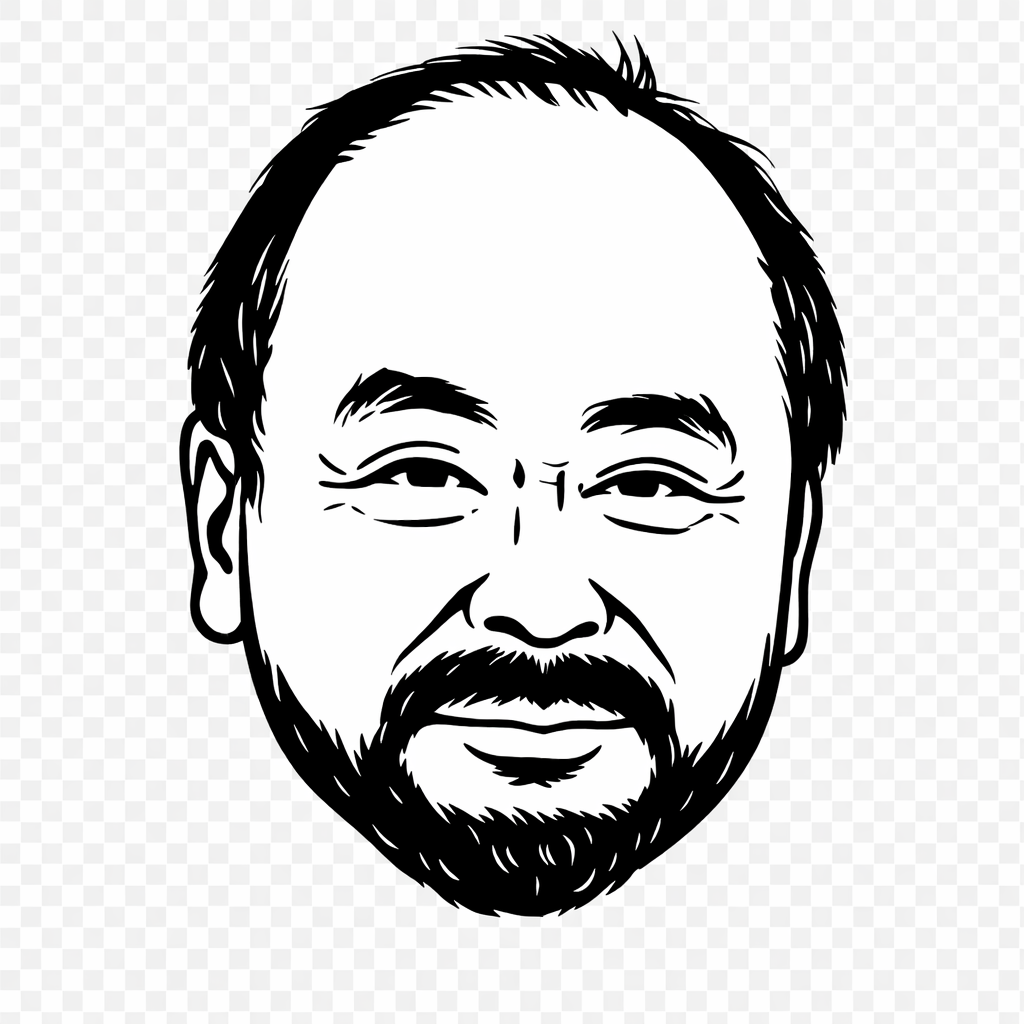
The face
The background
- Nationality:
- American
- Schools:
- Neoconservatism, Wilsonianism
- Branchs:
- Developing nations, Governance, International political economy, Nation-building and democratization, Strategic and security issues
- Period:
- 20th-century philosophy
The synopsis
Francis Yoshihiro Fukuyama is an American political scientist, political economist, and international relations scholar. He is best known for his book *The End of History and the Last Man* (1992), which controversially argued that the worldwide spread of liberal democracies and Western free-market capitalism may represent the final step in humanity's sociocultural evolution and political struggle and the final form of human government. Fukuyama has been a senior fellow at the Freeman Spogli Institute for International Studies since July 2010 and the Mosbacher Director of the Center on Democracy, Development and the Rule of Law at Stanford University. Previously, he served as a professor and director of the International Development program at the School of Advanced International Studies of Johns Hopkins University. Additionally, he had also been the Omer L. and Nancy Hirst Professor of Public Policy at the School of Public Policy at George Mason University. Moreover, he serves as a council member of the International Forum for Democratic Studies, founded by the National Endowment for Democracy and was a member of the Political Science Department of the RAND Corporation. He is also one of the 25 leading figures on the Information and Democracy Commission launched by Reporters Without Borders.
The works
"The End of History?"
The End of History and the Last Man
Trust: The Social Virtues and the Creation of Prosperity
The Great Disruption: Human Nature and the Reconstitution of Social Order
Our Posthuman Future: Consequences of the Biotechnology Revolution
State-Building: Governance and World Order in the 21st century
America at the Crossroads: Democracy, Power, and the Neoconservative Legacy
Falling Behind: Explaining the Development Gap Between Latin America and the United States
The Origins of Political Order: From Prehuman Times to the French Revolution
Political Order and Political Decay: From the Industrial Revolution to the Present Day
Identity: The Demand for Dignity and the Politics of Resentment
Liberalism and Its Discontents
The quotes
I've figured out in the course of my life that the one thing I'm good at doing is writing books, and it would be crazy to trade that in for something else.
I'm basically an optimist because I do think there's this historical modernisation process, and by and large it's been very beneficial to people. But there are blips. History doesn't proceed in a linear way.
In general, Americans are not very good at nation-building and not very good colonialists.
The rationale for tenure is still valid. But the system has turned the academy into one of the most conservative and costly institutions in the country. Yes, conservative: Economists joke that their discipline advances one funeral at a time, but many fields must wait for wholesale generational turnover before new approaches take hold.
I've always had a Marxist understanding of history: democracy is a result of a broad modernization process that happens in every country. Neocons think the use of political power can force the pace of change, but ultimately it depends on societies doing it themselves.
I'm a tenured professor. But I'd get rid of tenure.