The Philosopher
Debendranath Tagore
The face
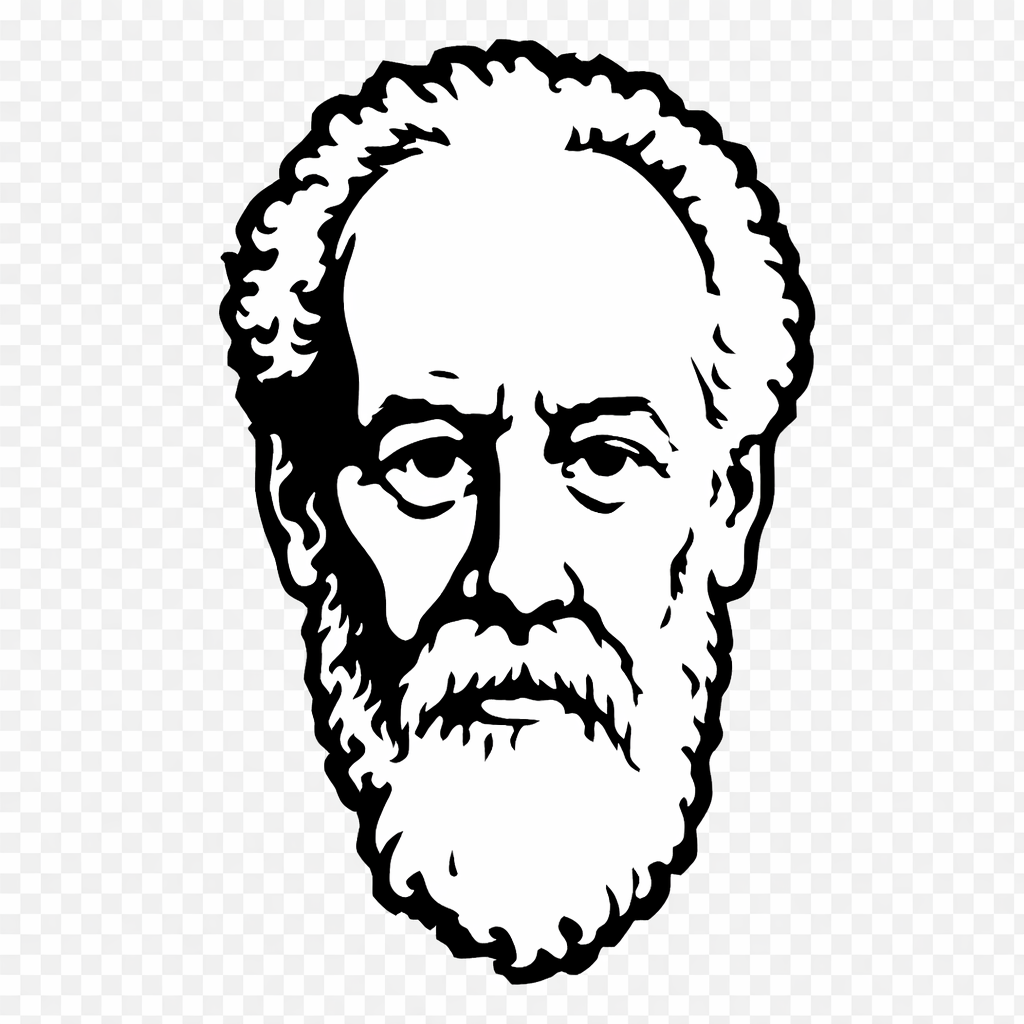
The background
- Nationality:
- Indian
- Schools:
- Brahmo Samaj
- Branchs:
- Religious reform
- Period:
- 19th century
The synopsis
Debendranath Tagore (15 May 1817 – 19 January 1905) was an Indian philosopher and religious reformer, active in the Brahmo Samaj. He joined the Brahmo Samaj in 1842 and founded the Brahmo religion in 1848, which is now synonymous with Brahmoism. Born in Shilaidaha, his father was the industrialist Dwarakanath Tagore. Many of his 14 children, including Nobel Prize-winning poet Rabindranath Tagore, made significant artistic or literary contributions. Debendranath studied at home and later at the Anglo Hindu College. After his grandfather's death in 1838, he became deeply interested in religion and philosophy, leading to the establishment of the Tattwabodhini Sabha. He took charge of the Tattwabodhini Sabha and the Brahmo Samaj in 1842. He published translations of Upanishads and Rig Veda, and established the Brahma Vidyalaya in 1859. In 1867, he purchased land in Birbhum and founded an ashram, which is now Santiniketan. Debendranath was also involved in politics, serving as secretary for the British Indian Association. He advocated for social reforms such as widow remarriage and opposed child marriage and polygamy. In 1867, he received the titles 'Protector of National Religion' and 'Maharshi'.
The works
Brahmo Dharma
Brahma Dharmo Grantho
Atmattvavidya
Brahma Dharmer Mot O Biswas
Kalikata Bramha Samajer Baktrita
Gyan O Dharmer Unnati
Porolo O Mukti