The Philosopher
David Easton
The face
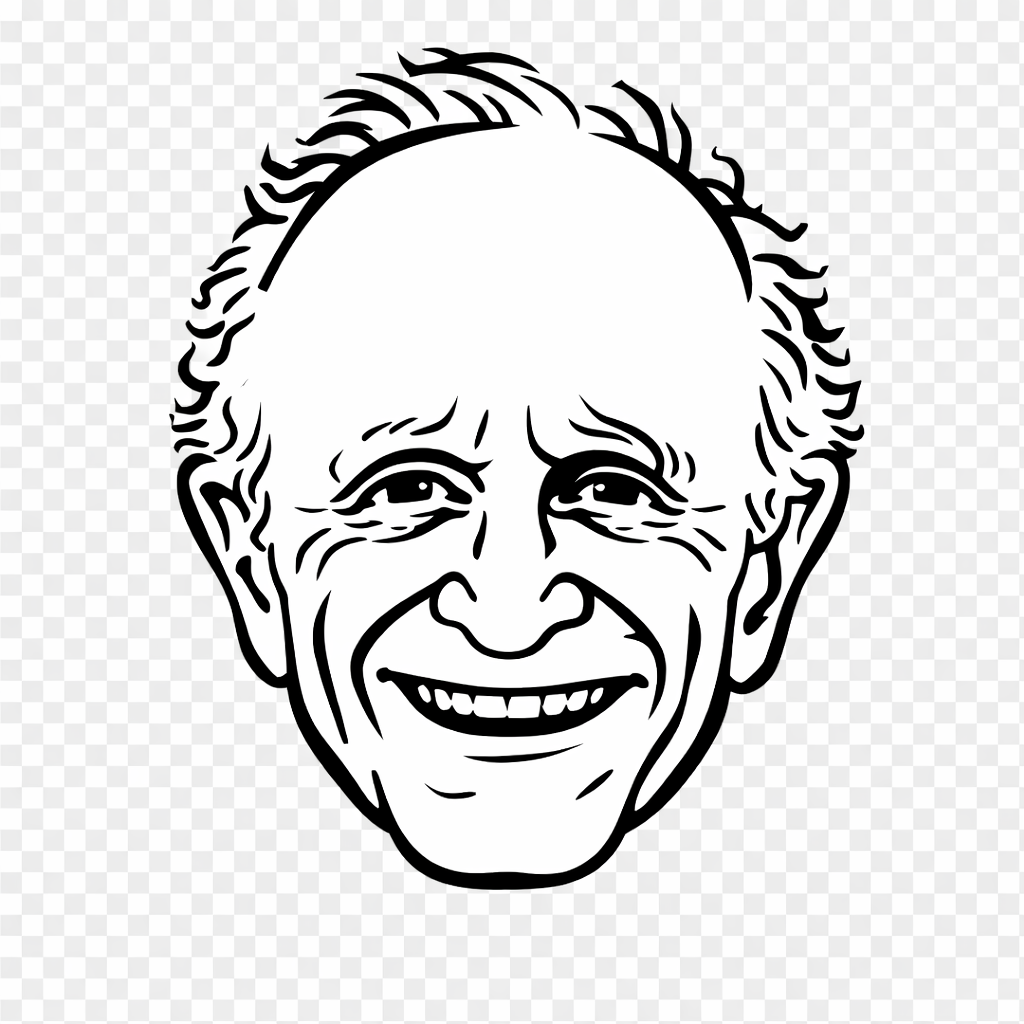
The background
- Nationality:
- Canadian-born American
- Schools:
- Behavioralist, Post-behavioralism
- Branchs:
- political systems theory, Systems theory
- Period:
- null
The synopsis
David Easton (June 24, 1917 – July 19, 2014) was a Canadian-born American political scientist who significantly shaped the discipline. He is renowned for his application of systems theory to political science and for providing a widely used definition of politics as the "authoritative allocation of values for a society." Easton was a key figure in both the behavioral and post-behavioral movements within political science, particularly during the 1950s and 1970s. His work established the concept of the "system" as a crucial theoretical tool for analyzing political phenomena. Policy analysts have benefited from his five-stage model of the policy-making process: input, conversion, output, feedback, and environment. Easton held a professorship at the University of Chicago from 1947 to 1997 and later became a Distinguished Research Professor at the University of California, Irvine. He also served as president of the American Political Science Association.
The works
The Decline of Modern Political Theory
The Political System. An Inquiry into the State of Political Science
An Approach to the Analysis of Political Systems
A Framework for Political Analysis
A Systems Analysis of Political Life
Varieties of Political Theory
Children in the Political System - Origins of Political Legitimacy
The Analysis of Political Structure
Divided Knowledge: Across Disciplines, Across Cultures
The Development of Political Science: A Comparative Survey
Regime and Discipline: Democracy and the Development of Political Science