The Philosopher
Corliss Lamont
The face
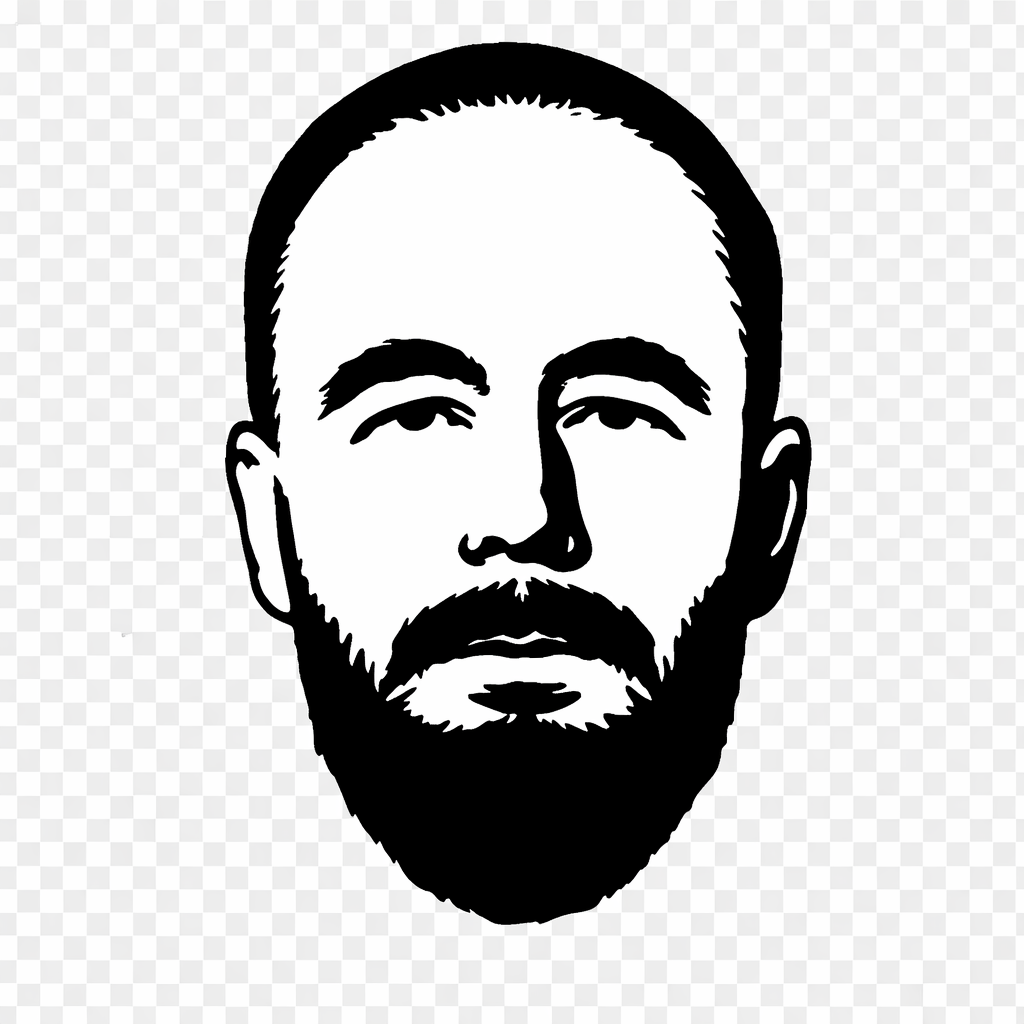
The background
- Nationality:
- American
- Schools:
- Marxism
- Branchs:
- Socialism, Humanism, Civil Liberties
- Period:
- 20th century
The synopsis
The works
The Illusion of Immortality
The Philosophy of Humanism
The Peoples of the Soviet Union
Soviet Civilization
Freedom Is As Freedom Does: Civil Liberties in America
Lover's Credo: Poems of Love
Voice in the Wilderness: Collected Essays of Fifty Years
A Lifetime of Dissent
Remembering John Masefield
Yes to Life: Memoirs of Corliss Lamont
You Might Like Socialism: A Way of Life for Modern Man
The Trial of Elizabeth Gurley Flynn by the American Civil Liberties Union
Letters of John Masefield to Florence Lamont
Dialogue on John Dewey
Dialogue on George Santayana
Studies on India and Vietnam
The Thomas Lamonts in America
Albert Rhys Williams, September 28, 1883 - February 27, 1962: In Memoriam
Collected Poems of John Reed
"Dear Corliss": Letters from Eminent Persons
Man Answers Death: An Anthology of Poetry
Russia Day by Day: A Travel Diary
Basic Pamphlets series
Other pamphlets
The quotes
True freedom is the capacity for acting according to one's true character, to be altogether one's self, to be self-determined and not subject to outside coercion.
The dynamic, creative present, however conditioned and restricted by the effects of prior presents, possesses genuine initiative.
The cause-effect sequences in our brains are just as determining, just as inescapable, as anywhere else in Nature.
The act of willing this or that, of choosing among various courses of conduct, is central in the realm of ethics.
I believe firmly that in making ethical decisions, man has the prerogative of true freedom of choice.
Human beings and their actions constitute the advancing front, the surging crest of an ongoing movement that never stops.
Most men, I am convinced, have an unmistakable feeling at the final moment of significant choice that they are making a free decision, that they can really decide which one of two or more roads to follow.
The intuition of free will gives us the truth.
Intuition does not in itself amount to knowledge, yet cannot be disregarded by philosophers and psychologists.