The Philosopher
Appiano Buonafede
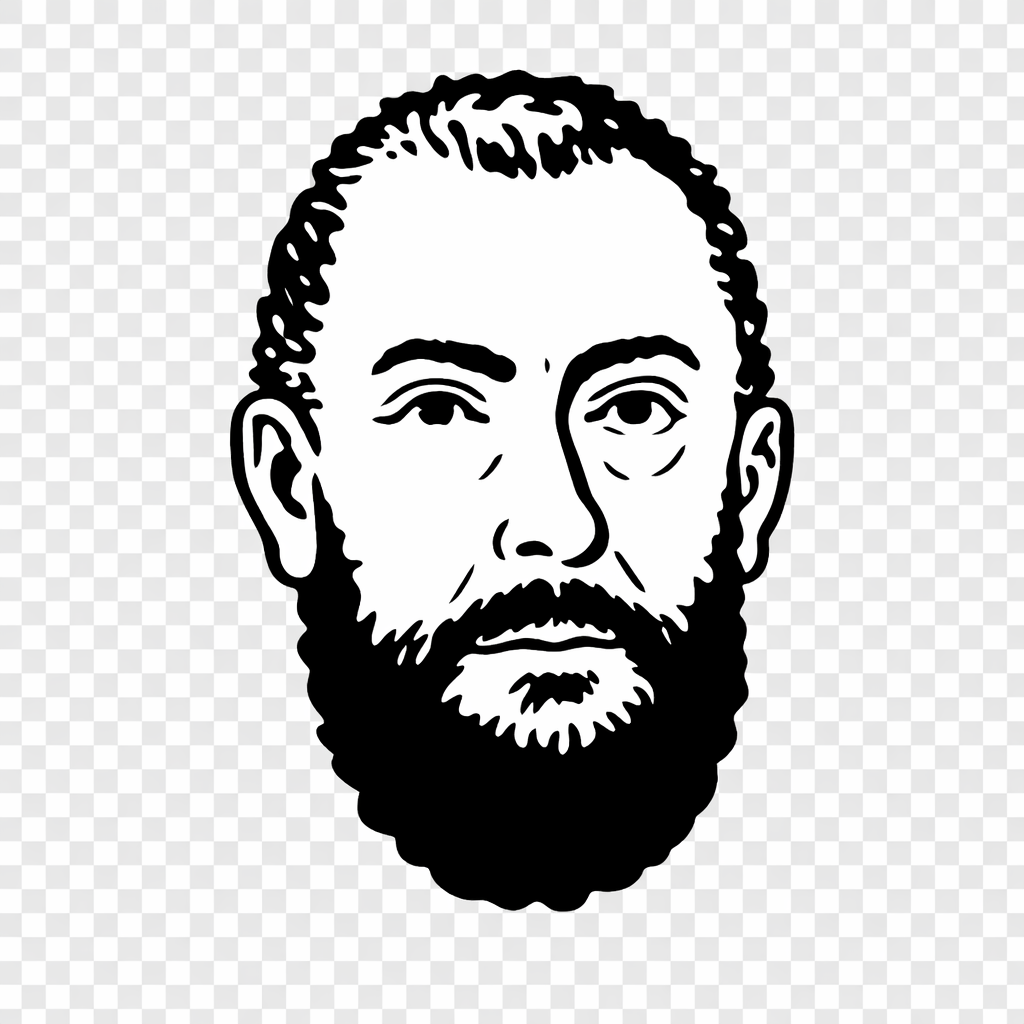
The face
The background
- Nationality:
- Italian
- Schools:
- Catholic philosophy
- Period:
- 18th-century
The synopsis
Appiano Buonafede (1716–1793) was an Italian priest and philosopher who published under the pseudonym Agatopisto Cromaziano. Born in Comacchio, he was orphaned by his father at a young age. He joined the Celestines in 1734, changing his secular name from Tito Benvenuto to Appiano. He studied philosophy in Bologna and theology in Rome. From 1737, he pursued theological studies in Rome. After completing his studies, he was appointed as a preacher and theology teacher in Naples. In Naples, he published 'Poetic, Historical and Critical Portraits' in 1745, a work that received a positive reception in Neapolitan cultural circles. This book featured critical analyses of prominent modern thinkers like Niccolò Machiavelli and Baruch Spinoza, while also offering partial acceptance of figures such as René Descartes and John Locke, reflecting a style that blended Baroque and Arcadian elements. In 1749, he served as the abbot of a monastery in Apulia, later holding similar positions in Bergamo and Rimini. In 1754, Buonafede became a member of the Pontifical Academy of Arcadia, adopting the name Agatopisto Cromaziano, under which he published numerous works. His reputation and the favorable reception of his writings by church hierarchies led to his appointment as procurator general of the congregation in 1771, relocating him to Rome. Six years later, he became prefect general and was required to reside at the Abbey of the Holy Spirit at Monte Morrone, near Sulmona. This period of isolation did not suit him well, despite the respect he had garnered in Rome from Pope Clement XIV and literary circles. After his term as prefect, he resumed the role of procurator general in 1780 before resigning in 1782. In 1785, Pope Pius VI appointed him perpetual abbot of St. Eusebius, a position that provided him with financial stability and allowed him to focus on his literary and philosophical pursuits. During this time, he completed his work 'Of the Restoration of All Philosophy', which critically examined modern thought that sought independence from the Catholic Church. Buonafede died in Rome in 1793 at the age of seventy-seven, suffering from gout and exacerbated by a fall.
The works
Saggio di commedie filosofiche con ampie annotazioni di A. Agatopisto Cromaziano
Istoria critica e filosofica del suicidio ragionato di Agatopisto Cromaziano
Delle conquiste celebri esaminate col naturale diritto delle genti
Della istoria e della indole di ogni filosofia di Agatopisto Cromaziano
Il genio borbonico, versi epici di Agatopisto Cromaziano nelle nozze auguste delle altezze reali di Ferdinando di Borbone... e di Maria Amalia...
Della restaurazione di ogni filosofia ne' secoli, XVI., XVII., XVIII.
Epistole tusculane di un solitario ad un uomo di città
Storia critica del moderno diritto di natura e delle genti
Poetic, Historical and Critical Portraits